Home Blog Page 90

Govt. building forensic capacity to process evidence locally – Walrond

0


…500 police officers to be trained in evidence processing

(Kaieteur News) – The Government of Guyana is building the capacity of the country’s forensic laboratory to process evidence locally, including ballistics and toxicology samples that are currently sent overseas for analysis, Minister of Home Affairs Oneidge Walrond has disclosed.

Speaking on a recent episode of the Starting Point Podcast, Walrond said strengthening local forensic capabilities would reduce the need to send samples abroad, a process she noted could be problematic. “…our samples don’t have to be sent abroad, which can be problematic. So, to be able to do that processing right here, whether it’s ballistics and toxicology reports and have them. So, we’re building up the capacity of our lab to be able to do that,” the Minister said.

Govt. building forensic capacity to process evidence locally – Walrond

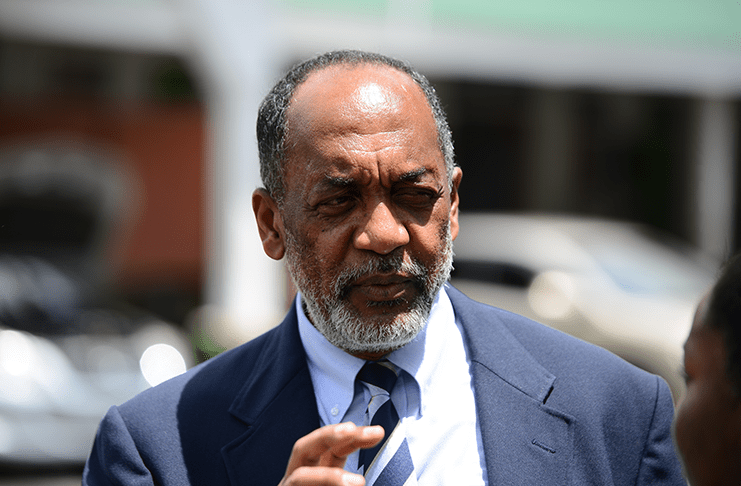
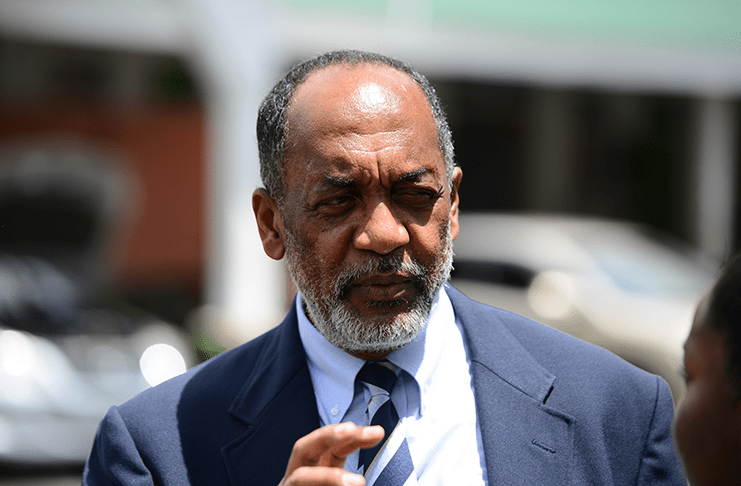
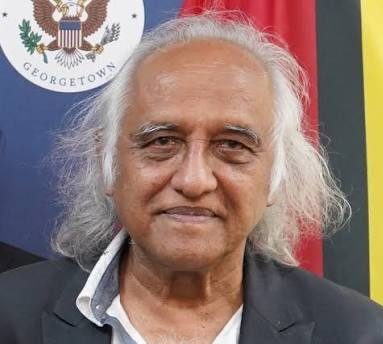
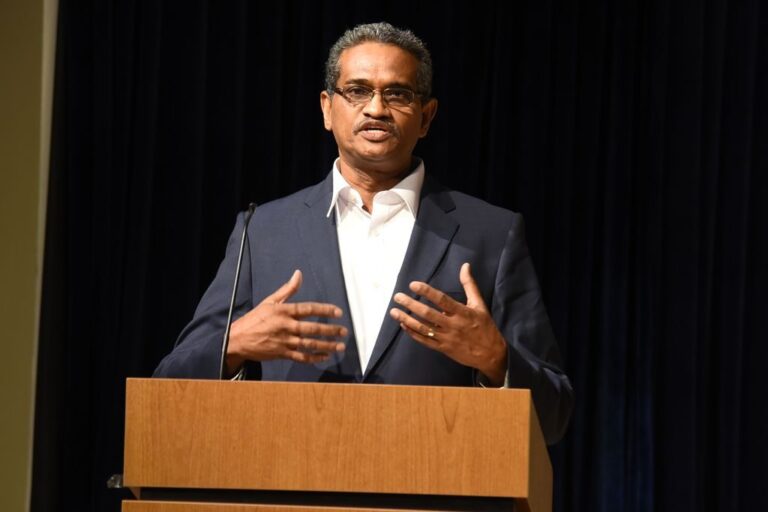
Minister of Home Affairs, Oneidge Walrond

Walrond also disclosed that significant financial resources are being spent on training 500 police officers in evidence processing, with the aim of strengthening the handling and preservation of evidence through the conclusion of trials.

The Guyana Forensic Science Laboratory (GFSL), which carries a reported price tag of $1 billion, was commissioned in July 2014. It was established under the Citizens’ Security Programme (CSP), an initiative undertaken by the Government in collaboration with the Inter-American Development Bank (IDB).

In September 2025, the Kaieteur News reported that the GFSL, in collaboration with the Government Analyst–Food and Drug Department (GA-FDD) and the Institute of Applied Science and Technology (IAST), had officially opened a three-day inter-laboratory training programme on Atomic Absorption Spectroscopy (AAS).

The training, held at the IAST boardroom at the University of Guyana’s Turkeyen Campus, was designed to strengthen technical capacity among laboratories in Guyana that currently use, or are preparing to adopt, Atomic Absorption systems.

According to a Ministry of Home Affairs press release, participating institutions included the GFSL, GA-FDD, IAST, Guyana Geology and Mines Commission (GGMC), University of Guyana, Hydrometeorological Service, Pesticides and Toxic Chemicals Control Board, National Agricultural Research and Extension Institute, Guyana Sugar Corporation, IMEX, Rice Development Board, Guyana Power and Light, and Demerara Distillers Limited.

The initiative was described as the first of its kind in Guyana, bringing together government and private-sector laboratories. The training was offered at no cost to participating institutions as part of efforts to improve scientific expertise and support sustainable development.

More recently, in February 2026, the United States Embassy in Guyana announced that forensic laboratory professionals from the GFSL had participated in an intensive technical exchange at the U.S. Drug Enforcement Administration’s (DEA) Southeast Laboratory in Miami from February 9 to 13.

The programme was hosted by the U.S. Department of State’s Bureau of International Narcotics and Law Enforcement Affairs (INL) and the DEA, with the aim of strengthening cooperation between the United States and Guyana in synthetic drug detection and reporting.

The Guyanese team joined forensic laboratory directors, chemists and quality assurance managers from the Saint Lucia Forensic Science Laboratory, the Jamaica Institute of Forensic Science and Legal Medicine, and the Royal Bahamas Police Force Forensic Laboratory.

The training combined theoretical instruction with practical exercises in Gas Chromatography–Mass Spectrometry (GC-MS). Participants also observed DEA laboratory personnel processing a 200-kilogram bulk seizure of suspected cocaine, giving them practical insight into advanced forensic techniques.

According to the embassy, the collaboration supports the U.S. Department of State’s implementation of Executive Order 14367, which designates fentanyl as a weapon of mass destruction. The initiative seeks to address gaps in regional capabilities by strengthening the detection of synthetic narcotics and fentanyl, as well as safe handling, evidence preservation and reporting in Guyana and across the Caribbean.


Source: Kaieteur News

‘Govt. breached environmental law with Wales gas project’ — Former EPA Head

0


…says EIA procedures were not followed; insists study must be done

(Kaieteur News) – The Government of Guyana has breached environmental law by proceeding with the Wales Gas-to-Energy (GTE) project without an Environmental Impact Assessment (EIA), former Environmental Protection Agency (EPA) Executive Director Dr. Vincent Adams has charged.

While construction continues on Phase One, which includes a Natural Gas Liquids (NGL) facility and a 300-megawatt (MW) power plant, plans for a second phase are being advanced without adherence to the country’s Environmental Protection Act.

In an interview with Kaieteur News, Dr. Adams described the decision to proceed without an EIA as reckless, given the project’s scale and potential consequences for public safety and the environment.

“When you’re doing these types of projects, especially high hazards, high consequences, these major projects … and for neither us to not do a feasibility study nor an EIA is absolutely reckless,” the former EPA head said.

Dr. Adams argued that the Government frequently emphasises the sanctity of contracts but has failed to honour provisions in the same agreement that require a feasibility study for the use of natural gas. He said such a study would also examine environmental implications, costs, challenges and alternative options.

‘Govt. breached environmental law with Wales gas project’ — Former EPA Head

Former Executive Director of the Environmental Protection Agency, Dr. Vincent Adams

He further contended that proper assessments could have saved millions of dollars, pointing to the dispute between the Government and the project contractor over soil conditions.

The petroleum and environmental engineer also criticised what he described as poor planning for other major developments, including the new Demerara River crossing. He recalled that the EPA initially indicated that an EIA was required for that project before reversing its position. He also pointed to plans for uranium mining without adequate environmental studies.

Turning to Wales, Dr. Adams stressed that no EIA was conducted for the NGL facility and gas-fired power plant. ExxonMobil, through its consultant, completed an EIA for the pipeline component of the GTE project, but that study indicated that a separate assessment would be undertaken for the NGL facility and power plant.

He warned that the handling of natural gas presents significant risks because of its explosive properties and the potential consequences for human life and the environment.

Dr. Adams cited the Bhopal disaster in India in the 1980s, when a toxic gas leak killed thousands of people, as a reminder of the potentially devastating consequences of industrial accidents.

IMPORTANCE OF EIAS

Emphasising the importance of an EIA, Dr. Adams described the study as the “bible” for protecting health, safety and the environment.

He explained that an EIA identifies hazards associated with a project during construction, operation and decommissioning, while outlining measures to prevent or mitigate risks and examining alternative approaches.

“It identifies every single hazard before, during and after that project and then the EIA identifies how you will mitigate and prevent them, alternative actions,” he explained.

Dr. Adams insisted that an EIA for the Wales NGL facility and power plant is essential, particularly as the Government advances Phase Two of the project, which is expected to include an additional power plant and NGL facility.

“There is no question about it. This is normal. This here you wouldn’t even need a lot of thought to see that you need an EIA. Just by the magnitude of the project,” he said.

He noted that the project involves high temperatures, high pressures, low temperatures and explosive gases, all of which could create conditions for a serious accident.

Beyond identifying hazards, he said, the assessment should establish appropriate emergency-response arrangements in the event of an explosion or chemical incident.

According to Dr. Adams, different chemicals require different response methods, meaning emergency personnel must receive specialised training and have access to the appropriate equipment. He also questioned where emergency teams would be stationed and whether adequate arrangements had been made to manage traffic and evacuations in the event of a major incident.

BREACH OF ENVIRONMENTAL PROTECTION ACT

Dr. Adams said the Environmental Protection Act requires developers to submit an application to the EPA before proceeding with projects that may significantly affect the environment. The agency must then assess the proposed development to determine whether an EIA is required.

He accused the EPA of failing to follow that process in the case of the Wales project.

According to the former agency head, the EPA should analyse the potential hazards and determine whether a full EIA is necessary. If the agency concludes that the risks do not warrant an EIA, it may instead require an Environmental Management Plan (EMP).

However, he said the agency must publish its decision and the reasons behind it, allowing members of the public to scrutinise the decision and exercise their right to appeal.

“The EPA is not even doing that anymore,” Dr. Adams charged, adding that no project summary or decision regarding an EIA for the Wales NGL facility and power plant had been published.

“That is the law. If you do not do that, they are violating the law,” he argued.

Dr. Adams said the absence of a publicly available decision concerning both Phase One and the proposed second phase also undermines citizens’ ability to challenge regulatory decisions.

He cited the proposed uranium project as another example of what he described as the EPA’s failure to follow established procedures. He said an EMP was published without giving the public an adequate opportunity to participate, prompting objections from an Indigenous community and a subsequent letter to the agency. The EPA later published its decision on the EIA.

Dr. Adams warned that a similar situation appeared to be unfolding with the GTE project.

“This government has no respect for even their own rule of law. No EIAs seem to be their unwritten rule and policy,” he declared.

He further accused the administration of prioritising financial returns over public welfare, arguing that projects were being advanced too quickly without sufficient consideration of safety and environmental consequences.

“As long as it’s gonna provide money, they want it as much as possible, as fast as possible and they don’t think about anything else,” he said.

Dr. Adams attributed some of the shortcomings to what he described as a lack of technical understanding within the administration, arguing that officials could be swayed by financial projections presented by foreign companies.

He also recalled Vice President Bharrat Jagdeo’s previous description of the GTE project as a “no-brainer” when questioned about the need for a feasibility study.

Dr. Adams countered that conducting the necessary studies should have been the obvious course of action before proceeding with a project of such scale and potential risk.


Source: Kaieteur News

GWI defends water sector investments, says 98.6% of population has access

0


…says five-gallon purified water refills at $100 will provide relief to households

(Kaieteur News) – The Guyana Water Incorporated (GWI) has defended the Government’s investments in the company, stating that approximately 98.6 per cent of the population now has access to potable water, while maintaining that more work is needed to improve the quality and reliability of supplies.

In a statement responding to recent public commentary by Gordon Moseley on the state of the water sector and initiatives to make drinking water more affordable, GWI said assessments that overlook investments and infrastructure developments undertaken over the past several years risk presenting an incomplete picture of the progress being made.

The utility said that over the last five years, investments in water infrastructure, rehabilitation, network expansion and service improvements have been undertaken across all regions to improve access to safe and reliable potable water.

GWI defends water sector investments, says 98.6% of population has access

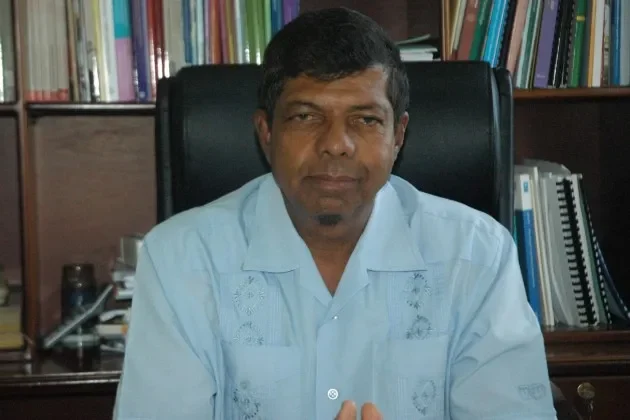
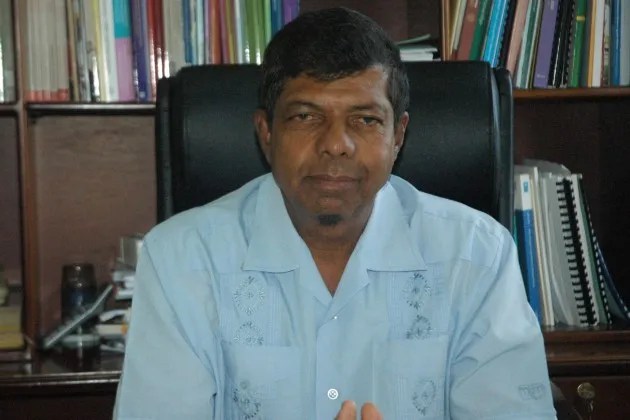
Chief Executive Officer of GWI, Shaik Baksh

It noted that these interventions were intended to meet growing demand arising from the Government’s housing programme, while extending services to previously underserved communities.

According to GWI, more than 200 wells have been drilled over the period, strengthening water production capacity and extending access to communities that previously experienced limited or inadequate supplies.

Additionally, more than 200 kilometres of transmission and distribution pipelines have been installed to improve connectivity, extend services to developing communities and strengthen delivery to historically underserved areas.

The utility also reported a significant increase in treated-water coverage, which has moved from approximately 52 per cent to around 80 per cent over the past five years.

It attributed this progress to investments aimed at moving beyond simply providing water towards ensuring that more households receive treated supplies.

Through the Coastal Water Treatment Infrastructure Programme (CWTIP), GWI said eight new water treatment plants have been constructed across coastal and hinterland areas. More than 13 existing treatment plants have also been rehabilitated and upgraded to improve operational performance and treatment capacity.

GWI said the investments have been particularly significant in the Hinterland, where geographical, logistical and operational challenges have historically affected access to reliable water supplies.

Potable water access in the Hinterland has increased from approximately 46 per cent to 95 per cent as of 2026, the utility reported.

However, GWI acknowledged that challenges remain in some communities, particularly concerns about elevated iron content in water supplied by groundwater wells.

“These concerns are not being dismissed,” the agency said, adding that they form part of the ongoing work to modernise water systems and improve the quality and consistency of services.

The utility said it continues to invest in treatment capacity and supporting infrastructure to address the remaining gaps and advance towards universal treated-water coverage.

Under the second phase of the CWTIP, GWI plans to construct seven additional water treatment plants.

These include two major surface-water treatment facilities at Diamond and Hope.

The Diamond facility is expected to serve 36,000 residents from Craig to Little Diamond, while the Hope facility on the East Coast Demerara corridor is expected to serve 35,000 residents from Cane Grove to Cove and John.

The five other planned plants are at Maria’s Delight, Leguan, Wakenaam, Bath and Adventure.

GWI also said it has completed the installation of 16 small water treatment plants in several rural communities and is working towards rolling out another six.

The smaller systems, it noted, are important for extending treated-water access to communities where large-scale infrastructure may not be the most immediate or practical solution.

The utility said the investments form part of a structured development programme guided by its strategic plans and national development priorities.

It maintained that the programme is intended to strengthen the country’s water infrastructure to accommodate population growth, new housing developments and the needs of communities that have historically experienced limited access.

Refilling stations

GWI also addressed concerns about the introduction and expansion of Government-supported bottle-refilling stations and the possible implications for private water vendors.

The utility described the facilities as a public-service initiative intended to make purified drinking water more affordable and accessible, particularly for low-income families and residents who regularly purchase drinking water.

Under the initiative, five-gallon refills are offered for $100 at the stations, providing residents with what GWI described as an affordable alternative for obtaining purified drinking water.

The agency said the initiative complements the wider national programme to improve access to potable water and reflects the Government’s commitment to ensuring that investments in the sector directly benefit citizens.

GWI maintained that the initiative is consistent with its mandate to provide safe, adequate and affordable water services throughout Guyana.

It said the expansion of the facilities would create additional opportunities for residents to access purified drinking water while complementing ongoing improvements to the country’s water infrastructure.

In its response, GWI said public confidence in the water sector must be supported by measurable progress and a willingness to acknowledge areas requiring improvement.

The agency said it would continue to communicate its achievements, respond to legitimate customer concerns and pursue the investments needed to strengthen water supply systems.

As Guyana continues to develop and demand for reliable and affordable water services increases, GWI said it remains committed to working with the Government, communities and other stakeholders to ensure that infrastructure keeps pace with national development and that no community is left behind.


Source: Kaieteur News

NIS SUED OVER $8,098 MONTHLY PENSION SHORTFALL

0


…Ram, pensioner and three unions seek arrears of $510,300 each

(Kaieteur News) – Attorney-at-law Christopher Ram, a pensioner and three trade unions have filed a High Court application against the National Insurance Board (NIB), seeking to compel the payment of minimum old-age pensions at the rate prescribed by law and recover arrears allegedly owed since 2021.

The application for judicial review was filed on Friday by Ram, pensioner Kalicharan Heera, the Union of Agricultural and Allied Workers, the United Minibus Union and the Guyana Market Vendors Union.

The applicants are asking the court to declare that the minimum National Insurance Scheme (NIS) pension must be no less than 50% of the Public Service minimum wage, as stipulated under Regulation 4(b) of the NIS Benefit Regulations.

NIS SUED OVER $8,098 MONTHLY PENSION SHORTFALL

Attorney-at-Law, Christopher Ram

They are also seeking an order compelling the Board to pay the minimum pension at that rate, account for all outstanding payments since 2021 and settle the arrears with interest, including amounts owed to the estates of deceased pensioners.

According to the applicants, the lawful minimum pension currently stands at $51,173 monthly, but pensioners receiving the minimum benefit are being paid just $43,075, leaving a shortfall of $8,098 each month.

They estimate that individuals who have received the minimum pension throughout the period since 2021 are owed approximately $510,300 each.

Regulation 4(b) states that a pension shall “in no case” be less than 50% of the Public Service minimum wage.

The applicants contend that the NIS broadly observed this requirement until 2020, but failed to adjust the minimum pension in line with annual increases in the Public Service minimum wage from 2021 onwards.

They further argue that the Scheme has repeatedly acknowledged the 50% requirement through its website, annual reports and actuarial reports, making its continued failure to pay the prescribed rate particularly troubling.

The dispute had also reached Parliament in 2024, when Annette Ferguson, MP, tabled a motion, seconded by Juretha Fernandes, MP, calling for retroactive payments to minimum pensioners for the period 2021 to 2023. The motion was disallowed, leaving pensioners without the payments being sought.

In their statement, the applicants also pointed to the role of Finance Minister Dr. Ashni Singh, who has responsibility for the NIS and oversees the Co-operative Finance Administration, which supervises the Board.

They contend that, as the minister responsible for the regulations and the budgets that increased the Public Service minimum wage, Singh should have ensured that the minimum pension was adjusted accordingly.

The application follows a September initiative led by Ram after he said he received repeated complaints from pensioners while in the United States.

On October 1, Ram and the unions wrote the National Insurance Board demanding compliance with the statutory minimum pension and payment of arrears, giving the Board until October 9 to respond before court proceedings were initiated.

Ram had indicated that he did not expect a satisfactory response, citing his experience with the Scheme in disputed-benefit matters.

The applicants are now seeking the court’s intervention to resolve the dispute, arguing that the law establishes a clear minimum payment that cannot simply be disregarded.

They have also indicated that the Board and the Attorney General, the Government’s chief legal adviser, will be served with the proceedings.

The applicants further rely on section 34(2) of the National Insurance and Social Security Act, which provides for Parliament to make up any shortfall in the National Insurance Fund. They argue that if the Scheme cannot meet its legal obligations, the Government must make up the difference.

In their statement, the applicants urged the Board to assist the court in resolving the matter quickly and in the interests of the pensioners it serves.

The applicants are represented by attorneys-at-law Khemraj Ramjattan and Christopher Ram.


Source: Kaieteur News

We all living like jailbird

0


(Kaieteur News) – While everybody asking where de man who get put pon remand deh, dem seem to fuhget that most of de nation living like jailbird, even though we never see inside a prison. Every man, woman and child deh pon remand inside dem own house. When yuh leff home, yuh does lock de gate, padlock de garage, and double-bolt de door like yuh hiding from bandits or vampires. De whole country turn security guard.

De fence gat razor wire, and barbed wire. Dem CCTV cameras blinking red light like Christmas tree bulbs. Alarm system in every corner, motion sensor pon every wall, and still, people sleeping with one eye open and one hand pon de cell phone. Is like we waiting fuh somebody come break in before we even close we eyes.

And when night come, we does lock we self in so tight, not even fresh breeze could pass through. Some people living in air-condition coffin. Imagine if fire ketch, half ah dem can’t even get out. Dem does burn before dem could even find de key. Remember that famous Indian dancer who used to live in Kitty? Poor lady get roast alive because she couldn’t open de grill. De same grill she put up to protect she, end up killing she.

We all talking bout freedom, but we living like caged parrot. Yuh can’t even walk down de road without watching over yuh shoulder. De same crime we trying to stop got we trapping we self. We build we own prison and call it “home sweet home.”

And when yuh go to de market and see price climb like skyscraper, remember is crime causing dat too. Every businessman does add a “bandit fee.” Supermarket gat to pay for camera, alarm, and guard. Dem taxi driver gat to tint dem car and still trembling when night fall. De farmer plant, another man reap. So, he raise he price too—he seh he got to charge fuh de thiefman tax.

So, when yuh see dem big iron grill pon yuh window, don’t laugh at de prisoners downtown. You just living in a fancier cell. De only difference is dem get three meals, and we got to pay VAT pon we own food. Dem boys seh, we ain’t free no more. We jail up we self to feel safe, but we ain’t safe, and we ain’t free.

Talk half. Leff half.


Source: Kaieteur News

Nine non-oil sectors record declines as crude oil earns US$15B – Bank of Guyana Report

0


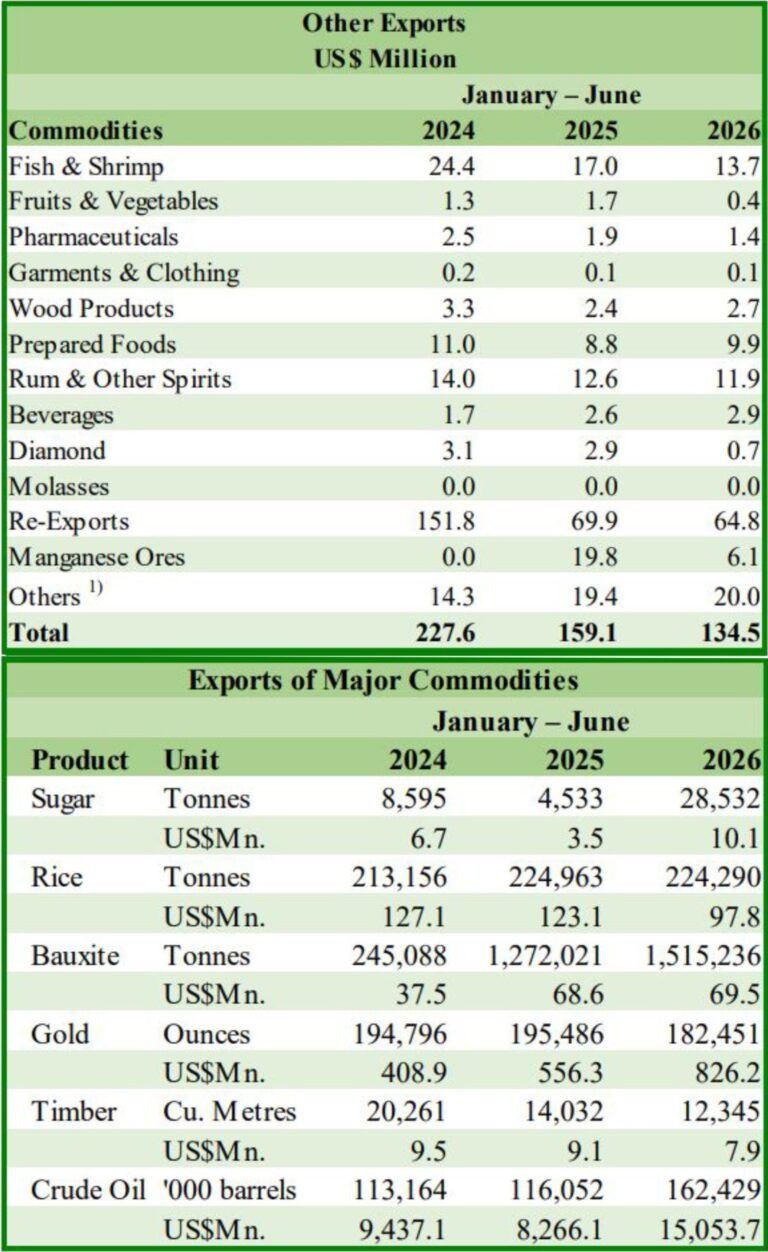
(Kaieteur News) – Guyana exported US$15 billion in crude oil during the first half of 2026, while earnings from non-oil exports totalled just US$1.146 billion, highlighting the vast disparity between the country’s oil revenues and its traditional export sectors, according to the Bank of Guyana (BoG).

According to the report, bauxite export earnings amounted to US$69.5 million; gold exports were US$826.2 million; timber US$7.9 million; sugar exports US$10.1 million; rice US$97.8 million and ‘other exports’ which account for fish and shrimp, beverages, garments etcetera were US$134.5M.

The country’s overall non-oil exports were valued at US$1.146 billion. Of the 18 non-oil sectors, a majority of the subsectors recorded lower earnings. Nine subsectors recorded lower earnings including rice and timber while higher revenues were received for sugar, bauxite and gold.

A footnote in the report explained, “The non-oil primary balance was estimated at a deficit of 35.7 percent of non-oil GDP at end-June 2026.”

Nine non-oil sectors record declines as crude oil earns US$15B - Bank of Guyana Report

Tables showing the non-oil earnings for exports during the first half of 2026 (Source: Bank of Guyana)

The fall in revenue from these traditional sectors has sparked concern among analysts, who previously warned about failing to invest in these crucial areas to avoid falling prey to the dreaded Dutch disease.

The Dutch disease is defined as an economic phenomenon where the discovery of large natural resource reserves leads to a decline in other sectors.

During this year’s Budget debate in the National Assembly, Shadow Agriculture Minister for the A Partnership for National Unity (APNU) Vinceroy Jordan cautioned that the fiscal plan will fail to reduce poverty and strengthen food security because it lacks vision and meaningful investment in agriculture.

Jordan believes that any government serious about decreasing the cost of living would have ensured that each region enacts a sound plan for the development of sustainable agriculture to increase food production and contribute to reduction of the price of food, ensuring food availability and security.

According to Jordan’s analysis of the budget, $1.9 billion is allocated to livestock, with only $200 million to be invested in capital expenditure which caters for new projects, expansion and other such initiatives. On the other hand, $1.7 billion is directed to operational costs such as salaries and other expenses.

To this end, he questioned the ability of this meagre $200M to transform the livestock industry in Guyana. Jordan questioned, “How many bulls, how many livestock farms, how many pens will they build or improve, what sort of equipment could be purchased with $200 million when you still must pay retentions from last year. This is incompetence not agricultural development.”

He continued, “Where are the plans, where are the programmes that would transform the agriculture sector, put food on our tables, and develop the lives and livelihoods of our people?”

GDP growth

Last month, President Irfaan Ali declared Guyana’s economy “healthy” after the country recorded 33.3% real GDP growth at the half-year mark, with the non-oil economy expanding by 10.1%.

At a press conference at the Office of the President, Georgetown, the Head-of-State revealed that Guyana’s revised full year forecast for real GDP growth is now 20.8% while the country expects a 10.2% growth in the non-oil sector by the end of the year.

At the end of June, the oil and gas sector recorded a 41.3% expansion. The bauxite subsector also grew by 7.3% while gold and mining expanded by 11.3%. The President said he was pleased with this growth in light of measures taken by the government late 2025 to tackle the low gold declarations and improve accountability and transparency.

Other mining, which comprises sand, stone, manganese and diamonds is estimated to have grown by 40% during the period.

At half year, the mining and quarrying sector is estimated to have expanded by 40.7%.

In the meantime, the President reported a “marginal contraction” in the agriculture, forestry, and fishing sector during the first six months of this year.

On the other hand, he said that the sugar industry grew by 19.3% at half year; rice also recorded growth of 4.4%.

The other crops sectors however suffered a decline by 6.4%, due to weather conditions according to the President.

Also recording growth were the forestry sector by estimated 15.4%, and the fishing subsector by 4.1% in the first half of a year.

Ali noted too that the manufacturing sector grew by 3%, services sector an estimated growth by 7.2% and the construction sector by 24.7%.


Source: Kaieteur News

Guyana Lottery relaunches online gaming platform

0


…Players can now access LottoSupa6, Play4, Daily Millions and Lucky3 online

(Kaieteur News) – The Guyana Lottery Company has relaunched its iLottery platform, allowing players to purchase tickets and play its lottery games online.

In a press release dated October 9, 2026, the company said the platform was relaunched on Wednesday, October 7, as part of efforts to improve convenience, accessibility and the overall player experience.

The upgraded platform is intended to meet growing demand for online lottery options, increase player engagement, improve operational efficiency and provide a secure and responsible gaming environment.

Players can access the platform at https://letsbetgy.com/lottery or select the “Play Online” option on the Guyana Lottery Company’s website, www.guyanalottery.com.

Guyana Lottery relaunches online gaming platform

Customers with existing accounts can log in and choose from a range of games, including LottoSupa6, Play4, Daily Millions and Lucky3.

The company said persons must be at least 18 years old and complete the required identity verification process to register for an account.

The platform also uses geolocation technology to verify players’ locations before allowing them to purchase tickets. Only persons located in Guyana are permitted to play.

Players can purchase credit for their accounts through the lottery company’s authorised agents countrywide.

Director and General Manager Kalima Ali said the upgrades were in keeping with the company’s mission to deliver a seamless player experience while prioritising responsible gaming.

Ali thanked players for their patience and understanding during the upgrades and said the company looked forward to providing more entertaining lottery options.

The relaunch follows the company’s June 2026 relaunch of its Let’s Bet play site, which offers sports content and games.


Source: Kaieteur News

Barima CoI Heads to Region One

0


…as questions mount over wharf upgrades, $1B salvage contract
…witness turnout remains low

(Kaieteur News) – The Commission of Inquiry (CoI) into the deadly sinking of the MV Barima heads to Region One next week to meet affected families as questions mount over the vessel’s condition, sudden upgrades at its Georgetown departure point, and the Government’s award of a $1.034 billion contract to salvage the wreck.

The commission, chaired by Godfrey Smith, SC, will meet families at the Mabaruma Waterfront on Monday,12th  October, at 10:00 hrs, and at the Port Kaituma Community Centre on Tuesday, 13th October, at the same time.

The regional engagements come amid growing frustration among relatives of the dead and missing, who have questioned the pace of the investigation and insisted that the sunken ferry must be recovered to help establish what caused the disaster.

The ferry sank on the night of 18th July, 2026, while travelling from Georgetown to Port Kaituma, resulting in more than 100 deaths, injuries and missing persons, according to figures cited during the ongoing public debate. The tragedy has triggered weekly protests outside the Office of the President, with families demanding the recovery of the vessel and accountability for any failures that contributed to the disaster.

Barima CoI Heads to Region One

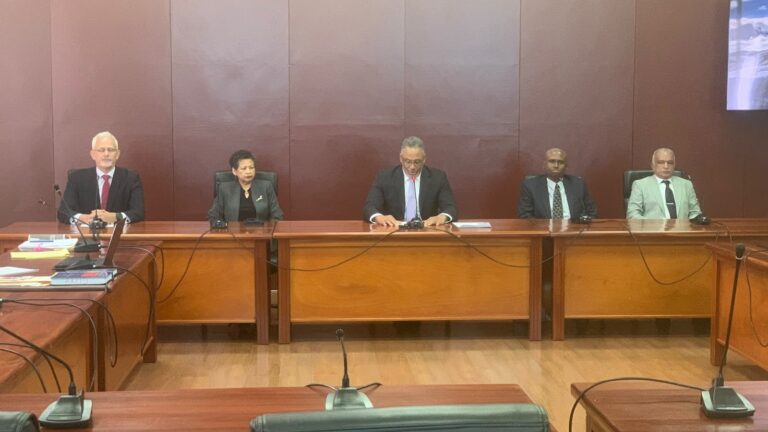
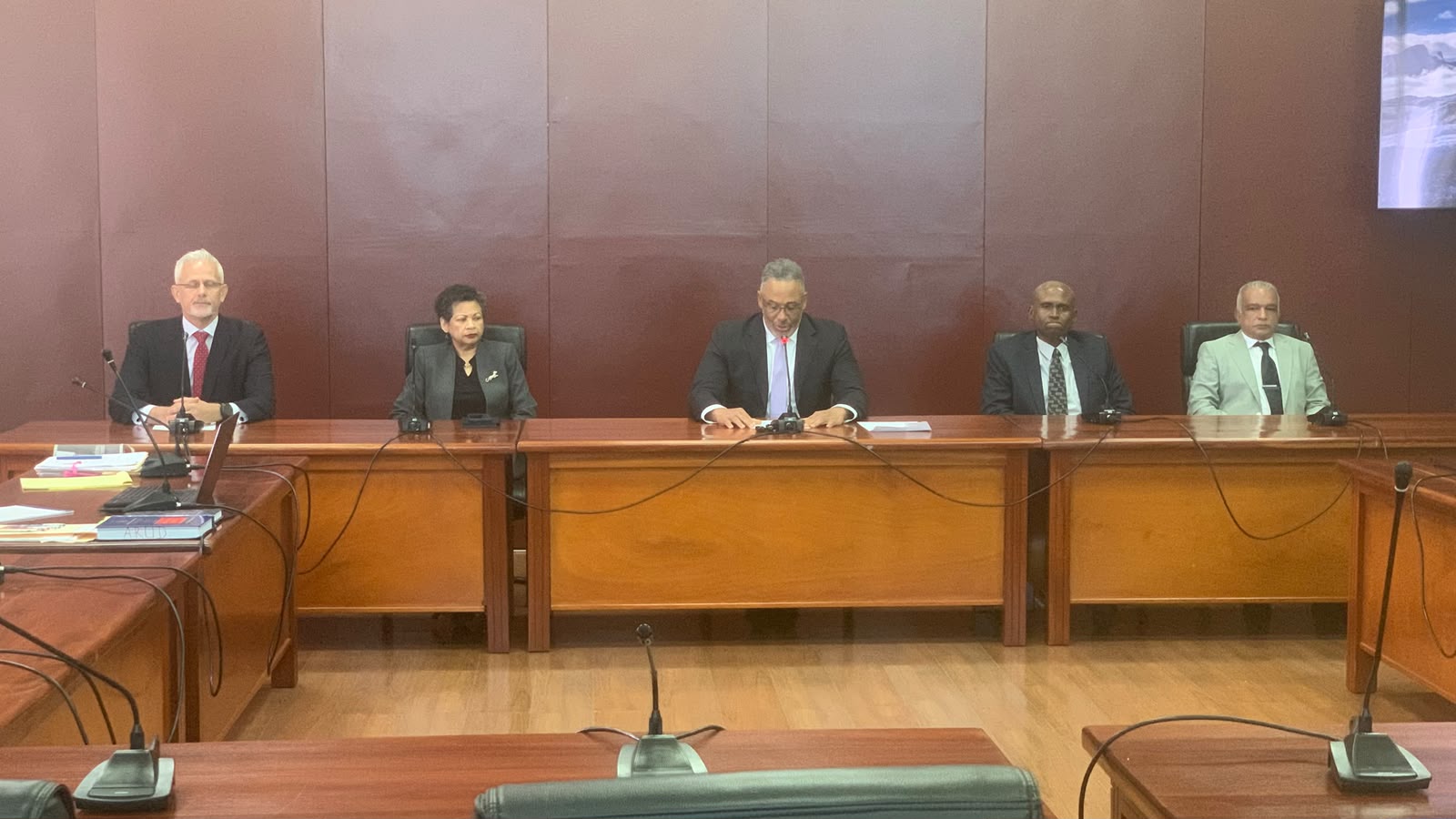
Commissioners of the COI, Chairman of the Commission of Inquiry, Justice Godfrey Smith (centre) along with members of the Commissioners Dr. Andrzej Jasionowski (far left), Nyree Alfonso (left), Rear Admiral (Ret’d) Hayden Pritchard (right), and Captain Hamada Fouda (far right) during their opening ceremony last Wednesday

At the preliminary hearing last week, Smith pledged a thorough and independent investigation into the circumstances surrounding the sinking, including the vessel’s seaworthiness, loading procedures, crew decisions, rescue operations and regulatory oversight.

“Put in plain language, our task is to find out what happened to the BARIMA and why it happened,” Smith said, adding that the commission would examine whether warning signs were ignored, safety procedures followed and regulations adequately enforced.

The commission is expected to take approximately six months to complete its work, although President Irfaan Ali initially mandated a two-month timeframe.

Commission Secretary Javed Shadick explained that the volume of evidence, the need to interview more than 100 potential contacts, cross-examinations and regional visits make the original deadline unrealistic.

He also disclosed that only one person had formally approached the secretariat to indicate an intention to testify as the inquiry began its preliminary work.

That limited response comes as grieving relatives continue to question whether the investigation can adequately establish what happened without examining the wreck. Families have argued that the ferry’s hull must be recovered to facilitate a proper assessment of its condition and structural integrity.

Fresh upgrades at Kingston Wharf raise questions

The commission has already begun inspecting key maritime facilities, including the Transport and Harbours Department’s Kingston Wharf, where the M/V Barima began its final voyage.

During Thursday’s inspection, commissioners examined the cargo bond, passenger waiting area, weighing facilities and vessels docked at the wharf, including the M/V Ma Lisha and the M/V Kimbia.

However, the visit was accompanied by questions from workers about the timing of recently installed equipment and infrastructural improvements.

Employees told reporters that wall fans, paved surfaces, signage, cargo-handling equipment and other fixtures had been installed or upgraded in the weeks following the disaster.

One worker said the changes had transformed a facility where staff had endured poor conditions for years.

“All this you are seeing now is a ‘new’ THD… Soon as the vessel sank, we got a road and everything,” the worker remarked.

Another source said several items inside the cargo bond had been installed only days earlier, adding that cargo measurements were previously conducted without the weighing scale that is now in place.

The accounts raise questions about the state of the wharf before the disaster and whether its present condition accurately reflects the facilities and procedures in place when the ferry departed on 18th July.

Transport and Harbours Manager Yerlander Hughes, who accompanied the commissioners during the walkthrough, declined to comment when reporters questioned the sudden appearance of new fixtures and equipment.

The commission has not publicly indicated whether the upgrades will affect its assessment of the wharf’s historical safety standards.

Asked about the observations made during the inspection, Smith said: “We are working and gathering evidence.”

The commissioners also visited the Maritime Administration Department, the Transport and Harbours Department’s executive offices and dry-dock facilities as part of their preliminary investigations.

BK salvage contract

Another major development is the award of a $1.034 billion contract to BK International Inc. to salvage the sunken ferry.

Records published on the National Procurement and Tender Administration Board’s website on 7th October, 2026, show that the company was awarded Contract ID 211/2026/34 for the recovery of the M/V Barima off Devonshire Castle Flats, Essequibo Coast, under National Competitive Bidding.

The award has raised questions about the company’s experience in complex marine salvage operations and the transparency surrounding the selection process.

The contract was not accompanied by a public announcement from the Government or the Maritime Administration Department. Media houses discovered the award through NPTAB’s published records.

BK International’s selection has attracted scrutiny because one of its own barges, the Darren B, sank in the Demerara River in November 2014 and was subsequently removed by Dutch contractor Koole Contractors under a Government-funded arrangement.

The company was selected over Netherlands-based KMS B.V., associated with Koole Contractors, which reportedly submitted a US$2.035 million bid, and Industrial Fabrication Inc., which submitted a G$1.895 billion bid.

The salvage contract is being executed on a “No Cure, No Pay” basis, under which payment is tied to the successful recovery.

The decision became public during questioning by Jasmin Cort, the daughter and niece of still-missing brothers Neil and Kenrick Cort, who pressed the commission’s maritime consultant, Dr. Andrzej Jasionowski, to identify the contractor selected to recover the wreck.

“It is one of the three, BK,” Jasionowski disclosed.

He stressed that the operation must be conducted carefully to preserve evidence that could help determine why the 87-year-old ferry capsized.

“If you rush it, it’s very easy to break it, and once that happens, the recovery becomes a recovery of cut and scrub metal and whatever remains within,” he explained.

Jasionowski said he had met the salvage masters and engineers to discuss the recovery plan and that the commission expected regular updates on the operation.

The tender specifications require a non-destructive recovery, with the vessel to be raised intact and placed upright on a barge to allow investigators to examine the hull and internal structures.

Families have strongly opposed earlier suggestions that the wreck could remain submerged as a memorial, arguing that recovery is essential both to retrieving missing loved ones and preserving forensic evidence.

Neil Cort, 57, operated the ferry’s canteen for 37 years, while his brother Kenrick, 53, was aboard assisting him. Both remain unaccounted for.

MP calls for survivors’ expenses to be covered

As the commission prepares to formally begin taking witness evidence, Opposition Member of Parliament Ganesh Mahipaul has called on the panel to guarantee that survivors will not have to pay their own expenses to testify.

Mahipaul said survivors who have already endured a traumatic experience should not be forced to choose between participating in the inquiry and meeting the costs of transportation, accommodation and meals.

He called for reasonable travel expenses, accommodation and meals to be covered for survivors travelling from outside Georgetown, with transportation and meal assistance provided to those attending from within the capital where necessary.

“I therefore call on the Commission to make it clear, publicly and without ambiguity, that no survivor should be financially burdened because they have chosen to come forward and testify,” Mahipaul said.

He noted that although consultations and support sessions had been announced for affected families across several regions, he had not seen sufficient public information specifically addressing the expenses associated with giving testimony.

“Their voices must not be lost because someone cannot afford a plane ticket, transportation, a hotel room or meals while fulfilling their civic responsibility to testify,” he said.

Mahipaul urged the commission to communicate directly with survivors about the assistance available, arguing that financial difficulties should not prevent witnesses from contributing evidence.

“The survivors have already paid a price. They should not have to pay to be heard,” he declared.

The commission has said it will invite evidence from survivors, first responders, maritime officials, technical experts and other relevant witnesses. Crew members and the captain, including those facing legal proceedings, may also testify, with constitutional protections against self-incrimination applying.

The secretariat has indicated that translation services and counselling support are being arranged for participants who need them.

Ali awaits CoI findings before deciding on ministers

President Ali has meanwhile said that decisions on calls for the removal or suspension of Public Works Minister Juan Edghill and Public Utilities and Aviation Minister Deodat Indar will depend on the commission’s findings and recommendations.

The President made the position clear amid mounting public calls for political accountability over alleged maintenance failures and wider weaknesses in the oversight of the state-owned ferry.

Ali said he would not engage in speculation or take action that could prejudice the independent inquiry, while maintaining that immediate measures to address maritime safety would continue.

“The CoI, having been established, will conduct its work, make its determination, its recommendation, and then we’ll take it from there,” he said.

He added that an independent team had been established to inspect vessels, identify safety gaps and ensure that urgent deficiencies were addressed.

The position has done little to ease the frustration of relatives and demonstrators, who continue to demand accountability and a faster recovery of the wreck.

During a recent protest outside the Office of the President, family spokesperson Collin Solomon condemned what he described as the Government’s slow response.

“We demand justice. We demand accountability,” Solomon said, arguing that the urgency of the situation had not been adequately reflected in the pace of the recovery effort.

The demonstrations have drawn support from civil society groups, including representatives of the Amerindian People’s Association, with protesters carrying placards demanding that the vessel be raised and those responsible for any failures be held accountable.

Commission promises thorough investigation

Smith has maintained that the commission will not rush to conclusions and will examine the evidence before making recommendations.

Although the inquiry is not a criminal trial and cannot determine criminal guilt or civil liability, the chairman said evidence of possible wrongdoing could be referred to the relevant authorities.

The commission has also established procedures allowing individuals, organisations and affected families to apply for interested-party status, while ensuring that anyone facing adverse criticism has an opportunity to respond.

Smith said the panel could submit interim safety recommendations to the President before completing its final report if urgent risks emerge.

“We do not intend to take short cuts, jump to conclusions or deliver a rushed report,” he said. “Our allegiance is to the law, to our terms of reference, to procedural fairness and, above all, to the truth as established by credible, tested evidence.”


Source: Kaieteur News
When Gas Projects Fall Out of Step: Who Pays?

0


…Wales shows why timing, contracts and Government-side programme management matter as much as engineering

Article 7, Part I

By Anthony E. Paul
Senior Energy Governance, Policy & Strategy Advisor; formerly Director of Geology and Geophysics, Trinidad and Tobago Ministry of Energy; Amoco Trinidad and BPTT Manager responsible for Exploration and Appraisal / Gas Field Development / Oil Production

(Kaieteur News) – The previous article argued that, as Guyana’s gas system becomes more complex, Government will increasingly need an owner-side programme-management function capable of seeing across schedules, risks, commitments and dependencies. Wales provides an early opportunity to see why.

When Gas Projects Fall Out of Step: Who Pays?

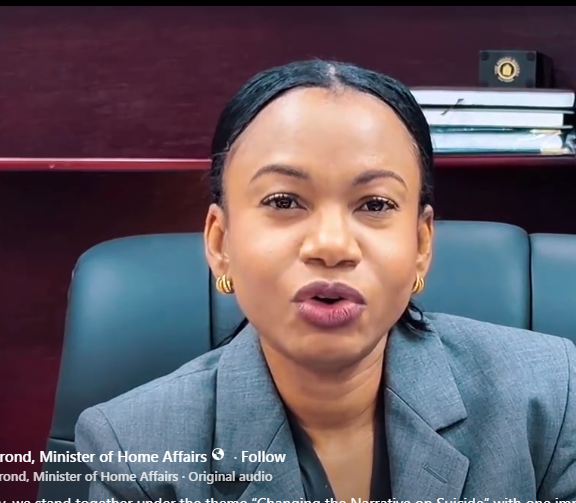
Anthony Paul

ExxonMobil completed its Gas-to-Energy pipeline and riser connections in 2024. The Government-led Natural Gas Liquids and power facilities have taken longer, with the first approximately 57 MW gas turbine expected to begin supplying the grid by the end of 2026 and other facilities following.

The issue is not simply that one component finished before another. Large projects are delayed for many reasons. The more important lesson is that individual projects can satisfy their own technical or contractual requirements while the programme as a whole still fails to deliver its intended benefit on time. A pipeline without a receiving facility cannot fulfil its purpose; a completed power plant without gas faces the opposite problem. Once projects become interdependent, Government has to manage not only the projects, but the interfaces between them.

There is more than one cost of waiting

Public discussion around Wales has understandably focused on whether Guyana is paying for a pipeline that has not yet transported gas. That question requires care because several different costs and commercial mechanisms can easily be confused.

The completed pipeline has remained in preservation mode awaiting the downstream facilities. Government has previously said the pipeline would be funded through cost oil, while in 2023 the Head of the Gas-to-Energy Task Force said Government would pay ExxonMobil an annual fixed sum of approximately US$55 million over twenty years from the time the project came onstream.

Those statements may describe different aspects of the same commercial arrangement, but their relationship should be clear. Recovery through petroleum production is not the same as Government writing an immediate Treasury cheque, but neither is it economically neutral for the resource owner. To the extent expenditure is recovered through cost oil, that petroleum is not available for profit sharing at that time. Cost recovery is not free money.

There is also the cost of deferred benefits. Lower electricity costs, reduced imported-fuel requirements, NGL production and wider industrial opportunities begin only when the integrated system operates.

Contracts as maps of risk

Much of the complexity of gas and infrastructure contracts comes down to a basic question: who bears the consequences when something does not happen as expected?

A producer may seek take-or-pay protection before committing capital. Pipeline or power infrastructure may require capacity or availability payments because investors and lenders need revenue certainty. Such provisions are not inherently unreasonable; in many cases they make infrastructure financeable.

The public-policy issue is whether each risk has been assigned to the party best able to understand, control or absorb it, and whether the compensation for carrying that risk is reasonable. Reservoir underperformance, pipeline delay, unfinished receiving facilities and an industrial user failing to reach financial close are different risks arising in different parts of the system.

Government should not try to transfer every risk to investors; they will price those risks into their returns or decline to invest. But neither should the State become the residual risk-taker simply because each private participant has protected its own project. Someone acting for the resource owner must see where risks accumulate when separate contracts are assembled into one national system. In that sense, programme management is also a risk-management discipline: it is where risks at the interfaces become visible before they become costs.

A project can be on time while the programme is late

Wales should therefore become a case study from which Guyana learns before the next generation of gas investments is committed.

A Government-side programme-management view should be able to answer some very concrete questions:

  1. What was the integrated critical path linking offshore gas availability, pipeline completion, NGL processing, power generation, transmission and operational readiness?
  2. When did it first become clear that the major components would not be ready together, and who was responsible for escalating that information?
  3. What contractual and financial consequences were triggered as the schedules separated, including cost recovery, preservation costs, financing, liquidated damages or other obligations?
  4. What national benefits were deferred by the mismatch, and how should those opportunity costs be measured?
  5. Who owned each major interface between the projects? Were there points at which everybody managed his or her own scope but nobody managed the dependency between them?
  6. What corrective decisions were available once the divergence became apparent, and were they taken early enough to reduce the consequences?
  7. What lessons from Wales are now being incorporated into Longtail, Haimara, additional generation and the proposed second pipeline before those commitments become difficult or expensive to change?

These are not questions designed simply to allocate blame retrospectively. They are questions a resource owner should be able to answer if it intends to manage the next programme better than the first.

Project management is not programme management

A project manager concentrates on delivering a defined asset within agreed scope, schedule, cost and quality. Government’s programme-management function must ask how that asset interacts with every other project, contract and public-policy objective that depends upon it.

For Wales, that means seeing one integrated programme across offshore supply, pipeline, processing, generation, transmission, commissioning and the commercial arrangements connecting them. It requires an integrated schedule, interface register, programme-wide risk and obligations map, decision logs and change-control arrangements capable of showing what a change in one component does to the others.

Those tools are relatively easy to name. The harder task is designing the system around them: deciding who owns the integrated view, what information each participant must provide, who can challenge assumptions, what deviations require escalation, and how unresolved risks reach senior decision-makers before contracts, expenditure or infrastructure make choices difficult to reverse. That is programme governance, not simply programme reporting.

Guyana already has project-level oversight and management arrangements. The programme-management question is broader: what happens elsewhere in the value chain when one project’s schedule, cost or commercial position changes?

That wider view will become more important as Longtail, Haimara, additional generation and a second pipeline add new sources, users and contractual interfaces. The issue is not whether Government needs another large bureaucracy. It is whether the resource owner has a continuous, independently informed line of sight across an increasingly complex programme. Ministries, regulators, utilities, operators and contractors can each perform their mandates competently and the national programme can still become misaligned at the interfaces.

From transparency to institutional learning

A programme-level risk and obligations map should extend beyond engineering schedules. Government should know what constitutes completion, what triggers payment, who carries schedule and volume risk, how capital is recovered, which facilities depend on one another, and what happens if expected supply or demand does not materialise.

That information also has a transparency value. Cost recovery, amortisation, take-or-pay and capacity payment are not interchangeable terms. They represent different commercial mechanisms and different allocations of risk.

For Wales, clearer explanation of what triggers recovery or payment for the pipeline, how the stated twenty-year arrangement relates to cost recovery, and which costs belong to which part of the system would allow the country to move beyond speculation and turn its first major gas programme into a source of institutional learning.

The resource owner’s problem is different from the problem facing any individual contractor, operator or agency: Government alone must ensure that the whole chain works in the national interest.

The lesson is not that Guyana should slow its gas development. If the country intends to move quickly, stronger integration becomes more important because the cost of correcting misalignment rises as projects, contracts and investors multiply.

Wales illustrates one form of misalignment: projects that do not arrive together. There is another. Sometimes infrastructure is being built, contracts have been signed and money has been committed, only for the national strategy connecting those investments to change before the value chain is complete.

Trinidad and Tobago experienced exactly that with the proposed Alutrint aluminium smelter at La Brea. That is the subject of Part II: “When the Strategy Changes Midstream: Who Pays for What Is Left Behind?”


Source: Kaieteur News

Rivas’ winner sends GIA into Quarters as Tucville, Leonora Primary maintain strong pursuit 

0


– Courts Pee Wee U11 Football tournament moves to quarterfinals phase

(Kaieteur News) – Georgetown International Academy (GIA) and defending champions Leonora Primary continued their impressive runs in the 13th Annual Courts Pee Wee Under-11 Boys Football Tournament, securing victories to advance to the quarter-finals following Saturday’s Round of 16 action at the Ministry of Education ground.

GIA ‘A’ edged St John the Baptist Primary 1-0 in a tightly contested encounter, with tournament top scorer Yoseph Rivas once again proving decisive. The winner eventually came as Rivas found the breakthrough in the 39th minute to settle the contest and maintain his scoring streak, having found the back of the net in every match leading up to the knockout stage.

Rivas’ winner sends GIA into Quarters as Tucville, Leonora Primary maintain strong pursuit 

Yoseph Rivas slams the winner for Georgetown International Academy to send them into this year’s quarterfinal’s stage.

St John the Baptist Primary fought to find an equaliser but were unable to breach the GIA defence, bringing their title campaign to an end.

Defending champions Leonora Primary also kept their title defence intact with a comfortable 2-0 victory over St Theresa Primary. Captain Johnathan Melvin and Nerson Persaud spearheaded the attack, with Persaud opening the scoring in the seventh minute before Melvin doubled the advantage in the 18th to seal Leonora’s passage into the last eight.

Santa Rosa Primary booked their quarter-final place after overcoming a determined St Gabriel’s Primary, with Ethan Richards scoring both goals to secure the victory and ended St Gabriel’s hopes of advancing.

Rivas’ winner sends GIA into Quarters as Tucville, Leonora Primary maintain strong pursuit 

Eight schools set to compete for semifinals spots as Courts Optical U11 Pee Wee Football wraps up Round of 16 action.

Waramuri Primary, meanwhile, delivered a commanding performance against the Georgetown side, thrashing GIA ‘B’ 4-0 in their round of sixteen clash. Riyad Peters opened the scoring before Lemar Matthias and Dwayne Williams took charge, extending a three-goal advantage with goals in the 36th and 39th minutes, respectively. Aaden Williams then capitalised on a defensive lapse to add the fourth in the 40th minute, completing a convincing victory for Waramuri.

West Ruimveldt Primary, Tucville Primary and Marian Academy also secured their places in the quarter-finals.

West Ruimveldt edged the Plaisance outfit 1-0, with Malachi Murray netting the decisive goal in a closely fought encounter.

Rivas’ winner sends GIA into Quarters as Tucville, Leonora Primary maintain strong pursuit 

Roger Jason sends Tucville Primary into this year’s quarterfinals with a heroic hattrick performance.

Tucville Primary produced a more emphatic display, defeating Pakuri Primary 3-0 through a hat-trick from Roger Jason. Jason struck in the sixth, 15th and 40th minutes to power his school into the next round.

While Marian Academy advanced with a 2-0 victory over St Pius Primary, as Elijah Jodhan and Miel Parks scored one goal apiece to secure the win.

Potaro Primary completed the list of quarter-finalists with a 3-0 triumph over Redeemer Primary. Lamon Telemaque led the charge with a brace in the 13th and 49th minutes, while Ramario Smith contributed the other goal to round off a convincing performance.

With the Round of 16 completed, Potaro Primary, Georgetown International Academy, Leonora Primary, Santa Rosa Primary, Waramuri Primary, West Ruimveldt Primary, Tucville Primary and Marian Academy will now turn their attention to the quarter-finals, where victories will bring them one step closer to the championship.

The tournament is sponsored by Courts Optical, with support from Demerara Mutual Life, MVP Sports, SkyTec Enterprise, Sterling Products Limited (Ice Cream) and the Ministry of Culture, Youth and Sport.


Source: Kaieteur News