Home Blog Page 74

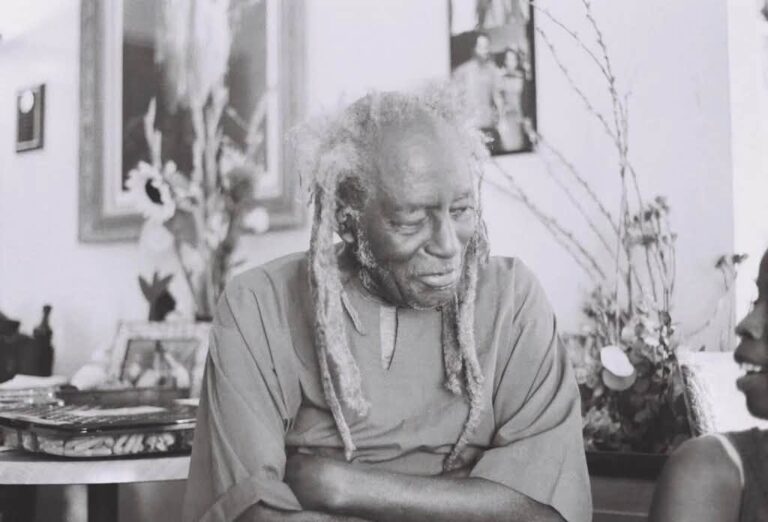
Eusi Kwayana, Sage of Buxton, dies at 101

0


…WPA founder leaves enduring legacy of political activism, scholarship and Pan-Africanism

(Kaieteur News) – Eusi Kwayana, the veteran Guyanese political activist, educator, historian and founding member of the Working People’s Alliance (WPA), died on Saturday at his home in Atlanta, Georgia, United States, aged 101.

He has left behind a political and intellectual legacy that spans the struggle against colonial rule, the fight for social change and decades of political activism in independent Guyana, his party said. “Our elder, teacher, mentor, leader and inspiration has left us to go back to his ancestors. The Sage of Buxton has left this side of the river to return to the source of his spirit. His earthly duty is over. To the very end he kept the faith, cradled the civilization, protected the vulnerable, and empowered the powerless. His loss leaves an empty chair in the gallery of our Guyanese humanity. “It is with deep sadness that the WPA joins with the Kwayana family in announcing the death of Brother Eusi Kwayana. Although we know death is inevitable and that Bro Eusi would eventually leave us, we thought this day would never come. But it is finally here. We give thanks for his life, his wisdom, his guidance and above all, his example. Guyana has lost the last of its original independence visionaries—one of Guyana’s priceless gifts to itself,” the party said in a statement.

Eusi Kwayana, Sage of Buxton, dies at 101

Eusi Kwayana

According to the WPA, for 101 years and six months this rare and special spirit walked among us with a deliberate purpose that touched the core of Guyana. The Guyana of the last eight decades is incomplete without the fingerprints and footprints of Eusi Kwayana. Along with others and sometimes alone, he lived the Guyanese decolonization and independence narrative of freedom. WPA declares with certainty that our Eusi was a Founder-Pioneer of our post-colonial order. In him, shone the light of the full flowering of the Guyanese, Caribbean and African fusion.

The WPA said in 1974, Kwayana co-founded the Working People’s Alliance and remained a committed member until his death. Within the WPA, he served as Executive member, Member of Parliament and de facto editor of the party’s organs, Open Word and Dayclean. We remember Eusi as an excellent party organizer and mobilizer. Whenever the party was low on morale, we turned to him for confidence. We also remember him as a loyal party member who never compromised his integrity and independent praxis. It is for that reason that we label him the modern pioneer of the Independent Radical strand in modern Guyanese politics. “While he gave 52 years of service to the WPA, he also laboured in the valley for the original PPP and the PNC in which he served as Assistant General Secretary and General Secretary respectively. He served as a Member of Parliament and Cabinet Member in the 1953 PPP government. In addition to being General Secretary, he served as editor of the PNC’s newspaper, New Nation.”

During the period 1964-71, Kwayana served as head of the National Land Settlement Committee; chairman of the Guyana Marketing Corporation (GMC); chairman of the Cooperative Insurance Committee; and chairman of a committee charged with converting the Guyana Cooperative Credit Society into a Cooperative Bank. “As an Africanist leader, he co-founded in 1961 the African Society for Racial Equality (ASRE), which was dedicated primarily to raising cultural consciousness among African Guyanese. In 1964, he co-founded the African Society for Cultural Relations with Independent Africa (ASCRIA), which, like ASRE, committed itself to the promotion of African pride, dignity, and culture among African Guyanese. He served as Coordinating Elder of ASCRIA and changed his name from Sydney King to Eusi Kwayana, which, in Swahili, means Black Man of Guyana.

Eusi Kwayana, Sage of Buxton, dies at 101

A younger Eusi Kwayana during one of his many protests.

He gave everything to his country and his people. Farewell African star, Guyanese treasure and Caribbean wise man. We end this initial statement by calling on Guyanese not to mourn Bro Eusi’s passing, but to celebrate his life and lived journey,” the party stated.

Also in a statement, the People’s National Congress Reform (PNCR)/ A Partnership for National Unity (APNU), described Kwayana as a patriot, historian, elder statesman, and a towering figure in the political and social life of our nation. “Brother Eusi entered the political arena as a youth, dedicating his life to the struggles and aspirations of the Guyanese people. He served the People’s National Congress under the leadership of its founder, Linden Forbes Sampson Burnham, contributing his intellect, energy, and convictions to the building of our Party and the advancement of an independent Guyana,” the party said. It noted that in the years that followed, he continued to serve the nation through the Working People’s Alliance, remaining a fearless and principled voice on matters of governance, justice, and national development. “As a historian, he dedicated himself to recording and preserving our country’s story, ensuring that future generations would know the journey of our people and the sacrifices made along the way.”

According to the PNCR, Eusi Kwayana was more than a politician. “He was a teacher, a chronicler, and a conscience for our nation. His life spanned generations of our political evolution, and his counsel, integrity, and unwavering commitment to principle earned him the respect of friend and adversary alike. The PNCR and APNU extend our most sincere condolences to his family, friends, and all who were touched by his life and work. We join the nation in mourning the loss of an elder statesman, and we pray that his soul finds eternal rest. May his legacy of service, scholarship, and sacrifice continue to inspire us all.”

Enduring politician

In a lengthy tribute, Dr. David Hinds said Kwayana is one of Guyana’s most enduring political figures, a leading Pan-Africanist and a founding figure of the WPA. Kwayana was born Sydney Evanson King on April 4, 1925.  “For more than half a century, Kwayana was involved in the country’s political development, moving from the early leadership of the People’s Progressive Party (PPP) to the formation of grassroots African-centred organisations and eventually the WPA. He was also an educator, playwright, author and advocate for Pan-Africanism whose work extended beyond party politics,” Hinds wrote. Born in Lusignan, on the East Coast of Demerara, Kwayana moved with his family to Buxton when he was seven years old. It was in that village, which has played a significant role in Guyana’s political and cultural history, that he developed much of his connection to community life and grassroots organising.

Eusi Kwayana, Sage of Buxton, dies at 101

Buxton Sage, Eusi Kwayana

According to Dr. Hinds, Kwayana’s involvement in politics began during the 1940s, when he became active in village affairs. Around 1947, while still known as Sydney King, he joined a group of political activists led by Dr. Cheddi Jagan in establishing the PPP, which emerged as a major force in the struggle for self-government. “The PPP’s victory in Guyana’s first election under universal adult suffrage in 1953 brought Kwayana into government as Minister of Communication and Works. That administration, however, was short-lived. The British government suspended the Constitution in October 1953 and removed the PPP from office amid concerns about the direction of the government and the growing political tensions in the colony. Kwayana was subsequently among those detained by the British authorities in 1954, as the colonial administration sought to suppress what it viewed as a threat of civil unrest.” According to Hinds, Kwayana’s political journey would eventually take him away from the PPP and towards a different vision of grassroots political organisation, race relations and social transformation.

From the PPP to the WPA

Kwayana later became involved in the establishment of organisations dedicated to African identity, cultural awareness and political empowerment. He helped develop the African Society for Cultural Relations with Independent Africa (ASCRIA), a grassroots movement that sought to strengthen cultural and political connections with independent African countries.

ASCRIA became an important part of the political organising that preceded the formation of the WPA. In 1974, the organisation merged into the WPA, bringing Kwayana into a political movement that challenged the established political order and called for broader participation by working people in the country’s affairs. The WPA developed as a multiracial political movement with a strong emphasis on democratic participation, social justice and the organisation of ordinary citizens. Kwayana became part of its collective leadership and worked closely with historian, academic and political activist Dr. Walter Rodney. Rodney’s political activism and the WPA’s mobilisation attracted considerable attention during the 1970s and 1980s, a period marked by intense political tensions and competing visions for Guyana’s future. Kwayana remained associated with the movement through years of political struggle. In 1985, he was elected to the National Assembly as the WPA’s sole parliamentary representative, taking his place in Parliament during a consequential period in the country’s political history.

His involvement in politics was not confined to parliamentary work. He was part of a generation of activists who used community organising, public discussion, writing and cultural expression to advance their political ideas.

An educator committed to Buxton

Hinds said long before his later political prominence, Kwayana had entered the teaching profession. He became a primary school teacher at just 15 years old, an early indication of the role education would play throughout his life. In 1956, he founded County High School in Buxton and became its principal. The institution was later renamed Republic Cooperative High School. “His work in education reflected a commitment to developing opportunities for young people and strengthening community institutions. His connection to Buxton remained an important part of his identity, and the village featured prominently in his writings and reflections on Guyana’s social and political development. Kwayana’s life also demonstrated how education, culture and political participation could intersect. He did not limit his contribution to the classroom or the political platform; he used literature and theatre to explore questions of identity, history and social change.”

Dr. Hinds said Kwayana was a prolific author whose published works addressed some of the most consequential questions in Guyana’s history, including race relations, labour struggles, colonialism and the development of political movements. His books include The Bauxite Strike and the Old Politics, Scars of Bondage, Guyana: No Guilty Race, Buxton in Print and Memory, Morning After and Genesis of a Nation: The Indo-Guyanese Contribution to Social Change in Guyana. He also documented the final period of Rodney’s life in Walter Rodney: His Last Days and Campaigns, preserving an account of the political activism and campaigns surrounding one of Guyana’s most influential and controversial political figures.

His writing reflected a sustained interest in the forces that shaped Guyanese society and the relationships between race, class, culture and political power. Kwayana also made a contribution to the performing arts. His play, The Promised Land, performed by a young cast from Buxton, won the Best Play prize in the Youth Category at the British Guiana Drama Festival in 1965. His involvement in theatre demonstrated another dimension of his public life, using creative expression to engage audiences with social questions and the experiences of ordinary people. In a distinctive contribution to the country’s political culture, Kwayana also wrote lyrics for party songs associated with Guyana’s three leading political parties — the PPP, the People’s National Congress (PNC) and the WPA.

A life spanning a century of change

Kwayana’s personal life was also closely connected to his Pan-Africanist outlook. In 1968, he met Tchaiko Kwayana, an American Pan-Africanist and civil rights activist formerly known as Ann Cook. The two married in Georgetown in 1971, incorporating Yoruba rites into their wedding ceremony. Tchaiko became involved in his organisational work and shared his interest in Pan-Africanism and political activism. She died in 2017. In 2002, Kwayana retired from active public life and moved to California in the United States.  His life covered a remarkable period in Guyana’s history, from British colonial rule and the early movement for self-government to independence, the emergence of competing political parties and the struggles over democracy, race relations and economic development that shaped the post-independence era.

Kwayana’s political path crossed with some of the most consequential figures and movements in the country’s modern history. Yet his contribution extended beyond his association with political leaders and organisations. Through teaching, writing, theatre and community organising, he helped document and shape debates about the kind of society Guyana should become. His death at 101 marks the passing of a figure whose life was closely intertwined with the country’s political evolution. His writings, educational work and record of activism remain part of the historical record of Guyana’s long and complex journey from colonialism to independence and beyond.


Source: Kaieteur News

Trafficking probes fell by nearly half as U.S. flags gaps in Guyana’s response

0


…cites falling protection funding, weak labour recruitment oversight

(Kaieteur News) – Guyana’s investigations into human trafficking nearly halved in 2025, while funding for victim protection and prevention fell sharply, according to the 2026 Trafficking in Persons Report released by the United States Department of State. The report said Guyana initiated 16 trafficking investigations last year, down from 31 in 2024, even as it retained its Tier 1 ranking for meeting the minimum standards for eliminating trafficking.

It also raised concerns about the government’s failure to adequately regulate labour recruiters, prevent workers from being charged recruitment fees and sufficiently address trafficking risks at worksites linked to Chinese companies and state-affiliated projects.

Trafficking probes fell by nearly half

Minister of Human Services and Social Security, Dr. Vindyha Persaud

The assessment said that while the government continued to prosecute alleged traffickers, train officials and expand victim assistance, it identified and referred fewer victims to services and reduced funding for protection and prevention efforts. In 2025, the government allocated GYD $116.9 million for victim services, down from GYD $132.6 million in 2024. Funding for prevention fell from GYD $169.5 million to approximately GYD $83.25 million over the same period.

The report also cited concerns raised by non-governmental organisations that some shelters were closed during the reporting period, potentially resulting in some victims being re-victimised. The findings point to the need for more effective monitoring of foreign-worker arrangements, particularly at major construction and mining operations, and stronger safeguards against exploitation. The report was also critical of Guyana’s failure to adequately regulate labour recruiters, despite the influx of recruitment agencies targeting workers for the country’s expanding oil sector.

It noted that, for the fourth consecutive year, the government reviewed legislation intended to regulate labour recruitment but did not finalise the proposed amendments during the reporting period. According to the report, the existing legal framework does not prohibit employers, recruiters or labour agents from charging workers recruitment and placement fees, switching contracts without workers’ consent or withholding wages as a means of keeping workers in compelled service. The government also lacked a formal mechanism to oversee recruitment and screen for trafficking indicators throughout the hiring process.

Trafficking probes fell by nearly half

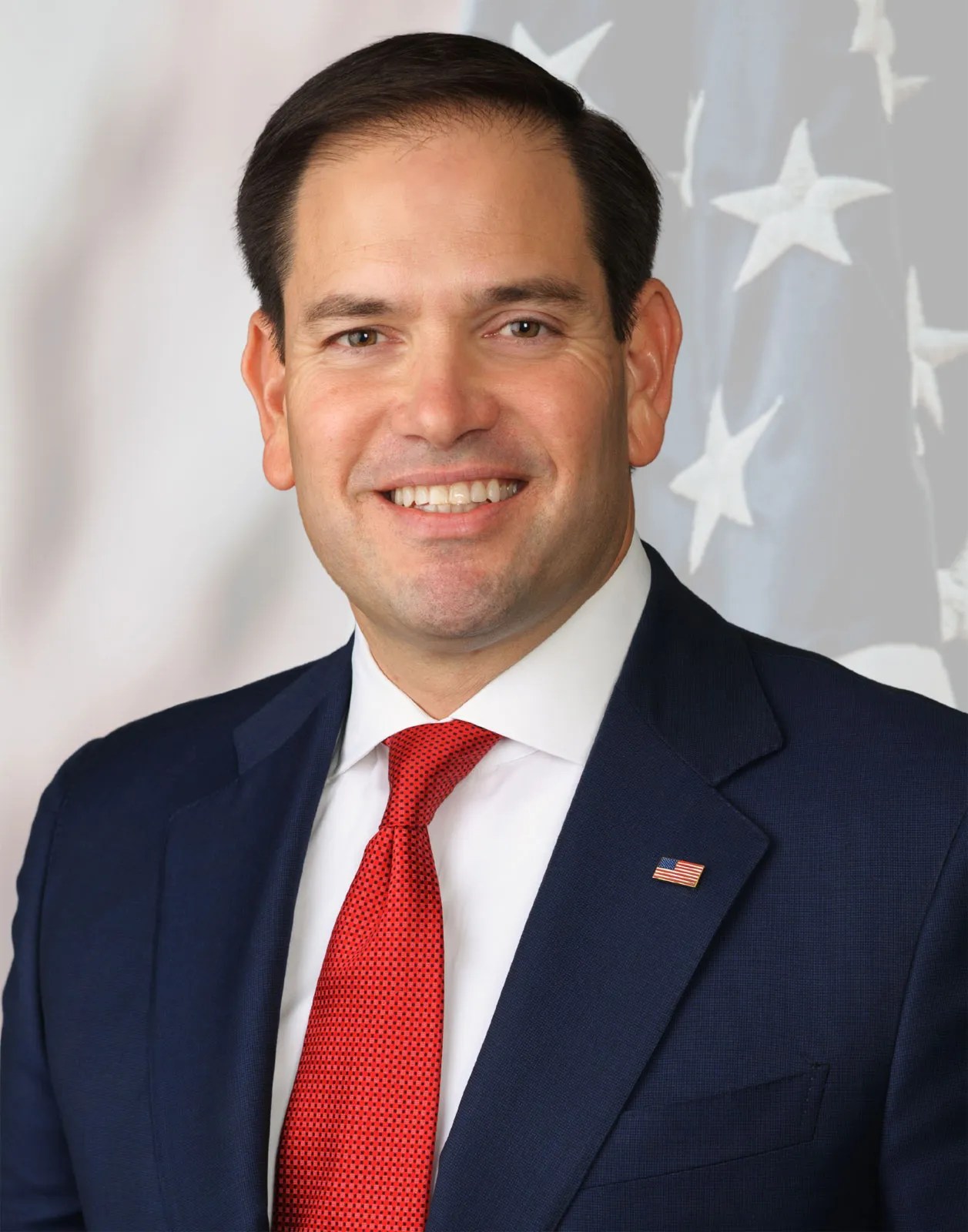
United States Secretary of State, Marco Rubio

According to the report, the government identified 390 trafficking victims in 2025, comprising 304 females exploited in sex trafficking, 85 adult males exploited in forced labour and one boy exploited in an unspecified form of trafficking. The victims included 15 Guyanese nationals and 375 foreign nationals from Venezuela, Brazil, Cuba, the Dominican Republic, India and Colombia. However, the report said only 25 victims were referred to care during the year.

The government provided shelter, healthcare, counselling, legal services and repatriation assistance directly and through civil society organisations. It also completed construction of a 30-person transition home in July 2025 for victims participating in a voluntary 10-day reflection period.

Nevertheless, the report identified difficulties in reaching victims in remote regions, where geographical distances delay social services. Language barriers also complicated assistance to foreign victims, while fear and trauma made some reluctant to accept support. It further noted that victims must be formally identified before accessing services and that some non-governmental organisations expressed concerns about their ability to participate in the national referral mechanism once a suspected victim enters government care.

Prosecutions and lengthy trials

Additionally, reported noted that the government prosecuted four suspects in 2025 — two for sex trafficking and two for forced labour and secured one conviction for sex trafficking, resulting in a prison sentence of at least 48 months. This compared with three suspects prosecuted and one trafficker convicted in 2024. Authorities also detained a trafficker who had been convicted in absentia during the previous reporting period. In one suspected labour-trafficking case, however, the government settled the matter rather than pursuing a criminal conviction, the report stated.

The defendant was ordered to pay the victim for unpaid wages and cover the cost of transportation to the victim’s home country. The report noted that trafficking and other major criminal trials take an average of two years to complete and can last as long as four years because of shortages of trained court personnel, postponements and delays in preparing cases. It also highlighted a provision in the anti-trafficking law requiring victims to testify in order for prosecutions to proceed. Officials reportedly dropped cases when victims declined to testify. The report said the law provides for restitution and asset forfeiture following convictions but lacks an effective mechanism to enforce those judgments when traffickers fail to pay. Restitution payments can also be deferred while a defendant’s appeal is pending.

Cuban workers

This year’s report again addressed concerns involving Cuban workers employed in Guyana. It said the government sought to establish fair labour conditions for Cuban workers and address forced-labour concerns, prompting the Cuban regime to end its bilateral health cooperation agreement with Guyana in early 2026. At the beginning of the year, approximately 110 of the 370 Cuban regime-affiliated workers in Guyana remained in the country after authorities offered them direct employment and protection; the others returned to Cuba.  However, observers reported that the government did not consistently ensure that workers who remained received their wages.

The report said the government continued awareness campaigns targeting vulnerable populations, including miners, hotel operators, Indigenous community leaders and schools. It also operated three anti-trafficking hotlines and introduced a QR-code reporting system in July 2025. Despite these measures, observers noted that poor mobile phone coverage in many mining areas limited the effectiveness of the hotlines among communities vulnerable to trafficking.


Source: Kaieteur News

IMF urges Govt. to tighten oversight of oil spending, resolve outstanding audits

0


…warns against wasteful subsidies as oil revenues soar and economy expands

(Kaieteur News) – The International Monetary Fund (IMF) has urged Guyana to strengthen oversight of public spending, resolve outstanding cost-oil audits and improve transparency in the management of public finances as the country’s oil-driven economy continues to expand rapidly.

In its latest assessment of Guyana’s economy, released on Thursday, the IMF also recommended that the government improve the targeting of subsidies, strengthen compliance with public procurement rules and reinforce anti-corruption safeguards as billions of dollars in oil revenues flow into the economy.

The Fund cautioned that if oil prices remain persistently high, a larger share of additional revenues should be saved, taking into account the country’s capacity to absorb increased spending.

IMF urges Govt. to tighten oversight of oil spending, resolve outstanding audits

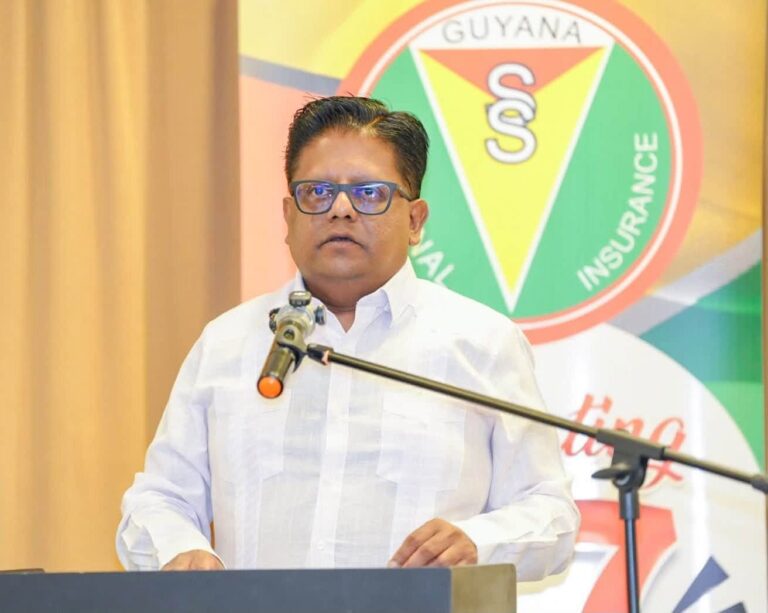
Finance Minister, Dr. Ashni Singh

It further recommended that broad measures intended to cushion consumers from rising prices should gradually be replaced with targeted assistance for vulnerable groups.

The recommendations form part of the IMF Executive Board’s 2026 Article IV consultation with Guyana, which examined the country’s economic performance, fiscal management and medium-term outlook.

While describing Guyana’s economic prospects as highly favourable, the Fund stressed the importance of maintaining fiscal and financial stability, strengthening governance and ensuring that rapid growth translates into durable and inclusive development.

Outstanding oil audits

Among the governance priorities identified by the IMF was the need to resolve outstanding cost-oil audits, improve the timely publication of accounts by public enterprises and government agencies, and strengthen audit capacity, particularly in the oil and gas sector.

This newspaper reported last week that more than five years after a British consultant flagged the misuse of US$214 million of Guyana’s oil money by ExxonMobil, the stalemate has landed before the International Chamber of Commerce (ICC).

This was confirmed by Minister of Natural Resources, Vickram Bharrat in a brief telephone interview with Kaieteur News on Tuesday. The minister told this publication, “Yes the ICC will make a decision on a sole expert.”

The two sides were unable to agree to a sole expert to resolve the dispute on the first audit of US$1.6 billion in expenses racked up by Exxon during the period 1999 to 2017.

As such, Bharrat said the procedure laid out in the 2016 Production Sharing Agreement (PSA) has been followed where the two parties are currently before the international body awaiting the appointment of a sole expert to determine the way forward on the US$214 million dispute.

He was unable to state how soon a decision from the body is likely. “It’s already with the ICC. We have to wait on them. No fixed timeframe as yet,” Bharrat added.

In June this year, Exxon’s vice president and business services manager, John Colling hinted that the dispute may land before the ICC.

Colling said, “So we’re in discussion currently with the government of Guyana regarding the selection of the sole expert. We have not yet landed on a sole expert but have discussed a process to ultimately arrive at one.”

As such, he noted, “If we’re unable to arrive at a mutual selection, that can be referred to the ICC to make the selection, which very well may be the next step in the process.”

While the first audit drags on, two other audits of the company still remain to be concluded as well. The second audit, for the period 2018 to 2020 was conducted by VHE consulting. The local audit team found that another US$65 million of the US$7.2 billion in expenses was incorrectly charged to Guyana.

Questions still remain on whether the full report was published by the GoG for the US$7.2 billion audit. Meanwhile Exxon’s third and largest audit, on record to date, amounts to a whopping US$19.6 billion. It was conducted by the same local group, VHE. Although government received that report since May 2025, it has refused to make the document public. The administration is also not inclined to highlight the disputed costs flagged by the auditors.

Public procurement

The Fund also called for consistent compliance with the public procurement framework as government expenditure expands.

It said efforts to strengthen anti-money laundering and counter-terrorism financing measures and anti-corruption frameworks should continue, including through improvements to the Integrity Commission and the asset declaration regime.

The recommendations come as Guyana continues to develop its petroleum sector and channel oil revenues into infrastructure and other public investments.

Deficit expected to widen in 2026

Despite strong oil revenues, the IMF projected that Guyana’s overall fiscal deficit would widen from 5.5 per cent of gross domestic product (GDP) in 2025 to 6.4 per cent in 2026, partly reflecting transfers and electricity subsidies.

The deficit is expected to improve in 2027.

The Fund said a comprehensive medium- and long-term fiscal strategy would help preserve sustainability and ensure that future generations also benefit from the country’s natural resource wealth.

It recommended that Guyana strengthen its non-oil primary balance over the next decade, with a long-term objective that could include preserving the real per capita value of assets held in the Natural Resource Fund (NRF).

The IMF noted that the country’s existing budget frameworks provide a foundation for developing clearer fiscal targets.

It also cautioned that public spending must remain aligned with development needs and the economy’s capacity to absorb investment effectively, while accounting for the high cost of delivering public services in a country with a relatively small and geographically dispersed population.

Economy grows by 19.3 per cent

The IMF reported that Guyana’s real GDP grew by 19.3 per cent in 2025, following average growth of nearly 40 per cent during 2023 and 2024.

Oil GDP increased by 21.1 per cent last year, while non-oil GDP expanded by 14 per cent, driven largely by construction and supported by agriculture, mining and manufacturing.

Oil production exceeded 900,000 barrels per day, while stronger labour market conditions and private-sector credit growth also supported economic activity.

The Fund projected overall economic growth of 22.3 per cent in 2026, with oil GDP expected to grow by 26.1 per cent and non-oil GDP by 10.2 per cent.

Non-oil growth is projected to average approximately seven per cent over the medium term.

The economic expansion has also strengthened Guyana’s external position. Gross international reserves reached approximately US$1.4 billion in 2025, while the NRF accumulated about US$3.3 billion by the end of that year.

The IMF said the country’s economic fundamentals remain strong and noted that Guyana continues to maintain one of the lowest debt-to-GDP ratios in the Western Hemisphere.

However, inflation, which averaged 3.3 per cent in 2025, is projected to rise to 4.1 per cent in 2026, reflecting higher global energy and food prices.

The Fund said available indicators did not point to clear overheating or competitiveness pressures, but warned that strong wage growth and wage-based real exchange rate measures warranted close monitoring.

It also identified oil price volatility, potential overheating and climate-related shocks as risks to the otherwise favourable economic outlook.

The banking system was assessed as well capitalised and liquid, with improving asset quality. Nevertheless, the IMF said rapid housing market growth warranted close monitoring and recommended the development of a real estate price index.

It also called for stronger cybersecurity standards as financial services become increasingly digital, alongside a comprehensive framework to help authorities identify and manage risks across the financial system.

On monetary policy, the Fund said liquidity management should remain consistent with Guyana’s exchange rate arrangement and price stability. It added that further tightening could be necessary if demand, credit or exchange rate pressures intensified.

Diversification remains critical

The IMF said Guyana should continue investing in human capital, expanding employment opportunities, addressing labour shortages and strengthening food security to support diversification beyond oil.

It noted that the Gas-to-Energy project is expected to reduce reliance on fuel-based electricity generation, lower energy costs and improve competitiveness.

The Fund also stressed the importance of investments in sea defences, drainage and climate-resilient agriculture to protect the country against climate risks.

It called for improvements in official statistics, including updated national accounts and price data, regular labour force surveys, more complete publication of census results and the introduction of a new household budget survey.

The IMF concluded that while Guyana’s growth outlook remains highly favourable, stronger fiscal frameworks, sound governance and effective public spending will be essential to preserving stability and ensuring that the country’s oil wealth supports sustainable development.


Source: Kaieteur News

Texila welcomes new medical students, highlights AI-powered training

0


(Kaieteur News) – Texila American University (TAU) welcomed a new cohort of aspiring physicians to its College of Medicine on Friday last, as the institution highlighted its investment in artificial intelligence (AI), medical simulation and modern clinical training.

The university’s White Coat Ceremony marked the students’ entry into a new phase of their medical education, underscoring the importance of professionalism, ethical conduct, compassion and patient-centred care.

TAU also used the occasion to showcase its Medical Simulation Laboratory (SIM Lab) and CyberPatient virtual patient platform, which allow students to practise clinical skills and develop diagnostic and decision-making abilities before entering real-world healthcare settings.

Texila welcomes new medical students, highlights AI-powered training

New doctors and other officials at the ceremony.

Simulation lab prepares students for clinical practice

According to a press release, the university’s SIM Lab is designed to bridge the gap between classroom instruction and practical medical training through hands-on exercises using simulation mannequins capable of replicating human physiological functions, including cardiac and respiratory responses.

The technology allows students to practise patient assessments, sharpen their clinical reasoning and respond to simulated medical situations in a supervised environment.

According to the university, simulation-based training helps students build clinical confidence, improve decision-making and strengthen patient safety practices before progressing to clinical settings.

Texila welcomes new medical students, highlights AI-powered training

New doctors taking the oath.

AI platform allows students to assess virtual patients

TAU has also integrated artificial intelligence into its medical curriculum through its CyberPatient virtual patient simulation platform.

The system allows students to interact with virtual patients, obtain medical histories, assess clinical findings, select diagnostic investigations and make clinical decisions. It also provides feedback on their assessments, helping them identify weaknesses and improve their diagnostic reasoning.

Speaking at the ceremony, Dr. Dheeraj Bansal, Chief Academic Officer and Dean of the College of Medicine, highlighted the importance of incorporating emerging technologies into medical education.

He said AI-assisted learning and simulation-based training give students additional opportunities to apply medical knowledge, develop practical competencies and prepare for increasingly complex healthcare environments.

The university said the combination of AI-powered learning, simulation facilities and faculty guidance forms part of its approach to student-centred medical education.

TAU highlights international accreditations

The institution also pointed to its three international accreditations, which it said reflect its commitment to academic quality, institutional accountability and internationally benchmarked educational standards.

TAU stated that its College of Medicine holds accreditation from two internationally recognised medical education accrediting bodies. However, the names of the accrediting bodies were not provided in the information supplied.

The university said its accreditations, alongside its simulation facilities, AI-enabled teaching tools and clinical training opportunities, reinforce its standing as an international medical education institution in the Caribbean.

Community outreach promotes compassionate care

Beyond academic and technological training, the ceremony reinforced the importance of empathy, integrity, patience and professionalism in the medical field.

Dr. Bansal encouraged the incoming students to recognise that becoming a successful physician requires more than academic knowledge and technical competence, stressing the importance of compassion and a lifelong commitment to patient care.

TAU also highlighted its health camps and community outreach initiatives across Guyana, including in remote communities, as an important part of medical training.

Through these activities, students gain exposure to diverse healthcare needs while developing an understanding of their social responsibilities and the importance of community-oriented care.

The university said these experiences complement classroom teaching and simulation exercises by exposing students to the human realities of healthcare delivery.

University seeks to strengthen Guyana’s medical education sector

TAU said it continues to invest in academic infrastructure, advanced teaching technologies, simulation-based learning and clinical training opportunities to prepare future healthcare professionals.

Its approach combines traditional medical instruction with emerging technologies, including artificial intelligence, as it seeks to equip students for the changing demands of healthcare locally and internationally.

The White Coat Ceremony marked the beginning of the new students’ journey towards becoming physicians, while reminding them of the professional and ethical responsibilities associated with the medical profession.


Source: Kaieteur News

GFS spends $156.5M on fire station upgrades

0


 …as equipment procurement advances

(Kaieteur News) – The Guyana Fire Service (GFS) has spent $156.5 million on infrastructural upgrades so far this year, with work completed at the Campbellville Fire Station and ongoing at five other locations, according to the 2026 Mid-Year Report.

The report said works have advanced at the Ruimveldt, Timehri, Mahaicony, Cumberland and Tarlogie fire stations.

In addition to the infrastructural upgrades, $143.4 million was expended to advance the procurement of additional firefighting equipment. Contracts were also secured for three airport firefighting vehicles, seven water tenders and two water bowsers.

GFS spends $156.5M on fire station upgrades

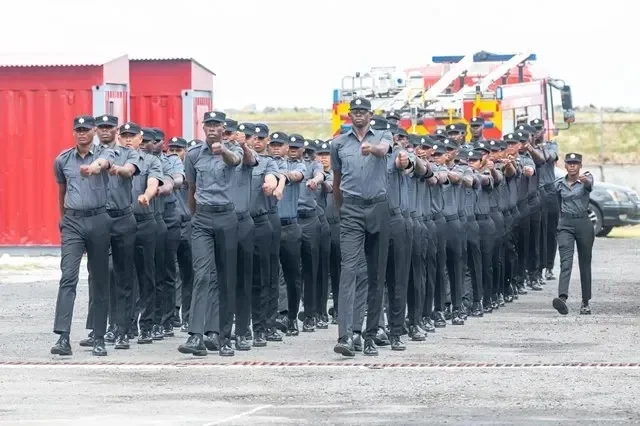
Members of the Guyana Fire Service.

Meanwhile, $47.3 million was spent on the procurement of 100 fire hydrants during the first half of the year, with another 110 expected to be procured by the end of 2026, the report stated.

The GFS also invested in training to strengthen its operational effectiveness. During the first six months of the year, $17.4 million was spent on training 107 recruits through a four-month basic training programme.

Additionally, 41 fire officers received intermediate-level fire investigation training in accordance with National Fire Protection Association standards. Advanced-level training is scheduled for the second half of the year, alongside training for another cohort of recruits.

On January 27, Kaieteur News reported that the Government had allocated $6.8 billion to strengthen and modernise the GFS in the 2026 National Budget, including plans to complete and commission several new fire stations.

During his budget presentation at the Arthur Chung Conference Centre, Finance Minister Dr. Ashni Singh said the investments were intended to strengthen the country’s firefighting capabilities, accelerate emergency response times and reduce the human and economic losses associated with fires.

Singh announced that $1.1 billion had been allocated to complete and commission fire stations at Onderneeming, Campbellville, Ruimveldt, Timehri, Mahaicony and Tarlogie. The programme also included the construction of new stations at Rosignol and No. 38 Village, as well as a Marine Fire Station at Port Georgetown.

These facilities are expected to complement stations constructed in 2025 at Charity, Parika, Diamond, Soesdyke and Wisroc, along with targeted upgrades to existing stations and living quarters.

The 2026 Budget also earmarked $1.6 billion for additional firefighting assets, including two airport firefighting vehicles, four water tenders and two water bowsers.

“The acquisition of advanced equipment represents a fundamental component in the enhancement of core firefighting capabilities and overall operational effectiveness,” Singh said. The minister further disclosed that $527.9 million was spent in 2025 on a range of equipment, including a crash tender, three ambulances, two water tenders, five all-terrain water tenders and a breathing apparatus refilling vehicle.

A further $503.1 million was spent last year to advance the procurement of more than 430 fire hydrants, while $250 million was budgeted for additional hydrants in 2026.


Source: Kaieteur News

Yemen’s Houthis renew warning over Saudi airports after deadly Riyadh attack

0

DUBAI/RIYADH,  (Reuters) – Yemen’s Houthis warned airlines, travellers and airport workers today to stay away ‌from Saudi airports, a day after an attack on Riyadh’s international airport killed 12 people and wounded more than 300 others.

It was the deadliest such attack in the kingdom in more than a decade and comes amid an escalation of fighting between the Iran-backed Houthis and Saudi-backed Yemeni government forces.

“We renew our warning to all airlines, experts, employees, workers and ​travellers against using Saudi airports and airspace, as they are vulnerable to attack and have become a theatre of operations for our ​forces, with the exception of the airports in (the holy cities of) Mecca and Medina,” the Houthis said in a ⁠post on X.

“We urge everyone to take our warnings seriously, and Saudi Arabia bears responsibility for any failed interceptions.”

Saudi Arabia has stepped up its ​military involvement in Yemen in recent weeks, launching strikes against the Houthis and backing a Yemeni government counteroffensive after the group seized strategic territory along the ​Red Sea coast last month.

Yemen’s Houthi-run foreign ministry said on Sunday that further Saudi military action in Yemen would trigger a stronger response, adding that its actions would be guided by the principle of reciprocity.

“Unless the Saudi enemy stops its aggression and interference in Yemen, worse is yet to come, God willing,” the ministry said in statements ​carried by Houthi-run Al Masirah television.

President Donald Trump said on Saturday the United States was considering joining Saudi strikes on the Houthis in the ​conflict, a spillover from the wider war on Iran that the US and Israel launched in February.

The Saudi-led coalition said on Saturday that a projectile had also fallen near ‌King Fahd ⁠International Airport in Dammam, in the kingdom’s Eastern Province. The coalition also reported intercepting a drone in the region on Sunday.

INTERNATIONAL ENERGY CONFERENCE STILL GOING AHEAD IN RIYADH

Saturday’s attack has forced the temporary closure of King Khalid International Airport but the Saudi energy ministry said a long-planned international energy conference was still going ahead in Riyadh on Sunday.

The five-day WPC Energy Congress is taking place at a convention centre some 10 km (6 miles) from the airport. ​State TV said more than 70 ​ministers, 300 company executives and representatives ⁠of over 25 international energy organisations have confirmed their attendance.

It was not immediately clear whether the participants would attend in person or virtually.

A ministerial meeting of the International Energy Forum is also set to go ahead on ​Sunday, with its plenary session to be held behind closed doors, according to a media advisory. No further ​details were immediately available.

Separately, ⁠Saudi authorities notified parents that in-person classes would be suspended and shifted to remote learning from Sunday until Thursday for all students, teachers and administrative staff.

In Saturday’s attack, the third on Riyadh’s airport in a week, the 12 dead included 4 Saudis, 2 Bangladeshis and nationals of the United States, Jordan, Palestine, Syria, ⁠Sudan and ​Egypt, Saudi authorities said.

Saudi Arabia’s civil aviation authority said airport operations were temporarily suspended pending ​damage and safety assessments, without specifying when flights would resume.

Two previous attacks on Riyadh’s international airport earlier in the week had killed four people and caused heavy damage to a Saudi ​commercial plane parked on the tarmac.


Source: Kiskadee Watch

Govt. building forensic capacity to process evidence locally – Walrond

0


…500 police officers to be trained in evidence processing

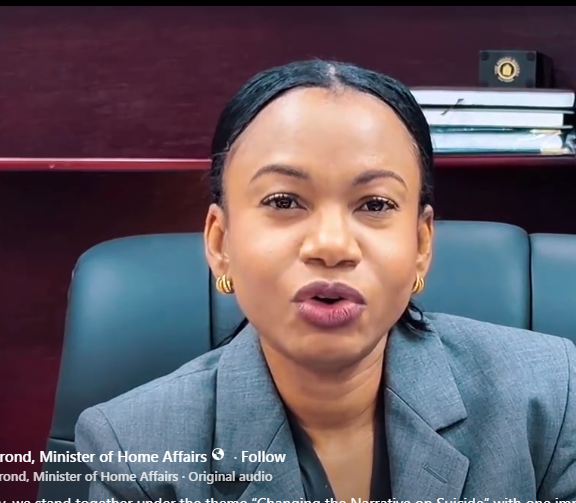
(Kaieteur News) – The Government of Guyana is building the capacity of the country’s forensic laboratory to process evidence locally, including ballistics and toxicology samples that are currently sent overseas for analysis, Minister of Home Affairs Oneidge Walrond has disclosed.

Speaking on a recent episode of the Starting Point Podcast, Walrond said strengthening local forensic capabilities would reduce the need to send samples abroad, a process she noted could be problematic. “…our samples don’t have to be sent abroad, which can be problematic. So, to be able to do that processing right here, whether it’s ballistics and toxicology reports and have them. So, we’re building up the capacity of our lab to be able to do that,” the Minister said.

Govt. building forensic capacity to process evidence locally – Walrond

Minister of Home Affairs, Oneidge Walrond

Walrond also disclosed that significant financial resources are being spent on training 500 police officers in evidence processing, with the aim of strengthening the handling and preservation of evidence through the conclusion of trials.

The Guyana Forensic Science Laboratory (GFSL), which carries a reported price tag of $1 billion, was commissioned in July 2014. It was established under the Citizens’ Security Programme (CSP), an initiative undertaken by the Government in collaboration with the Inter-American Development Bank (IDB).

In September 2025, the Kaieteur News reported that the GFSL, in collaboration with the Government Analyst–Food and Drug Department (GA-FDD) and the Institute of Applied Science and Technology (IAST), had officially opened a three-day inter-laboratory training programme on Atomic Absorption Spectroscopy (AAS).

The training, held at the IAST boardroom at the University of Guyana’s Turkeyen Campus, was designed to strengthen technical capacity among laboratories in Guyana that currently use, or are preparing to adopt, Atomic Absorption systems.

According to a Ministry of Home Affairs press release, participating institutions included the GFSL, GA-FDD, IAST, Guyana Geology and Mines Commission (GGMC), University of Guyana, Hydrometeorological Service, Pesticides and Toxic Chemicals Control Board, National Agricultural Research and Extension Institute, Guyana Sugar Corporation, IMEX, Rice Development Board, Guyana Power and Light, and Demerara Distillers Limited.

The initiative was described as the first of its kind in Guyana, bringing together government and private-sector laboratories. The training was offered at no cost to participating institutions as part of efforts to improve scientific expertise and support sustainable development.

More recently, in February 2026, the United States Embassy in Guyana announced that forensic laboratory professionals from the GFSL had participated in an intensive technical exchange at the U.S. Drug Enforcement Administration’s (DEA) Southeast Laboratory in Miami from February 9 to 13.

The programme was hosted by the U.S. Department of State’s Bureau of International Narcotics and Law Enforcement Affairs (INL) and the DEA, with the aim of strengthening cooperation between the United States and Guyana in synthetic drug detection and reporting.

The Guyanese team joined forensic laboratory directors, chemists and quality assurance managers from the Saint Lucia Forensic Science Laboratory, the Jamaica Institute of Forensic Science and Legal Medicine, and the Royal Bahamas Police Force Forensic Laboratory.

The training combined theoretical instruction with practical exercises in Gas Chromatography–Mass Spectrometry (GC-MS). Participants also observed DEA laboratory personnel processing a 200-kilogram bulk seizure of suspected cocaine, giving them practical insight into advanced forensic techniques.

According to the embassy, the collaboration supports the U.S. Department of State’s implementation of Executive Order 14367, which designates fentanyl as a weapon of mass destruction. The initiative seeks to address gaps in regional capabilities by strengthening the detection of synthetic narcotics and fentanyl, as well as safe handling, evidence preservation and reporting in Guyana and across the Caribbean.


Source: Kaieteur News

‘Govt. breached environmental law with Wales gas project’ — Former EPA Head

0


…says EIA procedures were not followed; insists study must be done

(Kaieteur News) – The Government of Guyana has breached environmental law by proceeding with the Wales Gas-to-Energy (GTE) project without an Environmental Impact Assessment (EIA), former Environmental Protection Agency (EPA) Executive Director Dr. Vincent Adams has charged.

While construction continues on Phase One, which includes a Natural Gas Liquids (NGL) facility and a 300-megawatt (MW) power plant, plans for a second phase are being advanced without adherence to the country’s Environmental Protection Act.

In an interview with Kaieteur News, Dr. Adams described the decision to proceed without an EIA as reckless, given the project’s scale and potential consequences for public safety and the environment.

“When you’re doing these types of projects, especially high hazards, high consequences, these major projects … and for neither us to not do a feasibility study nor an EIA is absolutely reckless,” the former EPA head said.

Dr. Adams argued that the Government frequently emphasises the sanctity of contracts but has failed to honour provisions in the same agreement that require a feasibility study for the use of natural gas. He said such a study would also examine environmental implications, costs, challenges and alternative options.

‘Govt. breached environmental law with Wales gas project’ — Former EPA Head

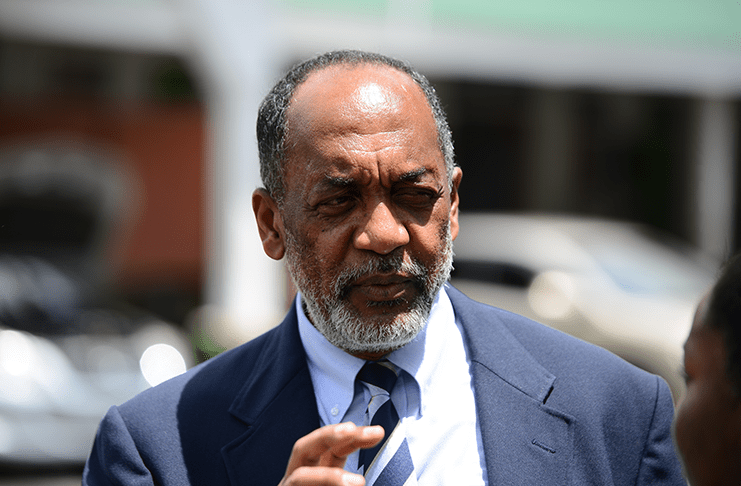
Former Executive Director of the Environmental Protection Agency, Dr. Vincent Adams

He further contended that proper assessments could have saved millions of dollars, pointing to the dispute between the Government and the project contractor over soil conditions.

The petroleum and environmental engineer also criticised what he described as poor planning for other major developments, including the new Demerara River crossing. He recalled that the EPA initially indicated that an EIA was required for that project before reversing its position. He also pointed to plans for uranium mining without adequate environmental studies.

Turning to Wales, Dr. Adams stressed that no EIA was conducted for the NGL facility and gas-fired power plant. ExxonMobil, through its consultant, completed an EIA for the pipeline component of the GTE project, but that study indicated that a separate assessment would be undertaken for the NGL facility and power plant.

He warned that the handling of natural gas presents significant risks because of its explosive properties and the potential consequences for human life and the environment.

Dr. Adams cited the Bhopal disaster in India in the 1980s, when a toxic gas leak killed thousands of people, as a reminder of the potentially devastating consequences of industrial accidents.

IMPORTANCE OF EIAS

Emphasising the importance of an EIA, Dr. Adams described the study as the “bible” for protecting health, safety and the environment.

He explained that an EIA identifies hazards associated with a project during construction, operation and decommissioning, while outlining measures to prevent or mitigate risks and examining alternative approaches.

“It identifies every single hazard before, during and after that project and then the EIA identifies how you will mitigate and prevent them, alternative actions,” he explained.

Dr. Adams insisted that an EIA for the Wales NGL facility and power plant is essential, particularly as the Government advances Phase Two of the project, which is expected to include an additional power plant and NGL facility.

“There is no question about it. This is normal. This here you wouldn’t even need a lot of thought to see that you need an EIA. Just by the magnitude of the project,” he said.

He noted that the project involves high temperatures, high pressures, low temperatures and explosive gases, all of which could create conditions for a serious accident.

Beyond identifying hazards, he said, the assessment should establish appropriate emergency-response arrangements in the event of an explosion or chemical incident.

According to Dr. Adams, different chemicals require different response methods, meaning emergency personnel must receive specialised training and have access to the appropriate equipment. He also questioned where emergency teams would be stationed and whether adequate arrangements had been made to manage traffic and evacuations in the event of a major incident.

BREACH OF ENVIRONMENTAL PROTECTION ACT

Dr. Adams said the Environmental Protection Act requires developers to submit an application to the EPA before proceeding with projects that may significantly affect the environment. The agency must then assess the proposed development to determine whether an EIA is required.

He accused the EPA of failing to follow that process in the case of the Wales project.

According to the former agency head, the EPA should analyse the potential hazards and determine whether a full EIA is necessary. If the agency concludes that the risks do not warrant an EIA, it may instead require an Environmental Management Plan (EMP).

However, he said the agency must publish its decision and the reasons behind it, allowing members of the public to scrutinise the decision and exercise their right to appeal.

“The EPA is not even doing that anymore,” Dr. Adams charged, adding that no project summary or decision regarding an EIA for the Wales NGL facility and power plant had been published.

“That is the law. If you do not do that, they are violating the law,” he argued.

Dr. Adams said the absence of a publicly available decision concerning both Phase One and the proposed second phase also undermines citizens’ ability to challenge regulatory decisions.

He cited the proposed uranium project as another example of what he described as the EPA’s failure to follow established procedures. He said an EMP was published without giving the public an adequate opportunity to participate, prompting objections from an Indigenous community and a subsequent letter to the agency. The EPA later published its decision on the EIA.

Dr. Adams warned that a similar situation appeared to be unfolding with the GTE project.

“This government has no respect for even their own rule of law. No EIAs seem to be their unwritten rule and policy,” he declared.

He further accused the administration of prioritising financial returns over public welfare, arguing that projects were being advanced too quickly without sufficient consideration of safety and environmental consequences.

“As long as it’s gonna provide money, they want it as much as possible, as fast as possible and they don’t think about anything else,” he said.

Dr. Adams attributed some of the shortcomings to what he described as a lack of technical understanding within the administration, arguing that officials could be swayed by financial projections presented by foreign companies.

He also recalled Vice President Bharrat Jagdeo’s previous description of the GTE project as a “no-brainer” when questioned about the need for a feasibility study.

Dr. Adams countered that conducting the necessary studies should have been the obvious course of action before proceeding with a project of such scale and potential risk.


Source: Kaieteur News

GWI defends water sector investments, says 98.6% of population has access

0


…says five-gallon purified water refills at $100 will provide relief to households

(Kaieteur News) – The Guyana Water Incorporated (GWI) has defended the Government’s investments in the company, stating that approximately 98.6 per cent of the population now has access to potable water, while maintaining that more work is needed to improve the quality and reliability of supplies.

In a statement responding to recent public commentary by Gordon Moseley on the state of the water sector and initiatives to make drinking water more affordable, GWI said assessments that overlook investments and infrastructure developments undertaken over the past several years risk presenting an incomplete picture of the progress being made.

The utility said that over the last five years, investments in water infrastructure, rehabilitation, network expansion and service improvements have been undertaken across all regions to improve access to safe and reliable potable water.

GWI defends water sector investments, says 98.6% of population has access

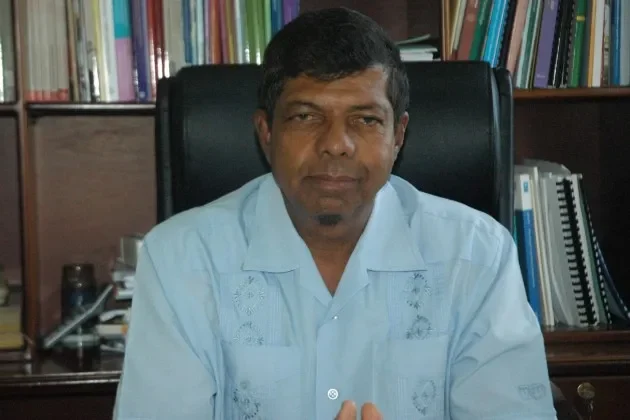
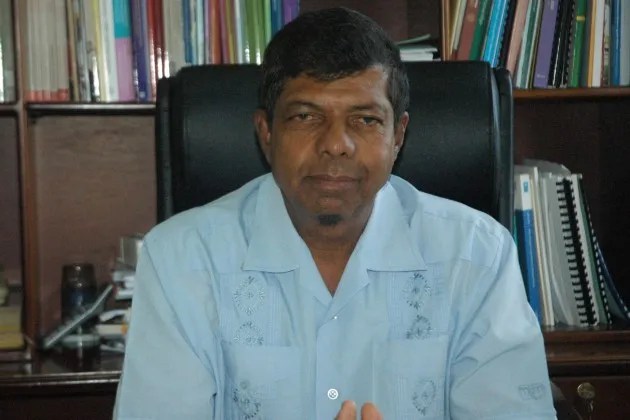
Chief Executive Officer of GWI, Shaik Baksh

It noted that these interventions were intended to meet growing demand arising from the Government’s housing programme, while extending services to previously underserved communities.

According to GWI, more than 200 wells have been drilled over the period, strengthening water production capacity and extending access to communities that previously experienced limited or inadequate supplies.

Additionally, more than 200 kilometres of transmission and distribution pipelines have been installed to improve connectivity, extend services to developing communities and strengthen delivery to historically underserved areas.

The utility also reported a significant increase in treated-water coverage, which has moved from approximately 52 per cent to around 80 per cent over the past five years.

It attributed this progress to investments aimed at moving beyond simply providing water towards ensuring that more households receive treated supplies.

Through the Coastal Water Treatment Infrastructure Programme (CWTIP), GWI said eight new water treatment plants have been constructed across coastal and hinterland areas. More than 13 existing treatment plants have also been rehabilitated and upgraded to improve operational performance and treatment capacity.

GWI said the investments have been particularly significant in the Hinterland, where geographical, logistical and operational challenges have historically affected access to reliable water supplies.

Potable water access in the Hinterland has increased from approximately 46 per cent to 95 per cent as of 2026, the utility reported.

However, GWI acknowledged that challenges remain in some communities, particularly concerns about elevated iron content in water supplied by groundwater wells.

“These concerns are not being dismissed,” the agency said, adding that they form part of the ongoing work to modernise water systems and improve the quality and consistency of services.

The utility said it continues to invest in treatment capacity and supporting infrastructure to address the remaining gaps and advance towards universal treated-water coverage.

Under the second phase of the CWTIP, GWI plans to construct seven additional water treatment plants.

These include two major surface-water treatment facilities at Diamond and Hope.

The Diamond facility is expected to serve 36,000 residents from Craig to Little Diamond, while the Hope facility on the East Coast Demerara corridor is expected to serve 35,000 residents from Cane Grove to Cove and John.

The five other planned plants are at Maria’s Delight, Leguan, Wakenaam, Bath and Adventure.

GWI also said it has completed the installation of 16 small water treatment plants in several rural communities and is working towards rolling out another six.

The smaller systems, it noted, are important for extending treated-water access to communities where large-scale infrastructure may not be the most immediate or practical solution.

The utility said the investments form part of a structured development programme guided by its strategic plans and national development priorities.

It maintained that the programme is intended to strengthen the country’s water infrastructure to accommodate population growth, new housing developments and the needs of communities that have historically experienced limited access.

Refilling stations

GWI also addressed concerns about the introduction and expansion of Government-supported bottle-refilling stations and the possible implications for private water vendors.

The utility described the facilities as a public-service initiative intended to make purified drinking water more affordable and accessible, particularly for low-income families and residents who regularly purchase drinking water.

Under the initiative, five-gallon refills are offered for $100 at the stations, providing residents with what GWI described as an affordable alternative for obtaining purified drinking water.

The agency said the initiative complements the wider national programme to improve access to potable water and reflects the Government’s commitment to ensuring that investments in the sector directly benefit citizens.

GWI maintained that the initiative is consistent with its mandate to provide safe, adequate and affordable water services throughout Guyana.

It said the expansion of the facilities would create additional opportunities for residents to access purified drinking water while complementing ongoing improvements to the country’s water infrastructure.

In its response, GWI said public confidence in the water sector must be supported by measurable progress and a willingness to acknowledge areas requiring improvement.

The agency said it would continue to communicate its achievements, respond to legitimate customer concerns and pursue the investments needed to strengthen water supply systems.

As Guyana continues to develop and demand for reliable and affordable water services increases, GWI said it remains committed to working with the Government, communities and other stakeholders to ensure that infrastructure keeps pace with national development and that no community is left behind.


Source: Kaieteur News
NIS SUED OVER $8,098 MONTHLY PENSION SHORTFALL

0


…Ram, pensioner and three unions seek arrears of $510,300 each

(Kaieteur News) – Attorney-at-law Christopher Ram, a pensioner and three trade unions have filed a High Court application against the National Insurance Board (NIB), seeking to compel the payment of minimum old-age pensions at the rate prescribed by law and recover arrears allegedly owed since 2021.

The application for judicial review was filed on Friday by Ram, pensioner Kalicharan Heera, the Union of Agricultural and Allied Workers, the United Minibus Union and the Guyana Market Vendors Union.

The applicants are asking the court to declare that the minimum National Insurance Scheme (NIS) pension must be no less than 50% of the Public Service minimum wage, as stipulated under Regulation 4(b) of the NIS Benefit Regulations.

NIS SUED OVER $8,098 MONTHLY PENSION SHORTFALL

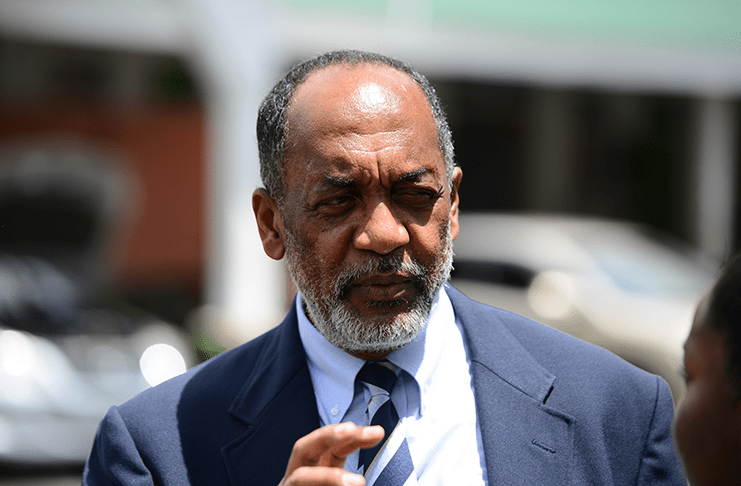
Attorney-at-Law, Christopher Ram

They are also seeking an order compelling the Board to pay the minimum pension at that rate, account for all outstanding payments since 2021 and settle the arrears with interest, including amounts owed to the estates of deceased pensioners.

According to the applicants, the lawful minimum pension currently stands at $51,173 monthly, but pensioners receiving the minimum benefit are being paid just $43,075, leaving a shortfall of $8,098 each month.

They estimate that individuals who have received the minimum pension throughout the period since 2021 are owed approximately $510,300 each.

Regulation 4(b) states that a pension shall “in no case” be less than 50% of the Public Service minimum wage.

The applicants contend that the NIS broadly observed this requirement until 2020, but failed to adjust the minimum pension in line with annual increases in the Public Service minimum wage from 2021 onwards.

They further argue that the Scheme has repeatedly acknowledged the 50% requirement through its website, annual reports and actuarial reports, making its continued failure to pay the prescribed rate particularly troubling.

The dispute had also reached Parliament in 2024, when Annette Ferguson, MP, tabled a motion, seconded by Juretha Fernandes, MP, calling for retroactive payments to minimum pensioners for the period 2021 to 2023. The motion was disallowed, leaving pensioners without the payments being sought.

In their statement, the applicants also pointed to the role of Finance Minister Dr. Ashni Singh, who has responsibility for the NIS and oversees the Co-operative Finance Administration, which supervises the Board.

They contend that, as the minister responsible for the regulations and the budgets that increased the Public Service minimum wage, Singh should have ensured that the minimum pension was adjusted accordingly.

The application follows a September initiative led by Ram after he said he received repeated complaints from pensioners while in the United States.

On October 1, Ram and the unions wrote the National Insurance Board demanding compliance with the statutory minimum pension and payment of arrears, giving the Board until October 9 to respond before court proceedings were initiated.

Ram had indicated that he did not expect a satisfactory response, citing his experience with the Scheme in disputed-benefit matters.

The applicants are now seeking the court’s intervention to resolve the dispute, arguing that the law establishes a clear minimum payment that cannot simply be disregarded.

They have also indicated that the Board and the Attorney General, the Government’s chief legal adviser, will be served with the proceedings.

The applicants further rely on section 34(2) of the National Insurance and Social Security Act, which provides for Parliament to make up any shortfall in the National Insurance Fund. They argue that if the Scheme cannot meet its legal obligations, the Government must make up the difference.

In their statement, the applicants urged the Board to assist the court in resolving the matter quickly and in the interests of the pensioners it serves.

The applicants are represented by attorneys-at-law Khemraj Ramjattan and Christopher Ram.


Source: Kaieteur News