Home Blog Page 76

Guyana targets end-of-year onion self-sufficiency as cultivation expands to four regions

0

Guyana is aiming to end onion imports by the end of this year as the government expands local production, with Region Nine expected to lead cultivation alongside Regions Two, Five and Six.

Minister of Agriculture Zulfikar Mustapha said the country is targeting approximately 500 acres of onion cultivation as part of efforts to meet domestic demand through locally grown produce.

“At the end of this year we will not import any onions. Region Nine will produce all the bulk of our needs, plus Region Two, Region Five and Region Six,” the minister said.

Guyana began onion production as part of an integrated farming approach aimed at diversifying agricultural output, reducing reliance on imported produce and creating additional income opportunities for farmers.

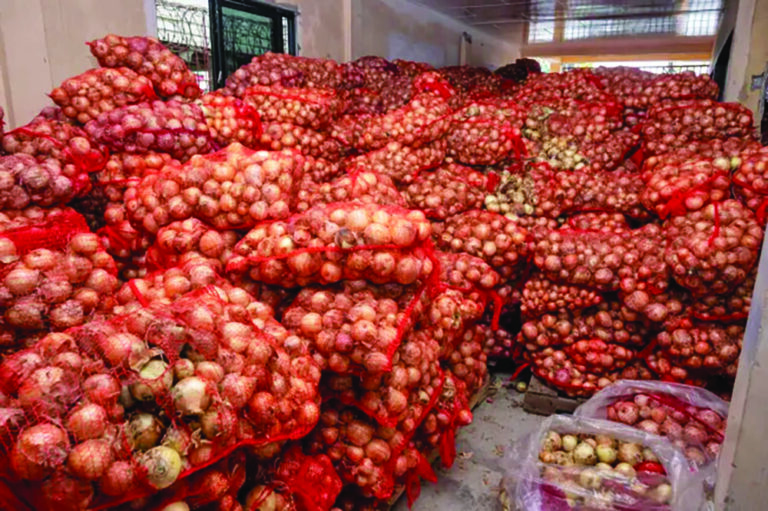
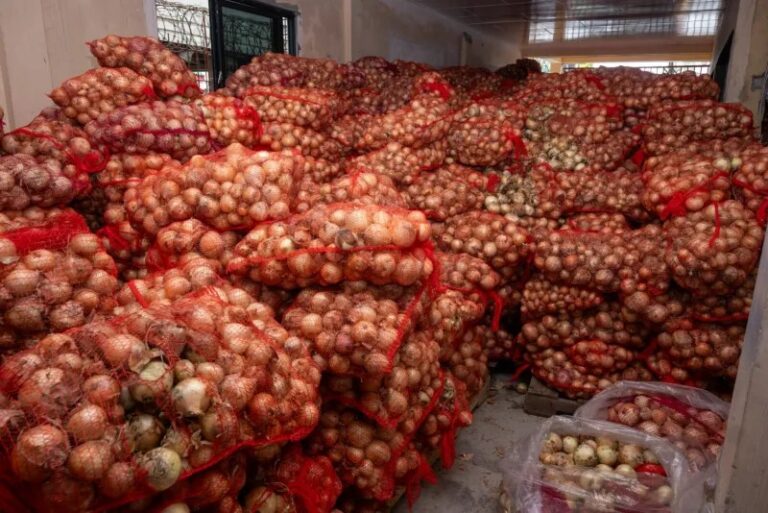
Approximately 2000 bags of onions stored for distribution across Guyana

The initial pilot project in Region Nine, Upper Takutu-Upper Essequibo, recorded a harvest valued at more than $15 million, demonstrating the potential for local onion cultivation to contribute to the country’s food supply.

Minister Mustapha said the initiative forms part of a broader crop diversification drive that includes corn, soya, broccoli, cauliflower, carrots and lettuce, among other high-value crops.

Onions harvested at Manari Creek, Lethem

He noted that farmers are embracing the integrated farming approach and encouraged interested persons to contact the National Agricultural Research and Extension Institute (NAREI) to explore opportunities to cultivate onions.

The government is prepared to support farmers who wish to enter the sector, including those with relatively small plots of land.

“I have already passed instructions that as long as they have an acre or two, we’ll work along with them. We will try as much as possible to provide the planting material, and we will give them all the technical guidance so that they can come on board,” Minister Mustapha said.

Through the expansion of onion cultivation and support for farmers, the government is seeking to strengthen domestic production capacity and move Guyana closer to meeting its onion needs without depending on imports.

This move forms part of the Caribbean Community’s (CARICOM) target of reducing the region’s food import bill by 25 per cent by 2030. [DPI]

Discover more from INews Guyana

Subscribe to get the latest posts sent to your email.


Source: INews Guyana

Growing MICE tourism market creates new opportunities for Guyanese businesses

0


Guyana’s expanding meetings, incentives, conferences and exhibitions (MICE) tourism market is creating new opportunities for local businesses, with more than 20 conferences and exhibitions hosted in 2026.

Director of the Guyana Tourism Authority, Kamrul Baksh, highlighted the sector’s growing contribution to the tourism industry while addressing the State of the Industry Conference (SOTIC) 2026, noting that the benefits extend beyond hotels and conference venues to restaurants, bars and other complementary services.

“When we have the discussions with the restaurants and bars, and the complementary services for tourism, they are experiencing a lot of the benefits, so they want to see more of this market,” he explained.

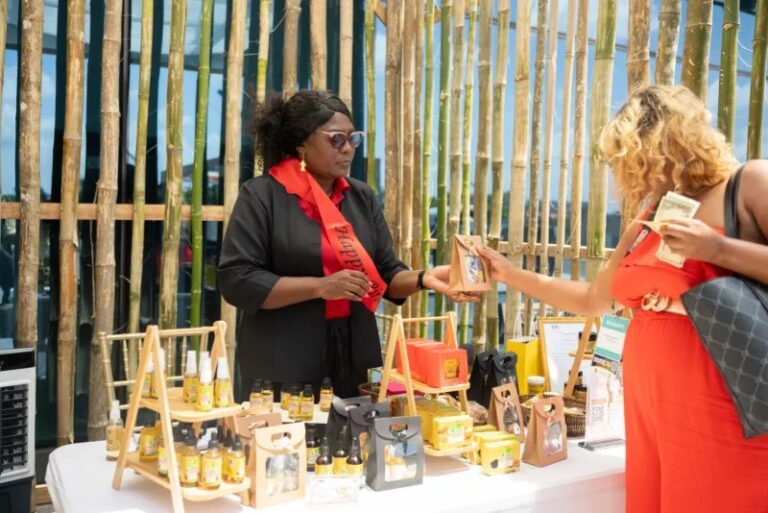
Towatuma women’s group at the SOTIC 2026 conference

The growth in conference tourism is providing opportunities for businesses across the wider economy, as delegates require accommodation, transportation, food, entertainment and other services during their stay.

This creates potential for increased sales and income for local entrepreneurs while supporting employment across the tourism and hospitality sectors.

He highlighted that Guyana hosted over 20,000 attendees, including more than 12,000 persons who travelled specifically for conference-related activities.

The market is also creating opportunities for Guyanese tourism operators to showcase the country’s attractions and develop partnerships with international visitors and industry stakeholders.

As Guyana hosts more regional and international events, local businesses can use these engagements to promote their services, establish new business relationships and attract future visitors.

The director noted that Guyana must continue investing in key tourism markets to attract more conferences and exhibitions, while developing additional experiences that encourage delegates to explore the country beyond their official engagements.

He emphasised the importance of providing activities for visitors, pointing to the need for continued product development alongside improvements in accommodation and connectivity.

The expansion of the MICE market is taking place as Guyana’s tourism infrastructure continues to develop, with close to 6,000 hotel rooms projected by the end of 2026 and additional hotels expected to enter the market after this year.

The growth in accommodation capacity, together with increased air connectivity, is expected to strengthen Guyana’s ability to host larger events and accommodate more visitors, while creating further opportunities for businesses to benefit from tourism expenditure. [DPI]


Discover more from INews Guyana

Subscribe to get the latest posts sent to your email.


Source: INews Guyana

Works on new US$20M Parika Ferry Stelling project advance

0

– weight cap on cargo lifted as diversion route completed

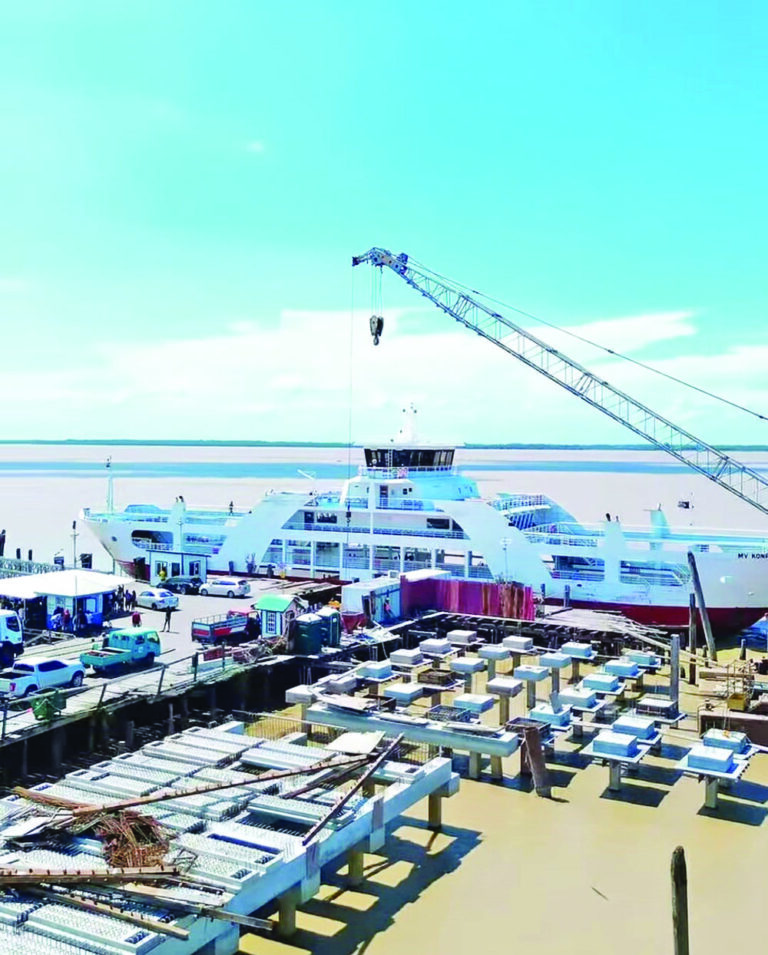
The transformation of the Parika Ferry Stelling into a modern, state-of-the-art port and waterfront development continues to take shape, with significant progress being achieved at the site.
Minister of the Ministry of Public Works, Madanlall Ramraj, on Saturday inspected the ongoing works at the US$20 million Parika Modern Port and Waterfront Development Project.

Construction works at the Parika Modern Port and Waterfront Development Project advancing

He was accompanied by the Minister within the Ministry of Agriculture, Vickash Ramkissoon.
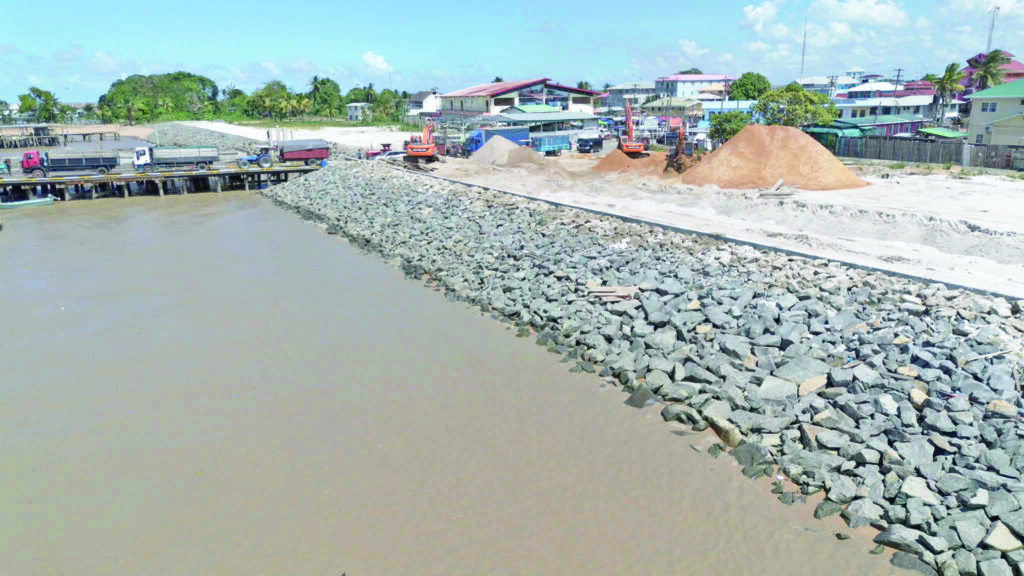
According to Ramraj, river defence works have significantly advanced, with the area now fully sealed to protect against flooding. “Construction of the stelling is approximately 15 per cent completed, with pile cap works underway ahead of the installation of precast beams.”
In addition, the temporary diversion timber jetty has been completed, allowing cargo exceeding 20 tonnes to once again be transported through the facility.
Construction of the diversion route became necessary after structural deficiencies were identified in the existing timber jetty at the Parika/Supenaam Stelling, resulting in the imposition of a load restriction.
The Public Works Ministry had said the 20-tonne restriction on the loading links span bridge was to ensure the safety of vehicles utilising the ferry service due to the current rehabilitation works at the Parika Stelling.
The new temporary facility is designed to safely accommodate the loading of trucks exceeding 20 tonnes onto roll-on/roll-off (RoRo) vessels. The works done also included the upgrading of the tarmac on the southern side of the jetty to facilitate the safe manoeuvring, staging, and loading of heavier trucks.
These works offer massive relief for truck operators while supporting the restoration of normal operations along the Parika-Supenaam route. In fact, truck operators in Region Two had raised concerns over the reduced allowable tonnage and its impact on the transportation of goods and commercial operations, thus prompting the diversion route.

The completed diversion route being utilised by heavy-duty vehicles

However, the Government continues to push ahead with critical works to modernise the major transport facility at Parika and strengthen connectivity. “This major investment is about building a safer, stronger, and more efficient ferry facility that will better serve thousands of commuters, businesses, and communities for years to come,” Ramraj said following Saturday’s visit.
To advance the construction of the new Parika Ferry Stelling and Waterfront Development Project, the Government allocated the sum of $2.2 billion in Budget 2026.
With completion set for 2028, this project will transform the old Parika Stelling into an international port of entry and a major regional hub for tourism, agriculture, and shipping.
In June 2025, a contract was awarded for the first phase of the new US$20 million Parika Ferry Stelling and Waterfront Development Project. Phase one of this project includes foundation works and river defence, totalling more than $4.5 billion. Executing the first phase of works are contractors Gaico Construction, Toolsie Persaud Limited, and A&S General Contractors.
Before the project design was approved, consultations were held with all stakeholders, including farmers, minibus drivers, taxi drivers, boat operators, and businesses – essentially all agencies that currently operate from the area.
Additionally, the Government also engaged residents along the Parika Sea Dam, East Bank Essequibo, with the aim of relocating them in order to facilitate the Parika Waterfront development.
During a visit to the area back in March, Housing Minister Collin Croal assured the families that the relocation process would be conducted in a fair and orderly manner. He noted that the Ministry has engaged extensively with affected residents throughout the process and has received cooperation from the majority of households.
As part of the initial groundwork for the relocation initiative, on August 22, 2025, a joint team comprising representatives from the Public Works Ministry, the Agriculture Ministry, and the Sea and River Defence Commission conducted a site visit at the Parika Waterfront Informal Settlement to inventory households occupying the area earmarked for development.
During that assessment, 42 structures were identified, representing 36 households slated for relocation. Of these, 36 households were deemed eligible for house lot allocations, while the remaining occupants were found to have already benefited from previous allocations based on CH&PA’s records.
Significant progress has since been made in the allocation of house lots to affected families in order to allow for their relocation.
Meanwhile, phase two of the Parika waterfront development project will see the establishment of a marina for yachts arriving from the Caribbean and around the world.
Additionally, the entire waterfront will also be developed for entertainment and restaurants, providing tourists access to Essequibo’s rich, untapped beauty and biodiversity.
The modern international port facility at Parika is one of several critical transport upgrades being implemented nationwide to support Guyana’s economic expansion, regional connectivity, and tourism development. The development of the Parika port ties into the Government’s goals of positioning the country as a key expedition cruise hub destination.


Discover more from Guyana Times

Subscribe to get the latest posts sent to your email.


Source: Guyana Times

New CJIA Terminal 2 designed to showcase Guyanese culture, heritage – Pres Ali

0

– says Guyana investing in new era of airport experience

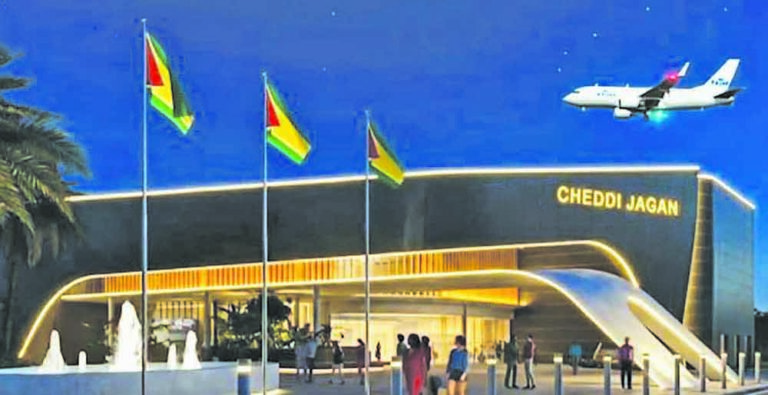
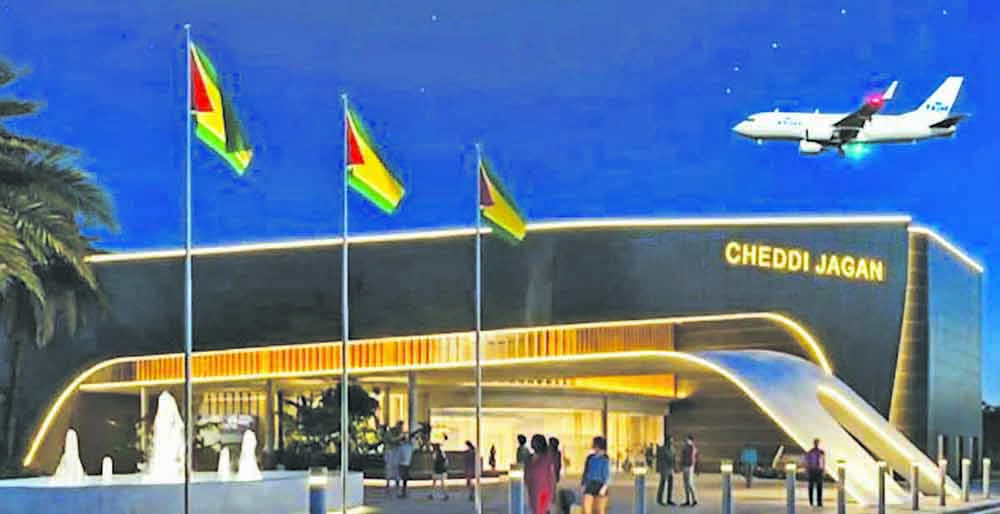
President Dr Irfaan Ali says that the new terminal two building being constructed at the Cheddi Jagan International Airport (CJIA) will not only enhance capacity and efficiency at the main port of entry but is being designed as a gateway to Guyana’s rich cultural tapestry to add to the passenger experience.
The Head of State made these remarks during the Caribbean Tourism Organization’s State of the Tourism Industry Conference (SOTIC) 2026 that was held in Georgetown last week.
Addressing hundreds of Government officials, investors, and tourism stakeholders from across the Caribbean, President Ali pointed out that modern tourism requires undertaking projects that are fundamentally different from the traditional approach to investments.
“When we conceptualise a project today, we must be building for resilience, building for the market, building for experience, building for expectation, and building for storytelling,” he stated, adding that Guyana has already taken a step towards this direction with the CJIA expansion project.
According to the Guyanese leader, “An airport today is not an airport of yesterday. It’s not an airport for persons to come in and go out. The airport itself must be able to tell a story and present a picture. That is why you are seeing tremendous investment in airports and air hubs that allow an experience to be had.”
“Here in Guyana, we embrace this change. That is why we are investing in Terminal Two [at the CJIA], not only as a new terminal, but as a terminal that will tell the story of Guyana and where Guyana aspires to be.”
The modern 180,000-square-foot, three-storey Terminal Two will showcase Guyana’s natural and cultural beauty, as well as feature duty-free zones, retail opportunities, rental offices, and lounges. With this new building, the CJIA will be able to dedicate separate buildings for arrivals and departures.

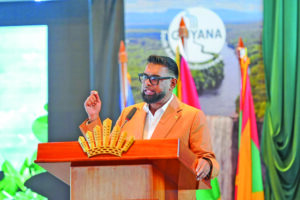
President Dr Irfaan Ali

The sod for the CJIA Terminal Two Building was turned in August 2025, and construction commenced earlier this year by BHM Construction Inc. out of the United Kingdom (UK) in collaboration with the largest airport group known for world-class operations within the global aviation sector, Manchester Airport Group Ltd – both of which are teaming up on the facility’s design and construction.
The project is being financed in part by the United Kingdom Export Finance (UKEF), which has offered Guyana a credit loan ceiling of up to a whopping £3 billion. In Budget 2026, the Guyanese Government had set aside some $3.2 billion to advance the construction of Terminal Two, which is slated to be completed before the end of 2028.
Complementing the construction of Terminal Two are several other major projects currently underway at the airport. These include relocating the air traffic control tower to the opposite side of the airfield, a move that will free up valuable space for additional aircraft parking.
The airport is also set to benefit from a new inline baggage handling system equipped with additional scanners and cameras, as well as the introduction of off-site check-in services. Further developments include a modern VIP lounge, upgraded tarmac facilities, and expanded administrative offices.
These upgrades are intended to streamline operations and provide a more seamless experience for travellers. The expansion comes in response to the airport’s rapid growth and increased traffic since 2020.
Between 2020 and 2025, CJIA recorded sustained double-digit growth, with passenger movements increasing by 433 per cent. In fact, last year, the airport processed 973,016 passengers – a 14 per cent increase over the 856,831 passengers in 2024.
For 2026, Guyana recorded 360,623 visitor arrivals during the first nine months of the year.
This unprecedented influx aligns with efforts by the Government to position the country as a leading aviation hub in the region.

Just last month, Guyana hosted the The International Civil Aviation Organization (ICAO)/ European Union Aviation Safety Agency (EASA) Third Global Regional Safety Oversight Organizations (RSOO) and Regional Accident and Incident Investigation Organisations (RAIO) Forum on Aviation Safety, during which President Ali disclosed that the country is seeking a major international airline to establish a hub at the CJIA’s new terminal building.
According to Ali, the Ministry of Public Utilities and Aviation was given the mandate to begin discussions with major international carriers interested in using the new terminal as a base for regional and international connections. The Government is targeting airlines capable of using Guyana’s geographic position to facilitate connections to South America, the Caribbean, and Africa.
“We are looking now for a partner in Terminal Two, someone who will take Terminal Two as their hub, their global hub… We are mandating the Ministry to begin negotiations with all the big players who want to use Terminal Two as their hub, whether it’s to West Africa, South America, or connected to the Caribbean. We are ready to finalise those negotiations,” the President declared.


Discover more from Guyana Times

Subscribe to get the latest posts sent to your email.


Source: Guyana Times

Guyana targets 500 acres of onion production to end imports by year-end

0

as cultivation expands to 4 regions

Guyana is aiming to end onion imports by the end of this year as the Government expands local production, with Region Nine expected to lead cultivation alongside Regions Two (Pomeroon-Supenaam); Five (Mahaica-Berbice) and Six (East Berbice-Corentyne).

Approximately 2000 bags of onions stored for distribution across Guyana

Agriculture Minister Zulfikar Mustapha said the country is targeting approximately 500 acres of onion cultivation as part of efforts to meet domestic demand through locally grown produce.
“At the end of this year we will not import any onions. Region Nine will produce all the bulk of our needs, plus Region Two, Region Five and Region Six,” the Minister said.
Guyana began onion production as part of an integrated farming approach aimed at diversifying agricultural output, reducing reliance on imported produce and creating additional income opportunities for farmers.
The initial pilot project in Region Nine, Upper Takutu-Upper Essequibo, recorded a harvest valued at more than $15 million, demonstrating the potential for local onion cultivation to contribute to the country’s food supply.
Mustapha added that the initiative forms part of a broader crop diversification drive that includes corn, soya, broccoli, cauliflower, carrots and lettuce, among other high-value crops.
He further noted that farmers are embracing the integrated farming approach and encouraged interested persons to contact the National Agricultural Research and Extension Institute (NAREI) to explore opportunities to cultivate onions.
The Government is prepared to support farmers who wish to enter the sector, including those with relatively small plots of land.
“I have already passed instructions that as long as they have an acre or two, we’ll work along with them. We will try as much as possible to provide the planting material, and we will give them all the technical guidance so that they can come on board,” Minister Mustapha said.
Through the expansion of onion cultivation and support for farmers, the Government is seeking to strengthen domestic production capacity and move Guyana closer to meeting its onion needs without depending on imports.
This move forms part of the Caribbean Community’s (CARICOM) target of reducing the region’s food import bill by 25 per cent by 2030.


Discover more from Guyana Times

Subscribe to get the latest posts sent to your email.


Source: Guyana Times

Police reissue wanted bulletins for suspects in murder of Cuban national

0

Days after surrendering

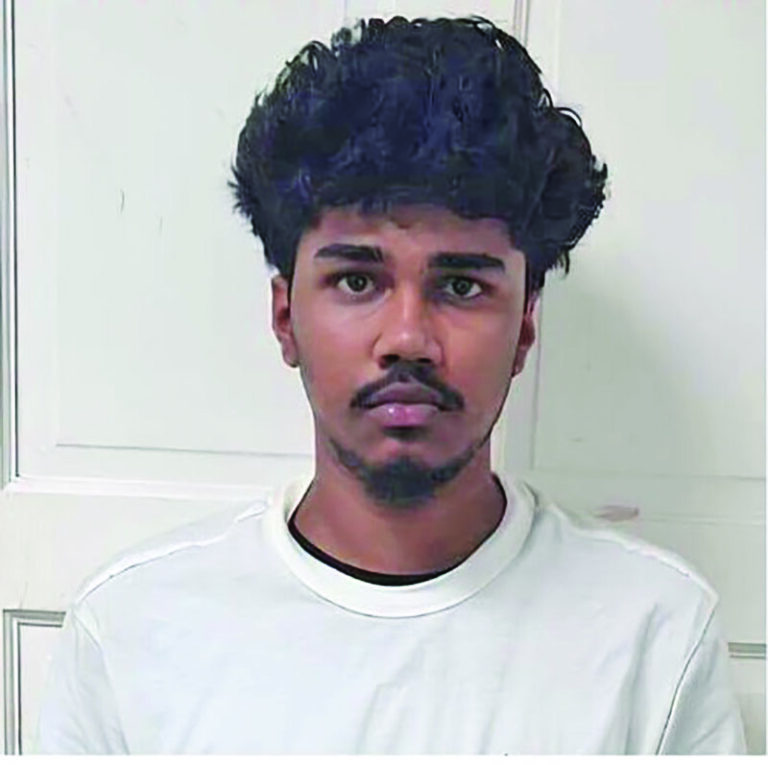
Almost two weeks after two men wanted in connection with the murder of 23-year-old Cuban national Dainier Vegas Infante had reportedly surrendered to the Police, the Guyana Police Force (GPF) has again stated that they are wanted for questioning in relation to the killing.

Wanted: Nicholas Daby
Wanted: Makhail Mario Joseph11

Eighteen-year-old Nicholas Daby and 26-

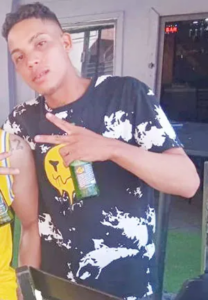
Murdered: Dainier Vegas Infante

year-old Makhail Mario Joseph reportedly turned themselves in at the Brickdam Police Station on October 2, 2026, accompanied by their respective attorneys, Siand Dhurjun and Meshonn Persaud.
Nevertheless, the GPF on Saturday issued new wanted bulletins for their arrest.
It was reported that apart from Daby and Joseph, wanted bulletins were issued for 33-year-old Olofi De Santos of Bagotville, West Bank Demerara (WBD); 28-year-old Jermaine Castello of Vigilance, East Coast Demerara (ECD); and 36-year-old Rodrick Thomas of William Street, Kitty, Georgetown.
Vegas Infante was shot dead out of a bar at Forshaw Street, Queenstown, Georgetown, when four males were seen arriving in the area shortly before the shooting.
One of the suspects, who was armed with a handgun, reportedly approached two men who were seated outside the business place and engaged them in conversation.
Investigators said Infante later exited the building and walked toward the group when the armed suspect allegedly discharged a round in his direction. The Cuban national was struck and fell to the ground.
The gunman reportedly escaped in a motor vehicle along Forshaw Street, while the other suspects fled separately.
Detectives had reportedly identified and intercepted a motor vehicle believed to have been linked to the fatal shooting. The vehicle suspected to have been used in the shooting was impounded.


Discover more from Guyana Times

Subscribe to get the latest posts sent to your email.


Source: Guyana Times

Guyana nears 6000 hotel rooms by year-end – GTA Director

0

… says 15 new hotels expected post 2026

Guyana’s hospitality sector is expected to reach nearly 6000 hotel rooms by the end of 2026, with another 15 hotels projected to come on stream after this year as the country continues to expand its tourism market.
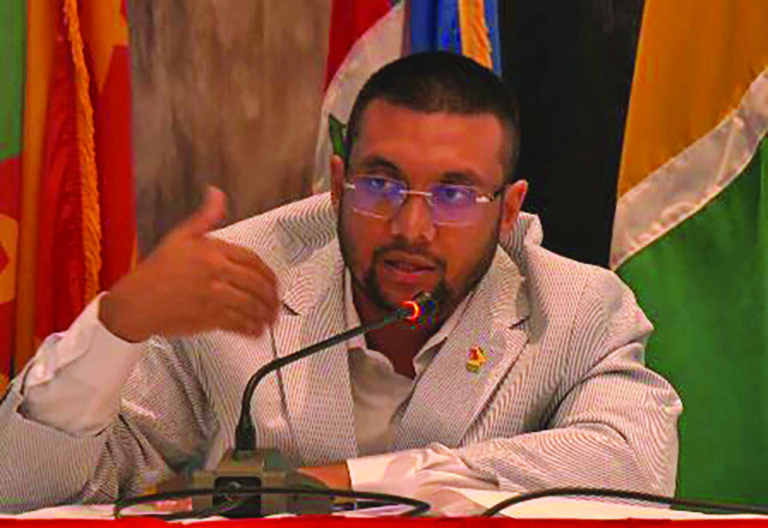
This was revealed by Director of the Guyana Tourism Authority (GTA) Kamrul Baksh during the recently concluded State of the Tourism Industry Conference (SOTIC) 2026. The conference, which was hosted in Guyana, brought together more than 300 delegates from across the Caribbean and beyond for a week of discussions, knowledge-sharing, and collaboration.

GTA Director Kamrul Baksh

“This here is the growth of the accommodation market, so if we are to accommodate additional visitors, we, of course, need rooms. That’s just simply logical, and as you could see, we had a relatively small number of rooms as of 2020. But because of an aggressive investment strategy by the Government, you can see what the expected number of rooms will be like by the end of 2026 – close to 6000 rooms – and that is pretty strong,” Baksh stated.
He added that another 15 hotels are expected to come online after this year, further expanding the accommodation sector as Guyana develops its Meetings, Incentives, Conferences, and Exhibitions (MICE) market, as well as diaspora travel and leisure tourism.
“We, of course, are expecting an additional 15 hotels to come on board post this year, so that is only going to continue to expand as we build out the MICE market and continue to build out on the diaspora travel and leisure, of course.”
Baksh also highlighted the importance of training and developing the local workforce to meet the demands of the expanding tourism industry. “At the heart of this, Guyana is at a place where we need to upscale our people at scale, and to this point, we have started that investment. We have signaled a great intention to take this to the next level through the establishment of the Hospitality and Tourism Institute, and that is going to be completed by the end of this year so our people could be trained, and they could then go back out into the industry and exercise those skill sets to provide great service delivery. That is something that we think is very, very crucial if we are to expand tourism here in Guyana.”

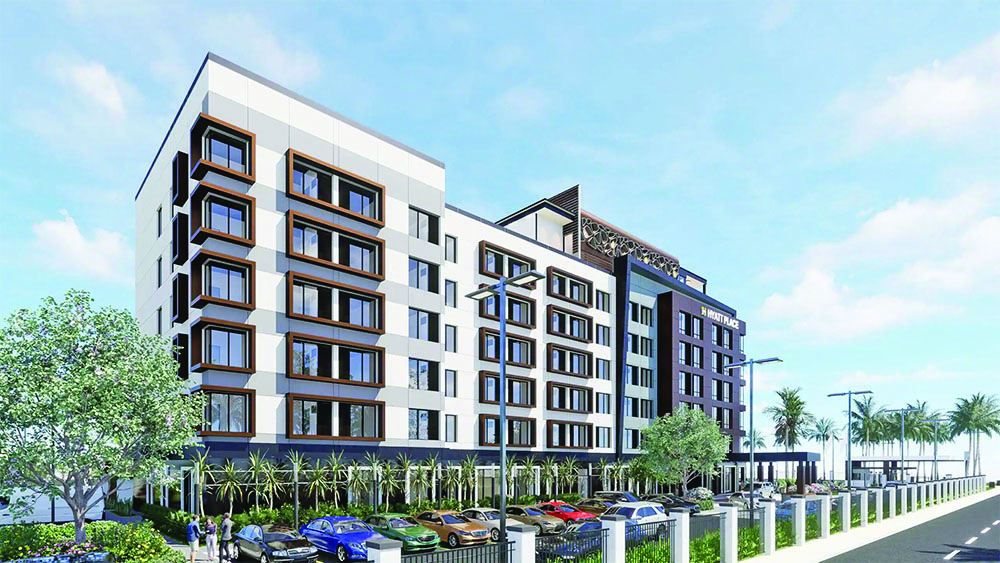
One of the hotels under construction

He explained that visitors attending conferences or traveling for leisure were increasingly looking for activities and experiences during their stay. “It is very good because when people are coming to the conferences, when they are coming for leisure, or whatever type of travel, they want activities, activities, activities, activities, so that is very, very important,” he said.
Baksh further noted that attracting more airlines would require improvements to airport infrastructure and passenger-handling capacity. He pointed to the Government of Guyana’s investment in a new airport terminal, Terminal Two, which is expected to increase capacity and enable the country to accommodate more airlines.
Looking ahead, he said sustainability, community development, service quality, connectivity and capacity, along with the creation of new tourism products and experiences, would remain central to the sector’s expansion. “Whatever we do in the tourism industry, it has to be for the people. It has to be for the people, it has to be for the community. We want to ensure that the people of Guyana benefit from this, and that is going to be the hallmark, you know, as we expand tourism in the next few years. Quality and service, I spoke about that. Connectivity and capacity, we need to build out that, so that we can grow, and of course, new products and experiences, so that we can give people, you know, more reasons to come to Guyana,” Baksh said.
Only recently, this publication reported that GTA Director Kamrul Baksh highlighted at the 2026 SOTIC event that approximately 80 new tours and experiences had been launched across the country over the past six years. “So, the capacity building is absolutely important. I spoke about diversifying the product portfolio, so within the last, I would say, last six years, we launched about 80 tours, 80 new experiences all across Guyana, from food experiences to adventure products to nature products, in all the major tourism circuits. I think we have done a very good job in partnership with the private sector as well. I want to at this time shout out to the private sector, and kudos for bringing additional experiences to the market,” Baksh said.


Discover more from Guyana Times

Subscribe to get the latest posts sent to your email.


Source: Guyana Times

The whole truth must be told

0

Dear Editor,
The recent passing of Robert Corbin in October 2026 must be commiserated, if only from a basic human standpoint, as death naturally ushers in a period of reflection and pause. However, with his life’s journey now concluded, I feel compelled to offer a few remarks. Why? Because it is vital for the Guyanese public to accurately contextualise Corbin’s legacy, given the significant, albeit diabolical, role he played in our nation’s history.
Predictably, we are currently witnessing a concerted effort by those within the fraternity of the People’s National Congress Reform (PNCR) to “gloss up” his image. They are fiercely promoting the narrative that he was an astute statesman, a great politician, and a man above reproach. Yet, there remains a sombre and undeniable reality concerning his political life. I posit that Corbin’s true legacy is deeply steeped in democratic subversion, a culture of systemic corruption, and an absolute ruthlessness – to the extent that he was heavily implicated in a major rape scandal.
We must recall that Corbin’s career was birthed and nurtured within the oligarchy created by Linden Forbes Sampson Burnham. Rising to become a close confidant and a literal “creation” of Burnham, Corbin actively aided and abetted the consolidation of the PNC dictatorship. He was an indispensable element in the party machinery that engineered the widely condemned and heavily rigged national elections of 1968, 1973, and 1980. Corbin was at the centre of operations throughout this era, contributing significantly to the dismantling of Guyanese democracy and serving as one of Burnham’s primary vanguards in stealing the franchise from citizens for decades.
Between 1966 and 1977, Mr Robert Corbin rose rapidly through the PNC ranks into the upper echelon, becoming the National Chairman of the Young Socialist Movement (YSM) – originally the PNC Youth Organisation. Under Burnham’s dictatorship, this arm was far more than a political brotherhood; it functioned as a paramilitary-style tool, weaponised to enforce party dominance and systematically suppress opposition voices.
During the controversial national elections of 1968, 1973, and 1980, this dreaded youth arm served as a vital instrument for election-day operations. Corbin utilised his administrative prowess and mobilisation fervour to galvanise his youth brigades, leveraging state machinery to insulate the PNC from opposition resistance, while Burnham was left unencumbered to engineer massive and repeated electoral frauds.
Editor, so deeply ingrained was Corbin’s proclivity for rigging that he manifested his “real self” again decades later during the infamous 2009 PNCR Internal Congress. At this juncture, when he was challenged for party leadership by the highly favoured Winston Murray, Corbin resorted to the exact same tyrannical tactics he had mastered in his youth as a Burnham devotee. His camp weaponised massive internal fraud, deliberately blocking genuine party delegates and supporters from entering the Congress to manipulate the voting outcome.
By disenfranchising his own party members to secure power, Corbin deeply fissioned the PNCR, proving his ultimate loyalty had descended to a state of being an obsessive narcissist whose personal survival transcended the democratic process, even within the very group that bred him.
Editor, moving from the ballot boxes, I now come to an even darker chapter of criminality and violence in Corbin’s CV. In the late 1980s, while serving as a senior Government Minister, Corbin was accused of raping a young woman. Predictably, the case was quietly dropped by the Director of Public Prosecutions (DPP) after the complainant reportedly refused to testify. It remains a horrifying testament to how the powerful evaded justice during that era.
To provide vital historical context, the collective opposition at the time – the PPP and the WPA – publicly argued that the lines between the ruling PNC and independent state institutions like the DPP’s office had been deliberately blurred. They accused the Administration of utilising the “reluctant witness” narrative as a convenient legal loophole to quietly shield a sitting Government Minister. Because the DPP possessed absolute, independent constitutional authority to discontinue criminal cases, the opposition could not easily launch a direct legal override in the courts. Instead, leaders like Eusi Kwayana demanded that the DPP file be made public, calling for open transparency on exactly why a subpoena was not issued to compel the complainant to take the stand.
Finally, we must look at the late 1990s and early 2000s, an era when Corbin weaponised aggressive “street politics”. He repeatedly orchestrated disruptive protests and instigated public disorder to deliberately destabilise the Government at a time when democracy had finally been restored to Guyana but still had to be fiercely defended.
As Guyana looks back on his passing, we must remember the complete history – not just the sanitised versions being offered today.
Yours truly,
Raymond Anderson


Discover more from Guyana Times

Subscribe to get the latest posts sent to your email.


Source: Guyana Times

Land of six races

0

Dear Editor,
“One People, One Space, One Destiny”. This caught my attention as I listened to the address of the Prime Minister of Burkina Faso to the General Assembly of the United Nations.
The audience of international delegates, and indeed the world watching on television, was told that those words comprise the motto of the Confederation of Sahel States. The aspiration, in 2016, is to further galvanise the peoples of three African nations belonging to different tribes into thinking and acting as one Confederation.
Guyana’s national motto, like others created in the 1960s as Great Britain relinquished colonial control over countries that today form the Commonwealth of Nations, reflects the coloniser leaving with goodwill and handing over to independent people the stable polity colonial management had created. Guyana’s “One People, One Nation, One Destiny” could easily have been Jamaica’s “Out Of Many, One People”.
Our national motto was not seriously intended to do more than congratulate the United Kingdom for giving the people of the former British Guiana the English language, the English education system, a British-styled civil service, and not driving on the right side of the road – but on the correct side! Unlike the AES’s motto coined in 2026 out of patriotically founded and supported military takeovers, our national motto neither generated nor fostered feelings of unity amongst Guyanese as one people over the past 60 years since independence.
It is good that we have continued to acknowledge we are a land of six races – perhaps not the same six as in 1966 – for our Portuguese-heritage brothers and sisters have never considered themselves White, although they are ever conscious that despite arriving as indentured servants, their European origin and pale skin afforded them many practical social benefits.
Guyana’s sixth race today is, in reality, made up of all who have any racial mix of Guyanese blood. Most “Puddagee” Guyanese are indeed mixed with a drop of some other Guyanese heritage.
To develop onwards and upward from this good starting position towards a true unity of Guyana’s sons and daughters, a unity that goes beyond the inherited British institutions that are an indelible part of what Guyana is, we need to truly aim to see ourselves as one Guyana.
Yes, One Guyana encompasses it all – One People, One Nation, One Destiny – in an easy two-word expression which, when uttered or even thought of, feels like Oneness… like togetherness… like just what it means: One Guyana.
Yours truly,
Ronald Bostwick


Discover more from Guyana Times

Subscribe to get the latest posts sent to your email.


Source: Guyana Times

Robert Corbin and Shared Governance

0

Robert Corbin, who passed on October 4, the day before the anniversary of the return of free and fair elections in Guyana in 1992, played an outsized role as a leader of the PNC in politics before and after that date. By the time I returned in 1988 to represent the NY-founded “Jaguar Committee for Democracy” and join the local struggle for electoral reform, Robert had become indispensable to Desmond Hoyte’s campaign to solidify his leadership of the PNC.
In the 1985 elections, he reprised the role he had played in the party since he was a teenager, working assiduously as a member, then leader, of the party’s youth wing, the YSM, to organize majorities for the PNC in the polls of 1968, then in 1973 and 1980 for Forbes Burnham. Missing a parliamentary seat because of his age in 1968, he was handed one in 1973 and occupied it for over three decades. He earned a formidable reputation as a street politician, feared only slightly less than Hamilton Green, who was eased out of the party after Hoyte calculatedly rewarded Corbin with the Deputy Prime Ministership and transferred several PM responsibilities to him.
Quite conscious by then of the snobbery of Caribbean “doctor politics, “ Corbin entered law school after the PNC’s loss in 1992 and had just finished his first year at Hugh Wooding when he rushed back to mobilize for the Dec 1997 elections. As such, he would again prove his worth as he subsequently helped organize massive rallies for Hoyte’s violent “mo fyaah; slow fyaah” campaign against Janet Jagan’s presidency.
Elected to Parliament in 2000 on the ROAR ticket after the PNC-bludgeoned, truncated PPP term, I became personally acquainted with Robert as a member of the opposition. Evidently knowing that I was vegetarian (then), he sought me out at a meal break with a particular non-meat dish, which served as an icebreaker to many discussions on several of my pet issues – including reforming and “balancing” the Disciplined Forces. To my surprise, he said he agreed with me but advised that the process would have to be carefully crafted and executed. After he became PNC leader, he vigorously supported the establishment of the Disciplined Forces Commission which, inter alia, would recommend that policy and enabling mechanisms.
Mr. Hoyte’s sudden passing in late 2002 resulted in Robert being elected PNC leader the following March – but not without much drama in the party from several quarters including Mr. Hoyte’s protégé Raphael Trotman and Team Alexander. Not long after, I received a call from Lance Carberry saying that Robert wanted a meeting, to which I agreed, at his home in South GT. I found that Robert was convinced – as Mr. Hoyte had become not long before he passed – that shared governance was the vehicle to resolve our political logjam. I informed him, however, that such a vehicle would suffer from disequilibrium in size if individuals or smaller parties were to join the PNC/R and the PPP was out. He agreed to the latter proposition and emphasized subsequently in discussions that there could be no national government without the PPP.
We parted amicably, and very soon the nation heard that talks between President Jagdeo and Opposition Leader Corbin had commenced as the latter downplayed Hoyte’s “slow fyaah; mo fyaah” strategy. This precipitated greater consternation from within and without the PNC. Sitting next to WPA’s Shiela Holder in Parliament, one day she burst out that “this is not why we put Corbin there…he was supposed to ‘ manners ‘ the PPP.”
Robert believed that Jagdeo would arrive at a modus vivendi with him at power sharing and acted accordingly. He also diligently had discussions at Watercress with the smaller opposition parties like ROAR and WPA. However, sitting next to him in early 2006 at Sash Sawh ‘s funeral at Castellani House, when Jagdeo pointedly mentioned the “intellectual authors” of Sash’s murder, Robert angrily exclaimed, “If I were the old Robert Corbin…!” There was no agreement between them and with Trotman’s AFC siphoning off five seats from Corbin’s PNC/R One Guyana in the 2006 elections, he faced more strident leadership challenges.
Robert stuck to his guns about the PNC needing an accommodative image and by 2010 announced he would not be their presidential candidate for the upcoming elections. He riled party leaders like Aubrey Norton when he engineered APNU’s formation and David Granger’s presidential candidacy. Ironically, he was peripheralized in the new APNU-AFC government, and Granger destroyed his inclusive vision by also sidelining his smaller coalition partners.
Robert Corbin demonstrated it is possible for political leaders to evolve and rise to the needs of their country.
RIP Robert.


Discover more from Guyana Times

Subscribe to get the latest posts sent to your email.


Source: Guyana Times