https://kiskadeewatch.com/guyana/business/gbti-expands-atm-network-to-ac-marriott-hotel/








https://kiskadeewatch.com/guyana/business/gbti-expands-atm-network-to-ac-marriott-hotel/
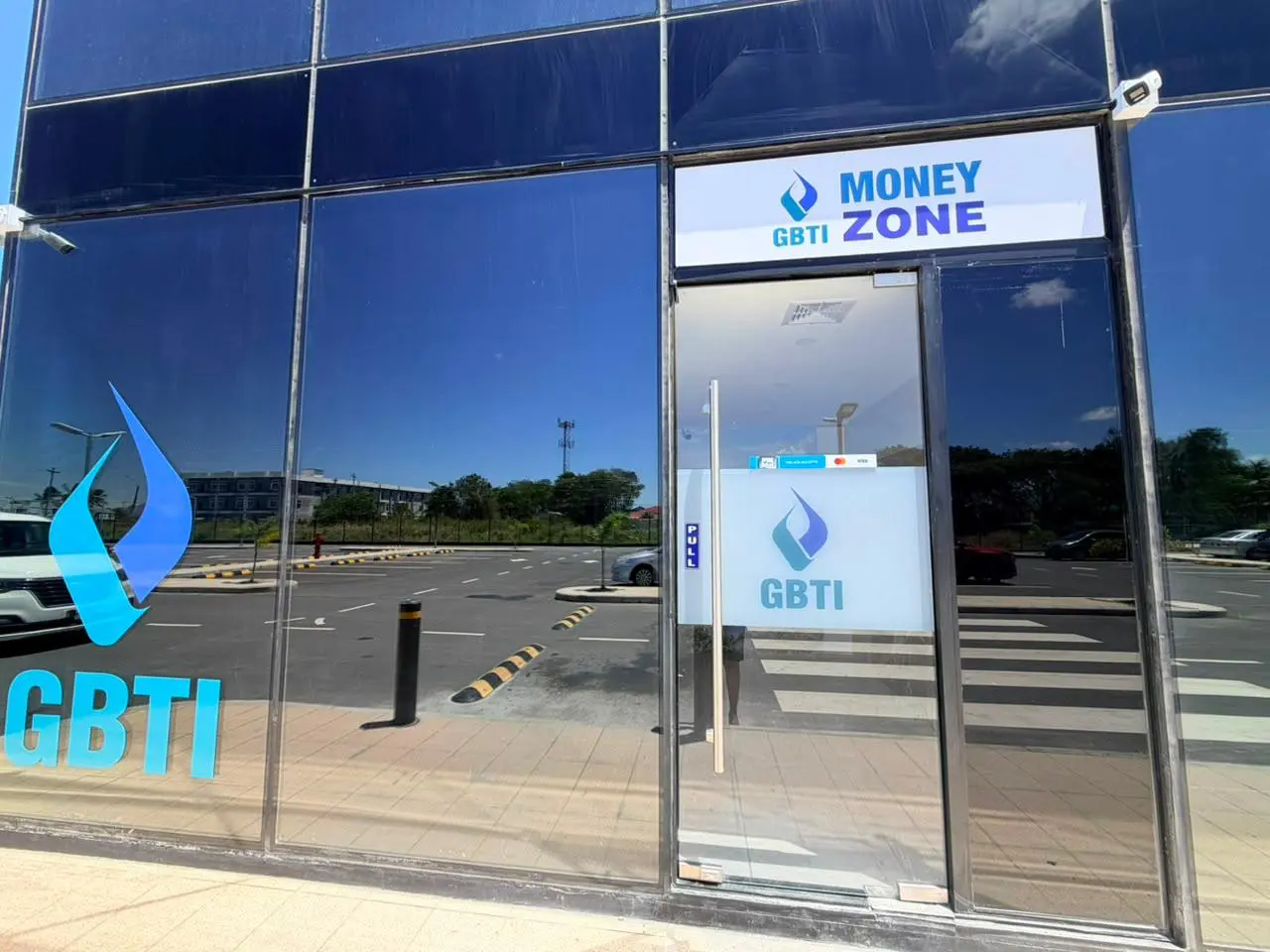
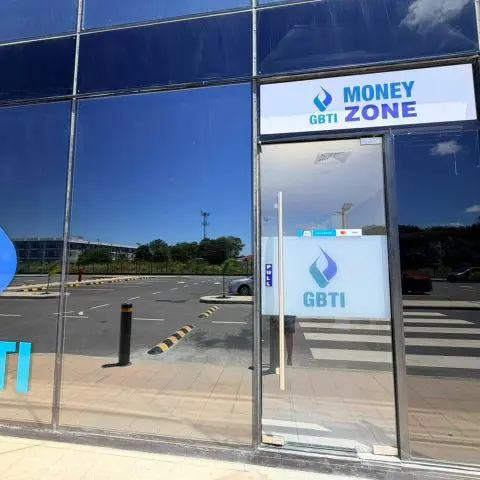
The Guyana Bank for Trade and Industry Limited (GBTI) has expand its banking network through a new Automated Teller Machine (ATM) at the AC Marriott Hotel Georgetown.
A release yesterday from the Bank said that the new ATM provides an additional banking touchpoint within the growing Ogle area, making it easier for persons living, working, travelling and conducting business in the area to access essential ATM services. The Bank said that with the continued development of the East Coast corridor and the expansion of businesses, residential communities, hospitality and commercial activity in and around Ogle, the new location provides customers with greater accessibility to GBTI’s services.
The location at the AC Marriott Hotel also provides an important service point for persons visiting Guyana, particularly guests travelling for business or leisure, the Bank stated. Adding to the convenience, all GBTI ATMs accept both Visa and Mastercard, providing local and international cardholders with greater flexibility and convenient access to cash while in Guyana.
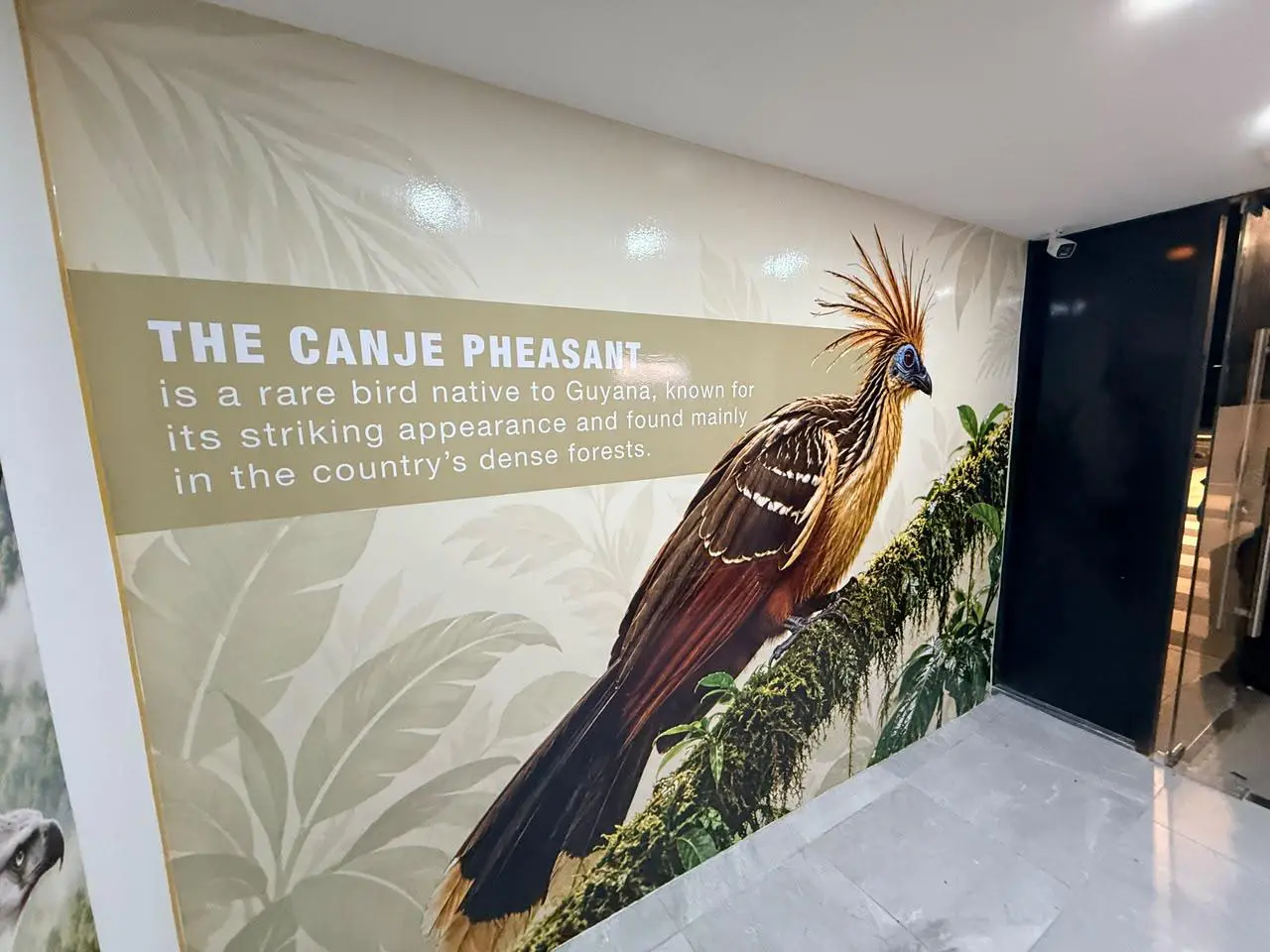
GBTI says it has added a distinctive Guyanese touch to the new installation. The ATM features a wrap showcasing elements of Guyana’s flora and fauna, including the Canje Pheasant, Guyana’s national bird, the Harpy Eagle, and the Giant Water Lily, Guyana’s national flower.
The design forms part of GBTI’s broader initiative to promote Guyana through its ATM network and bank cards.
“By incorporating iconic elements of Guyana’s natural heritage into everyday banking experiences, GBTI is creating greater visibility for the country’s unique biodiversity while showcasing aspects of Guyanese identity to both local and international audiences”, the Bank added.
Source: Kiskadee Watch
https://kiskadeewatch.com/guyana/woman-who-left-guyana-as-a-child-found-fatally-stabbed-in-new-york/

A 31-year-old woman who moved from Guyana to the United States as a child was found fatally stabbed in her Queens, New York apartment on Wednesday, with her boyfriend identified in reporting as the suspected attacker.
Pheona Premraji was discovered at a residence on Neilson Street in Far Rockaway shortly before noon on September 30. Police found her unconscious and unresponsive with multiple stab wounds, and emergency medical personnel pronounced her dead at the scene, according to amNewYork.
The New York Post, citing police and sources, identified her 32-year-old boyfriend as the man suspected of attacking her.
According to amNewYork, officers from the 101st Precinct initially responded to a report of a man on the roof of the seven-storey apartment building at 10-40 Neilson Street.
The man subsequently fell from the roof and was taken to hospital in critical condition. Investigators obtained access to his second-floor apartment with assistance from the building superintendent and found Premraji inside
The newspaper reported that investigators believed the man had stabbed her before attempting to take his own life. Its October 1 report said he remained in police custody and that no charges had been filed as of Thursday morning.
Premraji’s connection to Guyana was described by her cousin, Akbar Khan, in a family account carried by the New York Post.
Khan said her father brought her from Guyana to the United States when she was a child. He recalled that she remained close to her family and visited her father every week.
He said he had spoken with her only days before her death and that they had discussed plans for the following summer.
“He worked so hard… to bring her here, give her an education, send her to college, and then somebody has to take her life,” Khan was quoted as saying.
Police are continuing their investigation. Anyone with information can contact the New York Police Department’s Crime Stoppers service on 800-577-TIPS or submit information through its online portal, amNewYork reported.
Source: Kiskadee Watch
https://kiskadeewatch.com/guyana/gas-station-assault-suspect-fired-from-home-affairs-ministry/
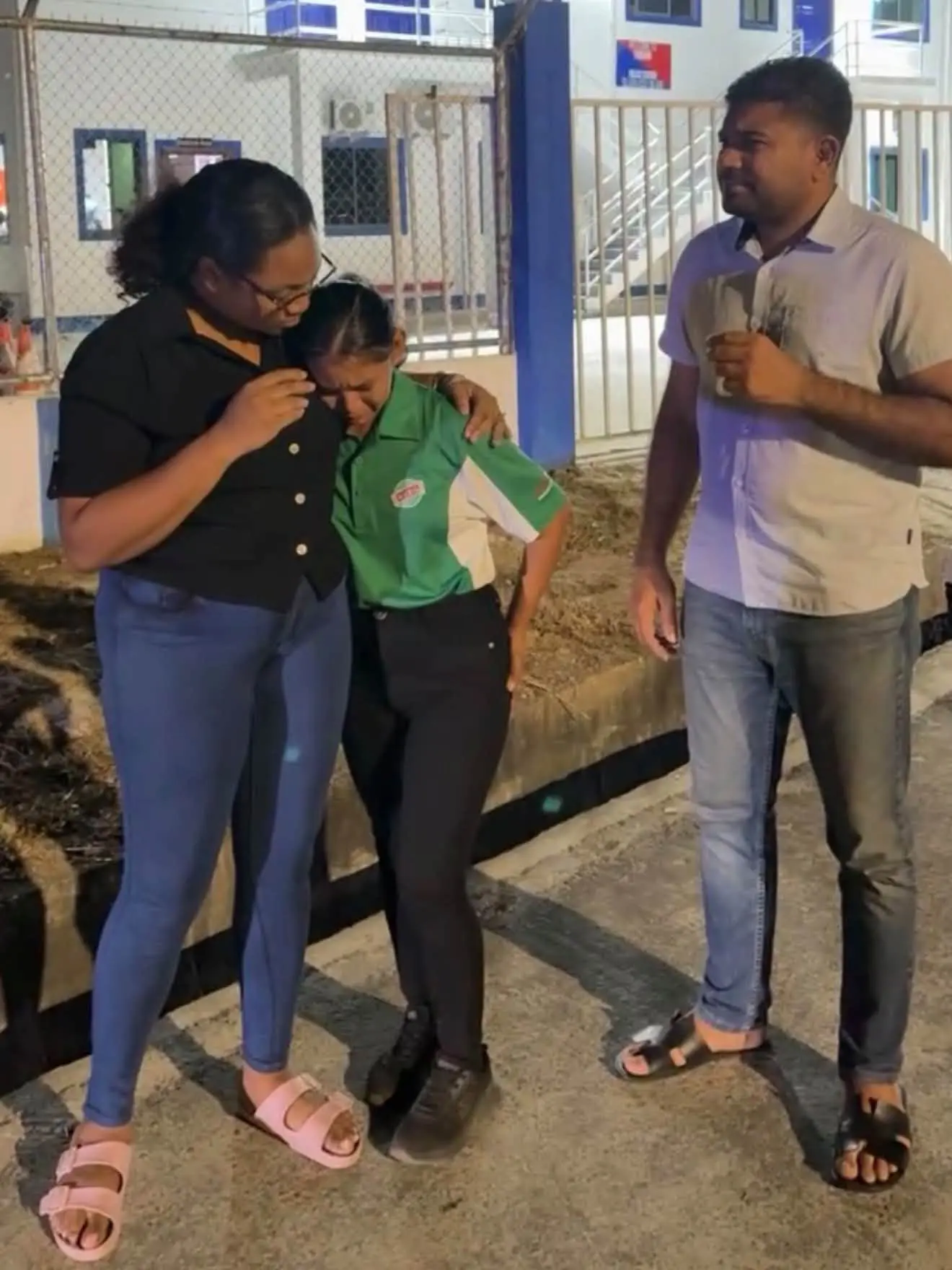
The man caught on camera slapping a young female gas-station employee to the ground after she refused to assist him with loading gas cylinders onto his truck has been fired from his job at the Ministry of Home Affairs.
Minister of Home Affairs Oneidge Walrond confirmed yesterday that she instructed that Andika Ferrier be terminated from his position at the Ministry following the incident.
Ferrier was arrested after the assault, which was captured on video, but was subsequently released on station bail.
Kiskadee Watch understands that he is expected to face criminal charges early next week.
The alleged assault occurred after the victim, Ashley Ramascindo, had assisted Ferrier with the purchase of several cylinders of cooking gas.
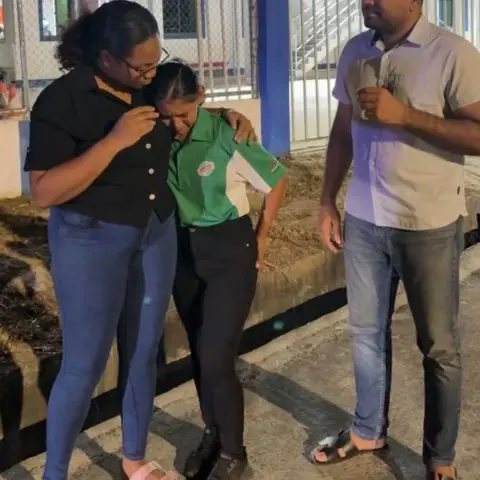
Ramascindo later told Opposition Leader Azruddin Mohamed, moments after filing a police complaint, that she had been left traumatized by the incident.
According to Ramascindo, after completing the sale, she refused to assist Ferrier with loading the cylinders onto his truck and walked away. She said it was then that he slapped her, causing her to fall to the ground.
The young woman reportedly sustained injuries and was taken to hospital after briefly losing consciousness.
Police subsequently arrested Ferrier and informed him of the intended prosecution before releasing him on station bail.
Video footage of the incident has circulated and captured the assault.
Source: Kiskadee Watch
https://kiskadeewatch.com/guyana/miner-remanded-over-arakaka-murder/
-Hampton Court guard charged with attempted murder
A gold miner charged with murder and a security guard accused of attempted murder were remanded to prison yesterday following appearances in separate courts.
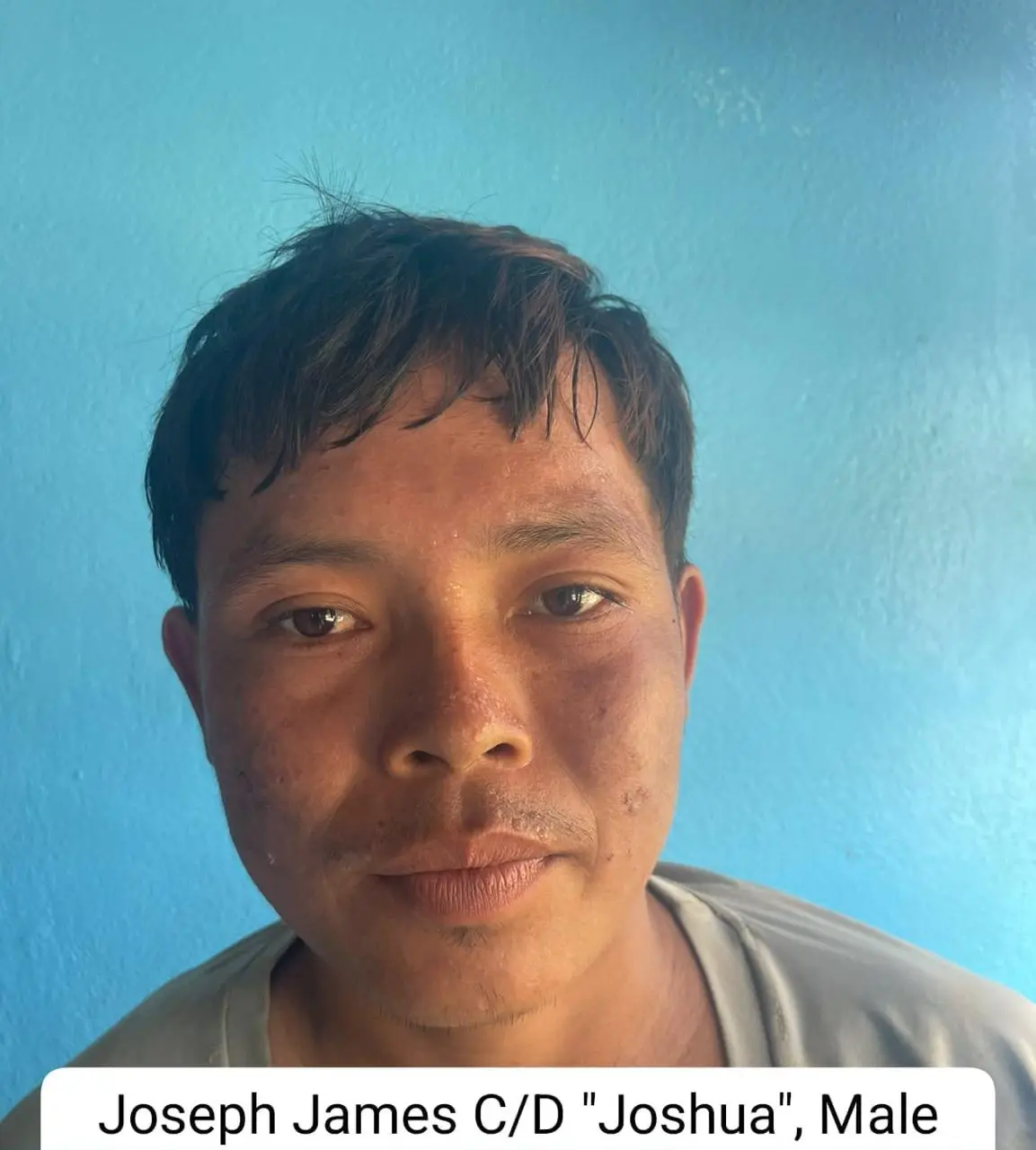
Joshua James, 26, of 14 Miles, Arakaka Backdam, North West District, appeared via Zoom before Magistrate Rabindranauth Singh at the Port Kaituma Magistrate’s Court.
He is accused of murdering Morvin George at 14 Miles, Arakaka, on September 29, 2026. According to police, James was arrested that day and charged on October 2.
He was not required to plead to the indictable charge and was remanded to prison.
In the other matter, Munesh Ramnarine, a 58-year-old security guard of Hampton Court, Essequibo Coast, appeared before Magistrate Ravindra Mohabir at the Anna Regina Magistrate’s Court.
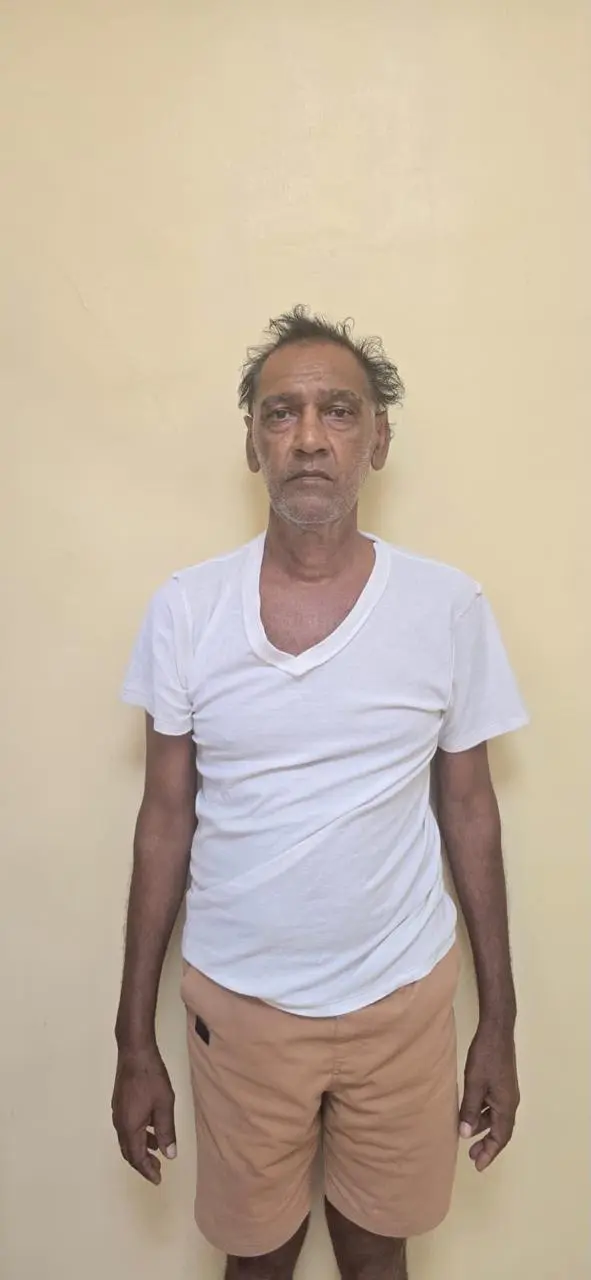
The attempted murder charge stems from an alleged incident at Hampton Court on October 1 involving a 59-year-old woman.
Ramnarine was not required to plead and was remanded to prison until November 17th. Police reports had said the woman had been set afire.
Source: Kiskadee Watch
https://kiskadeewatch.com/sports/football/exxonmobil-u18-schools-football-tournament-gets-under-way-in-bartica/

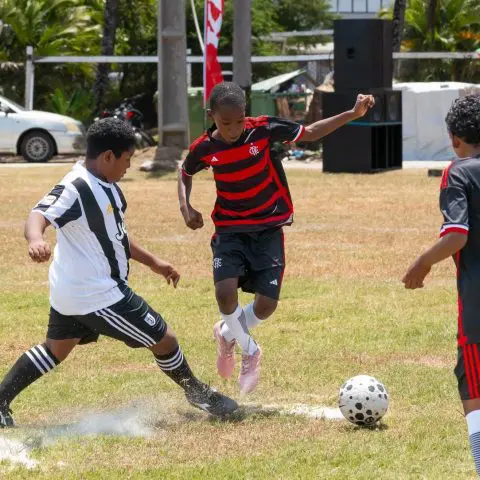
The inaugural ExxonMobil Guyana U18 Schools Football competition began in Bartica yesterday, opening a tournament that will bring together 118 school teams from eight of the country’s 10 administrative regions.
Three Mile Secondary claimed the first victory, beating Bartica Secondary 4–0 at the Bartica Community Centre Ground to book a place in the group stage.
Organised by the Vurlon Mills Football Academy (VMFA), the competition features 68 male teams and 50 female teams, placing it among Guyana’s largest grassroots school football initiatives in recent years.
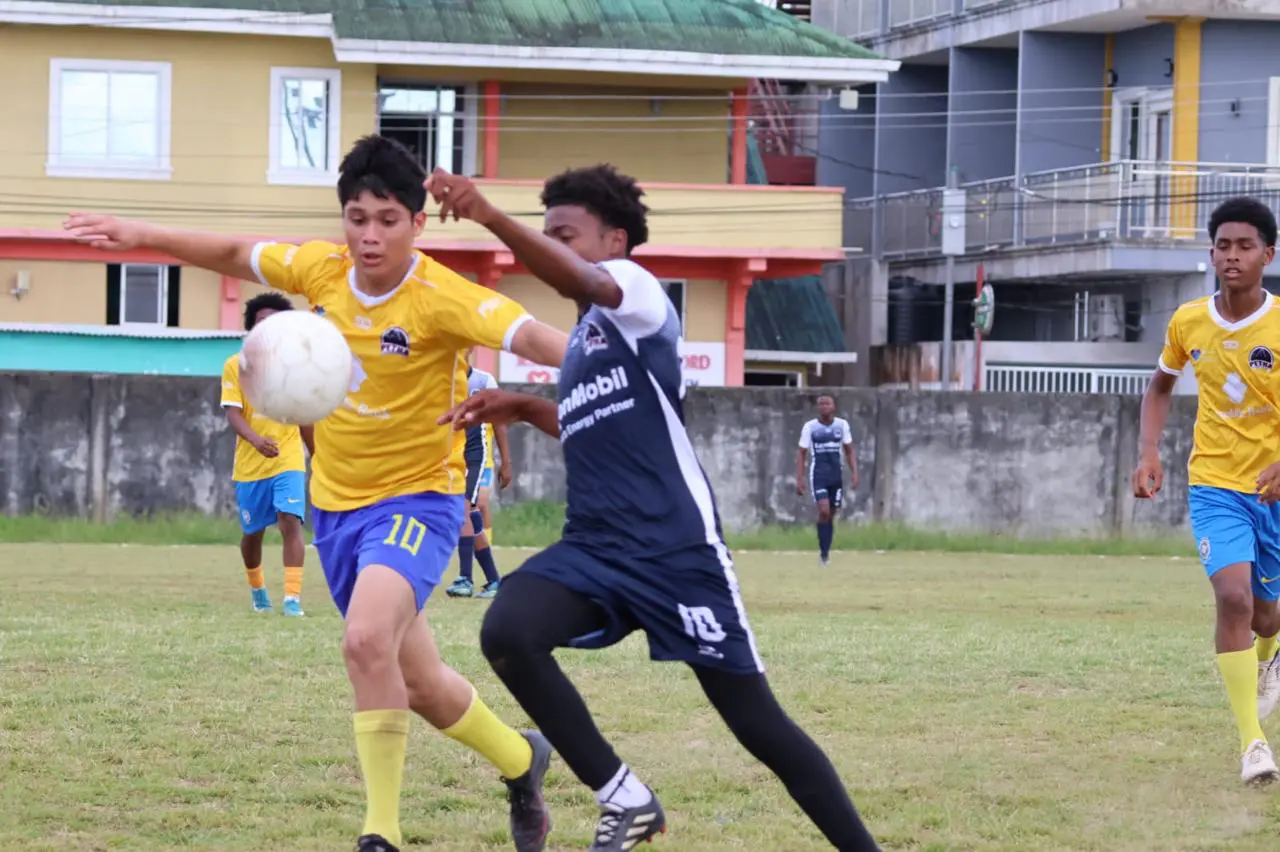
While Region Seven hosted the opening encounter, the nationwide programme of matches is scheduled to begin on October 9. Fixtures for the other participating regions will be unveiled in the coming week.
Yesterday’s opener belonged to Three Mile, whose victory was led by a brace from Riley Ketwaroo. He opened the scoring in the 12th minute to give his side a 1–0 halftime lead.
Three Mile added three goals late in the second half to put the result beyond Bartica Secondary. Ketwaroo scored his second in the 68th minute, Eric Stephens followed in the 71st and Isaiah Daniels rounded off the scoring in the 74th.
Source: Kiskadee Watch
https://kiskadeewatch.com/guyana/matthews-ridge-airstrip-completed/
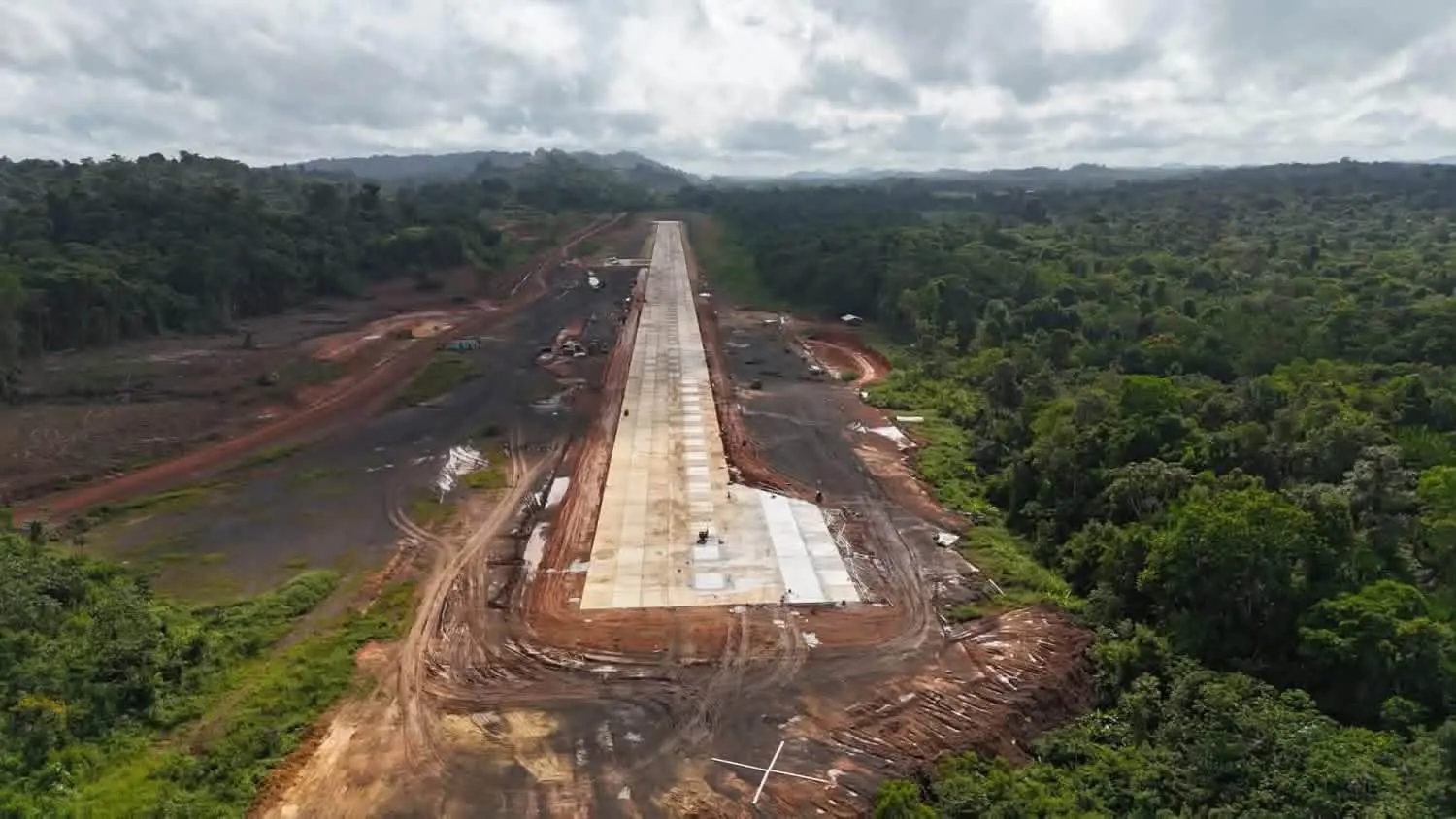
The 4,200-ft reinforced concrete Matthews Ridge Airstrip in Region One is now 100% complete.
A release yesterday from the Ministry of Public Works said that this will see larger aircraft, including Beechcraft-type aircraft able to land at Matthews Ridge.
This project significantly improves connectivity, emergency and medevac response, and supporting greater economic activity.
The release said that the project was delivered by the Ministry of Public Works’ Special Projects Unit under its Community Participation Model, creating employment for 60 Matthews Ridge residents and 15 skilled workers from Mabaruma.
The upgraded airstrip also includes a parking apron, taxiways, international-standard runway markings and visual aid lighting to support night-time emergency operations.
Source: Kiskadee Watch
https://kiskadeewatch.com/guyana/ug-conference-examines-social-effects-of-rapid-change/

The social consequences of Guyana’s rapid economic development, including questions about inequality, migration and changing community relationships, were among the issues examined at the sixth annual Caribbean Sociological Association (CASA) conference hosted by the University of Guyana last week.
Held from September 23 to 25 under the theme “Sociology of Societies in Transition: Exploring the Tensions Between Stability and Change,” the conference brought together researchers, scholars, practitioners and students from the Caribbean and its diaspora, according to a UG release issued on Wednesday.
Approximately 40 presentations addressed social, economic, political, environmental and technological changes across the Caribbean and the Americas.
Dean of UG’s Faculty of Social Sciences, Dr Diana Da Silva-Glasgow, said the expansion of Guyana’s petroleum sector presented significant opportunities while raising questions about inequality, migration, labour markets, family structures, community relationships and the ability of institutions to adapt.
She noted that Caribbean societies had historically experienced transitions arising from colonialism, independence, globalisation and migration, and were now confronting further changes linked to technology, geopolitical tensions and climate change. She called for continued collaboration across disciplines and national boundaries.
During a panel discussion, Minister of Human Services and Social Security Dr Vindhya Persaud said development must remain focused on people’s quality of life.
“It is imperative that there be people-centric development, and this is where the social services remain pivotal on the Government of Guyana’s radar,” Persaud said.
According to the release, she pointed to migration from rural and remote communities to urban areas, as well as rising life expectancy, as factors requiring continued assessment of resource allocation and national priorities.
Chairman of UG’s transitional management body, Professor Stafford Griffith, urged researchers to make their findings accessible beyond academic journals, particularly to policymakers, administrators, professionals and the public.

He said the pace of development in Guyana was bringing socio-economic challenges that required deeper understanding and that Caribbean researchers were well placed to examine the region’s experiences.
“Research that is socially and developmentally relevant to the needs of the Caribbean should be a critical responsibility of scholars in the Caribbean,” Griffith said, quoting from an article to which he contributed in 2024.
Delivering the keynote address, former UG Vice-Chancellor Professor Paloma Mohamed Martin examined the role of fear in societies undergoing rapid change.
“Fear, I would argue tonight, is the most salient effect of tensions arising between stability and change. Fear is what a society feels when it stands at the hinge between the stability it knows and the change it cannot fully comprehend,” she said.
Drawing on her research into Guyanese society, Mohamed Martin said fear could inhibit participation in public, social and professional life and erode trust.
She also addressed technology and artificial intelligence, arguing that technology amplified existing influences rather than independently determining the outcomes of change.
“Technology is an amplifier, not an author,” she said, while urging scholars and policymakers to examine whose interests and assumptions were being incorporated into the technologies societies adopted.
Mohamed Martin said resilience should involve developing the capacity to emerge from disruption better equipped to respond to future challenges.
“Resilience, properly understood, is not bouncing back. It is bouncing forward, emerging from disruption, reorganized, wiser, more capable than when we first entered it,” she said.
CASA President Dr Duane Edwards said Guyana’s ongoing transformation made it a particularly relevant setting for the conference.
“The conference being held in Guyana promises to bring participants from across the Caribbean and the diaspora to discuss countries experiencing various kinds of transitions and change. There is perhaps no better place to hold this conference than in Guyana,” Edwards said.
Participants came from Guyana, Jamaica, Barbados, Trinidad and Tobago, Suriname and the wider Caribbean diaspora. Presentations covered racial, class and gender inequality, domestic violence, social welfare, resource extraction, environmental impacts, demography, governance, democracy and sustainable development.
CASA is a regional body that promotes the study of Caribbean societies through sociological research, collaboration and advocacy.
Source: Kiskadee Watch
https://kiskadeewatch.com/guyana/guyana-chairs-amazon-talks-on-malaria-indigenous-communities/
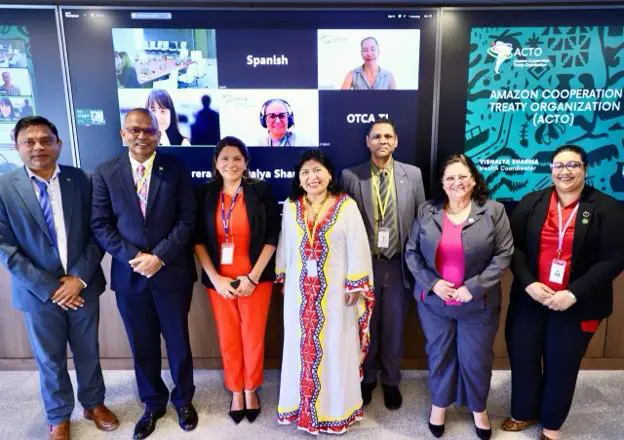
Health Minister Dr Frank Anthony has chaired a meeting of Amazon countries on regional cooperation in malaria elimination, Indigenous Peoples’ health and disease surveillance.
According to a press release, the meeting was held on September 30 on the sidelines of the Pan American Health Organization’s (PAHO) 63rd Directing Council in Washington, D.C.
Guyana convened the discussions under its Pro Tempore Presidency of the Special Commission on Health in the Amazon (CESAM), which it assumed on September 8.
Representatives of Guyana, Bolivia, Suriname and Venezuela attended in person, while Brazil participated virtually. PAHO and the Permanent Secretariat of the Amazon Cooperation Treaty Organization (ACTO) also took part.
Anthony called for regional discussions to produce concrete actions and measurable results for Amazon communities. Participants identified malaria, hepatitis B and C, Indigenous Peoples’ health, culturally appropriate care and epidemiological surveillance as priorities.
Malaria was a central focus, with countries discussing coordination of national strategies, exchanges of expertise and joint action.
Suriname’s Director of Health, Dr Rakesh Gajadhar-Sukul, outlined the country’s experience in eliminating local malaria transmission through community-based diagnosis, rapid response and timely treatment.
Suriname offered to share its practices with other ACTO member countries. The organisation is developing a proposal to facilitate the exchange, including a possible technical workshop in Suriname with support from cooperation partners.
Bolivia’s Minister of Health and Sports, Marcela Tatiana Flores Zambrana, highlighted the difficulties facing Indigenous populations and communities far from health services. She also raised the health effects of mercury contamination associated with gold mining.
Brazil reaffirmed its commitment to cooperation on Indigenous health and infectious diseases.
Venezuela’s Vice Minister for Comprehensive Health, Dr NolyCoromoto Fernández Hernández, emphasised culturally appropriate care, traditional knowledge and community participation. She also called for stronger joint surveillance and early warning systems for malaria, dengue and onchocerciasis.
PAHO indicated its willingness to continue providing technical assistance, linking disease elimination with approaches that respect Indigenous communities’ cultures and needs.
Participants also discussed developing a health module for the Amazon Regional Observatory and identifying national focal points to support the exchange of health data and interoperability between systems.
The ACTO Permanent Secretariat said the priorities were consistent with efforts to strengthen CESAM. The commission’s guidelines have been approved, while its General Work Plan remains under discussion.
At the close of the meeting, participants identified malaria as a priority for closer regional coordination. They also proposed continued cooperation on hepatitis and exploring technical assistance and financing from multilateral organisations.
Source: Kiskadee Watch
https://kiskadeewatch.com/opinion/food-systems-matter/catfishing-a-usda-questionnaire-how-one-bureaucrat-helped-sink-guyanas-gilbaka-trade/
By Dr. Mark Chatarpal

The information in this article comes from my doctoral fieldwork in 2018 and 2019 and has been edited for this column. I have changed respondents’ names to protect their identities. It has been eight years since the United States banned the importation of Guyanese catfish.
The American Catfish ban
On March 1st, 2018, fisherfolk and local exporters in Guyana were horrified to learn that the United States Department of Agriculture (USDA) had banned the import of Guyanese catfish. The stated reason was Guyana’s non-compliance with the USDA’s updated sanitary regulations. The USDA’s move to support domestic catfish aquaculture had a substantial impact on the world’s catfish market. Fisherfolk communities in Vietnam, Malaysia, Thailand, and Guyana were hit especially hard.
Before the collapse, a stable market in diaspora hotspots had sustained several fisherfolk communities along Guyana’s coastal strip. During my ethnographic research, I uncovered a story that never made it into Guyana’s media. The Ministry of Agriculture (MOA) had been notified of the USDA’s plans in advance. A senior policymaker, whom I will call Steve, then decided to fill out the USDA’s questionnaire single-handedly, without consulting any other branch of the Ministry. Several people I interviewed attributed this decision to the Ministry’s internal competition for influence. Whatever Steve’s motives, his actions helped cost the country the American catfish market.
The official story
In public, the Ministry said the USDA had imposed standards Guyana lacked the resources to meet. That was partly true. The rules required catfish-only storage and processing facilities, certified to USDA-equivalent standards and staffed by qualified inspectors during all operating hours. Guyana had no such infrastructure and no money set aside to build it. This explanation satisfied local journalists and supported the Ministry’s requests for development funding.
It also left out the most important part of the story.
What the Ministry’s experts told me
During my fieldwork, I gained consistent access to the MOA, including two senior policymakers I will call Rex and Bob. They were the real intelligentsia of the Ministry: people who wielded significant power and were indispensable to any administration. Like tenured professors, they felt relatively freer to share their unfiltered opinions. In their words, all they had been waiting for was a chance to speak with someone who “gets it.”
I asked about the major challenges their offices faced, expecting the usual discourse about needing resources. Instead, I listened to their frustrations with the politicians appointed to run the MOA. The politicians’ ideas about what ‘food security’ is often had little to do with what was feasible with the limited state resources available. Could much of Guyana’s national ‘food security’ issues simply come from a disconnect between what the appointed Minister wanted to implement and what was feasible? Surely the problem couldn’t be that straightforward, right?
Apparently it was.
Rex and Bob explained that they implemented whatever the Minister wanted with little pushback. Catering to ministerial ego was safer than risking their departments being shut out of decision-making or deliberately underfunded. There were few checks on the Minister’s power.
The conversation then turned to the opportunism inside the Ministry. Senior staff squabbled constantly to impress the Minister and raced to attach their names to new agricultural ventures, media clips, or anything else that promised positive press. Later interviews confirmed that staffers were perfectly happy, for example, to hold multiple dedication ceremonies for a single water pump station. Extension workers in the field already knew all this. Hearing it from senior experts at headquarters, though, showed me how structurally lopsided these institutions were.
When I pressed Rex about what had really happened with the catfish ban, the answer was deeply shocking.
Rex: The U.S. actually sent out a questionnaire last year; it was a self-assessment. And there is a crazy man over there [pointing to Steve’s office], he’s actually crazy. He took it upon himself to fill out the self-assessment form.
Me: On behalf of the country?
Bob: Yes, him alone.
[Rex and Bob laughing]
Rex: He fills the form out himself, and the idiot spoke about some documents that do not exist. How are you going to lie to FSIS [USDA’s Food Safety and Inspection Service]?
Me: The USDA?
Rex: Yeah, we don’t have a lawyer working with us and they (USDA) have a band of lawyers.
[The group laughs again]
Me: Here you have an entire country losing a huge sector of its thing because a guy checked the wrong box…right? …if I am getting this correctly?
Rex: yes, yes, yes, Yes [with increased vocal tones].
[Group laughter again]
Rex: Suh now he send de ting to de people [USDA], and they sent back. I can share the folder with you because it not no secret. The people now, USDA sent back now, a list now, showing their queries, everything [highlighted] in red, they querying every aspect of the self-evaluation.
[Imitating an American accent]
“You said that you had this inspection process, where is it?”
“You said you were using some field guide something, where is it?”
Rex: So after the US rejected [inaudible]…that assessment, they [the Minister and Steve] run come now and ask me now to come in and look at it.
And I’m like, ‘you said there’s this field guide, mister; where is this field guide? And what is the meaning of this words…from…GF…lewwe just say from GFIA. I said, wuhis duh really?’
Me: What is the meaning of the acronym? [In agreement]
Rex: Wha is da meaning of the acronym? He’s like [impersonating Steve] “Ummm, I can’t really remember, you know.”
Rex: I’m like, what! What an idiot! Why you mention de ting and don’t even know what it is! And then you can’t produce it [certifications] because he [Steve] doesn’t even know where that document is or anything…anyway so he even did some… he quoted from a law…there is no section like that in the law. The man even turn around and seh he wanted to make the answers perfect right, but how, you can’t lie to the people [USDA]…
The FSIS Self-Reporting Tool
This was an extraordinary revelation, but I needed more proof before believing it. In a separate interview that lasted over an hour, Bob confirmed that Steve had completed the FSIS Self-Reporting Tool with fabricated answers. I was given a soft copy of the document, on the condition that I keep identities private. Materials like this, I was told, belonged in the public domain where they could face professional scrutiny. No one in the local media had dug deep enough into the gilbaka tragedy to ask what the tool was or how the USDA used it to restrict Guyana’s exports.
The document was over seventy pages long, and its questions covered a wide range of concise inquiries about catfish, or Siluriformes. It was divided into six overarching sections: (1) Government Oversight, (2) Verification of Food Safety and Other Consumer Protection Requirements, (3) Government Sanitization Verification, (4) Government Hazard Analysis and Critical Control Point System Verification, (5) Government Chemical Residue Program, and (6) Government Microbiological Pathogen and Process Control Programs.
After a thorough review, it was clear that the current staff at the Ministry of Agriculture were not remotely capable of properly answering all the questions listed in this document. The experts I spoke with stressed that specialized international consultants were needed. According to interviewees, each section warranted its own team of skilled professionals working for eight months to a year. Instead, one man supplied the answers alone. Staff from the Ministries of Agriculture and Health began scrambling only after the USDA recommended the ban.
Speaking with Steve
With the turmoil occurring locally and throughout the diaspora marketplace, I had to interview Steve. He insisted on the session not being recorded, so I opted to jot a few notes down. I first asked about his personal definition of “food security”. He talked about the need for Guyana to regain its reputation as the agricultural hub of CARICOM, with the latest technology and young people interested in ‘high-tech’ agriculture. I sensed he was telling me what he thought I wanted to hear, so I asked him to describe that vision in more detail. He pictured thousands of acres of export-quality crops sprayed with pesticides by airplanes and harvested with expensive combines, the image of industrial soybean or corn mega-farms. He never mentioned small farmers or fisherfolk. For Steve, food security was firmly rooted in the aesthetic of industrial farming.
If Steve could contribute to the ruining of the gilbaka trade by including fake laws and certificates in the self-reporting tool, it wasn’t hard to imagine him eroding support for small-scale agriculturally based communities, predominantly Indigenous groups, to achieve his vision of ‘food security’.
Without revealing what I had learned, I then asked Steve to discuss what happened to the gilbaka market. He made no mention of the self-reporting tool incident and responded with the polished narrative the Ministry of Agriculture released to the press. At the conclusion of our interview, he asked who I had spoken to regarding the gilbaka situation. I deflected and said I was generally curious since it was a national issue. Little did he know that his own co-workers were deeply dismayed by what he had done.
Too little, too late
A few months later, I found out that the USDA had requested further clarification on a series of certifications that Steve claimed the Ministry had. The Minister held a series of emergency meetings and told all department heads to drop their tasks and work together to solve the issue. As the saying goes, it was too little, too late.
Members of the diplomatic community and other staffers at the Ministry of Agriculture told me that the USDA had warned the Ministry about the changes to sanitary regulations at least two years before the self-assessment arrived. That means the Ministry technically had enough time to make the necessary changes, or at least begin training staff, in hopes of securing additional grants or funds to build the infrastructure to USDA standards. Once the ban became national news, Steve was never named as being at fault.
This lack of oversight highlights a structural problem within the Ministry of Agriculture. As with most bureaucracies, the work tempo within the Ministry carries its own set of political rules. For example, I have seen authorization documents processed within a few minutes, rather than the standard week or more, because the applicant was a well-known party affiliate. More commonly, I have watched proposals from Indigenous peoples or organizations deliberately stalled over concerns that too much funding was being directed towards these groups.
Making the necessary changes
So how did the Ministry fix the gilbaka situation? Simply put, they didn’t. Instead, the Ministry urged the fisherfolk community to shift their sights to other aquatic species while they reacquired the proper licenses. The harsh fact was that the Ministry would be hard-pressed to remove the ban, because the government lacked the will to invest in building the proper processing facilities. With the potential GDP influx from oil revenue, the government’s priority turned to attracting investments from new oil companies, not renewing catfish licenses. Several interviewees mentioned that the Ministry of Agriculture’s mandate was simply to maintain the status quo. Meanwhile, the government would reorient Guyana’s economy towards relying on oil revenue instead of minerals, timber, and agricultural exports.
The broader question here was whether Guyana was even capable of making the required changes to accommodate the USDA’s stipulations. I posed this question in later interviews to Rex, and they collectively agreed it would be an uphill journey and borderline impossible to achieve without significant resources. In their answers, they identified four barriers. First, the USDA required the Ministry to build a single facility dedicated solely to processing siluriformes and built to USDA-equivalent standards. This facility could not be used to process any other fish species, but the export value of gilbaka was not high enough to warrant an entire processing facility.
Second, trained inspectors, preferably American-trained, would need to be on-site at all times. This meant that the Ministry of Agriculture needed to recruit, train, and actively retain a team of food inspectors. Given Guyana’s high levels of brain drain, the risk is that newly certified inspectors would seek work overseas once their contracts expired. Third, the Ministry of Agriculture saw little incentive to invest, judging that the demand for gilbaka was too weak to justify a long-term commitment. Little research or general consideration was given to potential market growth, despite a diaspora that far outnumbers Guyana’s own population.
Finally, there was the issue of litigation and the costs associated with maintaining up-to-date certifications. When Steve ‘invented’ the false certifications that were presented to the USDA, he placed the Ministry of Agriculture in a double bind. Once the error was discovered, the Ministry needed significant legal advice to undo the certification claims made on its behalf. Yet the Ministry has fewer than three lawyers on staff and only two with expertise in agricultural law, much less trade law. These lawyers are under constant pressure to represent the Ministry of Agriculture’s interests against countries or multi-million-dollar corporations that retain dozens of lawyers specializing in the fields of agriculture and international trade. As one interviewee noted, it has become the norm to attend international food conferences as the Ministry’s only legal representative in a room, facing more than forty lawyers vested in negotiating trade deals, and having to engage with them all on their own.
The fragility of Guyana’s food policy
What this fiasco with the catfish market taught me was just how vulnerable the country’s food export market is when the actions of singular individuals can cause a major disruption in the livelihood of several fisherfolk communities. We often assume that people’s right to food have more to do with supply chain or production issues, but we tend to overlook how bureaucratic systems themselves can lead to a breakdown in food policy.
It also showed me how interlinked the global supply chain is. A protectionist policy of a large economy like the United States to protect its own food systems can have immediate consequences for a smaller economy half a world away. It has been eight years since this tragedy occurred, and although Guyana is working to regain access to the U.S. market, the institutional breakdown within the MOA remains as relevant today as it was in 2018.
Source: Kiskadee Watch
https://kiskadeewatch.com/guyana/apnu-questions-urgency-of-barima-salvage-demands-start-date/

A Partnership for National Unity (APNU) has challenged the government’s handling of the proposed salvage of the MV Barima, saying September ended without a publicly announced contractor or a clear mobilisation date, more than two months after the vessel sank.
In a press statement headed “MV Barima: Where is the urgency?”, APNU said the pace of the procurement process was inconsistent with assurances that the disaster was being treated as a national priority.
“The Government cannot continue to tell the families of the victims of the MV Barima tragedy that this matter is being treated with urgency when the timeline tells a very different story,” the statement said.
The party argued that recovering the vessel was important both to families still awaiting the remains of relatives and to establishing what happened during the July 18 disaster.
“This is not simply another government procurement exercise. People died. Families are still waiting. Some families have not been able to lay their loved ones to rest,” it said.
The 87-year-old, state-owned passenger and cargo vessel sank while travelling from Georgetown to Port Kaituma. Seventy-three bodies had been recovered and approximately 30 people remained unaccounted for.
APNU outlined a series of government announcements, beginning with Prime Minister Mark Phillips’ July 28 assurance that the wishes of affected families would guide the response.
It noted that expressions of interest closed on August 14, after which Phillips said submissions would be evaluated, a contractor selected and negotiations undertaken. On August 18, President Irfaan Ali said companies had been shortlisted and would be invited to submit financial proposals.
The three financial bids were opened on September 8. According to the National Procurement and Tender Administration Board, BK International Inc submitted the lowest bid at approximately $1.034 billion. Industrial Fabrication Inc bid $1.895 billion, while Netherlands-based KMS B.V. submitted $2.0351 billion
The procurement was advertised on a “no cure, no pay” basis. The assessment would consider technical capacity, the proposed salvage method and the ability to preserve evidence for the Commission of Inquiry, with the lowest price not automatically determining the award. The salvage requirements include protecting and documenting forensic evidence.
APNU pointed out that, on September 24, Ali was still reporting that technical teams were evaluating the bids and that a company had not yet been selected.
APNU said compliance with procurement requirements should not prevent the government from acting urgently.
It called for the government to explain the time taken and disclose when a contractor would be selected and mobilised.
“Where is the urgency? Where is the contractor? Where is the mobilisation date?”
The criticism follows repeated protests by relatives seeking the recovery of the vessel and information about their loved ones.
During a September 8 protest outside the Office of the President, Tianie Thomas, whose brothers Kyle and Brian Thomas died in the tragedy, told Kiskadee Watch that families were frustrated by the lack of communication.
“We ain’t hearing nothing; like everything gone silent,” she said.
Meanwhile, Kiskadee Watch reported on September 30 that the Commission of Inquiry was expected to commence in the first week of October. The commission was sworn in on July 30 and is chaired by former Belizean judge Justice Godfrey Phillip Smith. Its mandate includes examining the vessel’s seaworthiness, maintenance, passenger and cargo loading, crew conduct and the search-and-rescue response.
The commission has also invited survivors, relatives and other interested persons to apply for standing to participate in its proceedings.
APNU maintained that the salvage could not be allowed to become another delayed administrative matter.
“The MV Barima tragedy must not become another file sitting on a desk in a Ministry. The families deserve better. Guyana deserves better,” it said.
Source: Kiskadee Watch











Discussion