Azruddin Mohamed: Bail, Personal Liberty And The Rule Of Law
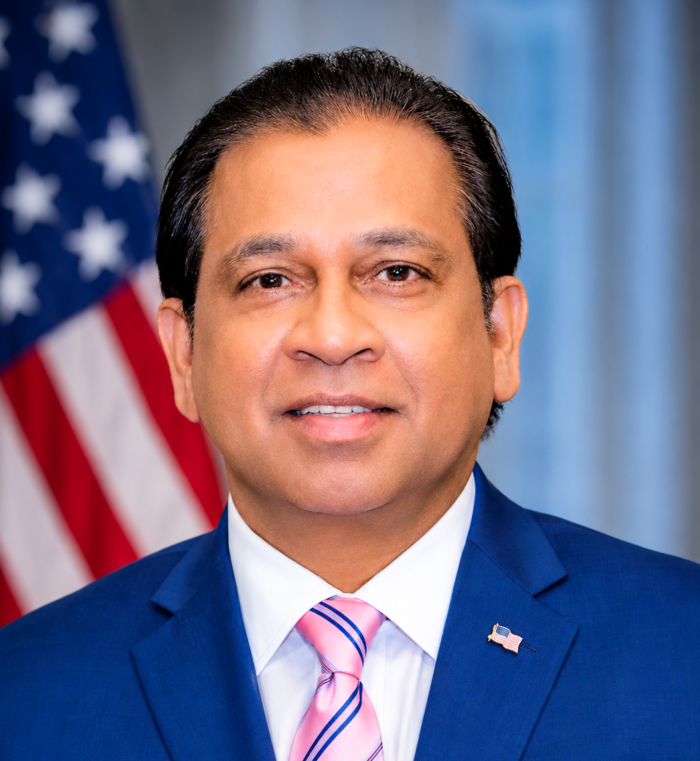
By Albert Baldeo- The continued detention of Opposition Leader Azruddin Mohamed should be decided by law, not politics, or caprice.
I hold no brief for anyone in this matter. My concern is with the proper administration of justice in Guyana and the principle that the same law must apply to Government officials, Opposition leaders and ordinary citizens alike. The issue is whether the State has established lawful grounds to keep an unconvicted person in prison.
Mohamed is charged under Section 9 of the Cybercrime Act over alleged access to or disclosure of Safe City CCTV footage. His refusal of bail is now before the High Court. The starting point is Guyana’s Bail Act 2022. Bail may be refused where there are substantial grounds to believe an accused will abscond, commit another offence, interfere with witnesses, tamper with evidence or obstruct justice.
But those grounds require evidence—not speculation, political controversy, or the mere existence of other pending charges. There is also an important statutory point. The cybercrime offence reportedly carries a maximum penalty of five years’ imprisonment, while the Bail Act defines a “serious offence” by reference to punishment exceeding five years.
Five years does not exceed five years. That does not automatically guarantee bail, but it is legally significant. The court should therefore ask: Has Mohamed absconded? Has he failed to attend court? Has he breached previous bail conditions? Is there concrete evidence that he intends to threaten witnesses, destroy evidence or flee Guyana? If not, continued imprisonment becomes increasingly difficult to justify.
There is also a legitimate question about the strength of the Section 9 allegation itself. The prosecution alleges that a police constable obtained or transferred CCTV footage and that money changed hands. Mohamed’s defence contends that he was the alleged recipient of the material, raising the issue of whether his alleged conduct falls squarely within the offence charged.
That question belongs ultimately to the trial court. But the strength of the prosecution case is relevant when liberty is being denied before conviction, especially when there are obvious alternatives to imprisonment.
If the High Court has concerns, it can impose stringent conditions: surrender of passports, substantial sureties, regular police reporting, travel restrictions, fixed residence and no contact with witnesses. The law should ask whether those safeguards are sufficient before resorting to incarceration.
Bail must not become punishment before trial. Equally, political office must not confer immunity from prosecution.
The law must neither favour Mohamed because he is Opposition Leader nor punish him because he is Opposition Leader. The central question is simple: Has the State proved that continued detention is necessary, or can legitimate concerns be addressed by strict bail conditions?
If the statutory grounds for refusal are not established, liberty and the presumption of innocence must prevail. The principle is larger than any one defendant. Investigate fearlessly, but fairly. Prosecute where the evidence warrants it. But do not punish before conviction.
That is the rule of law.
Hon. Albert Baldeo
Former Magistrate, Senior State Counsel & Police Legal Adviser, Guyana
Community Leader and Judicial Delegate
President, One Guyana, Beyond Borders, New York
Source: Village Voice News