Sports
Stronger parent-teacher partnerships

The responsibility for educating a child cannot rest solely with teachers and the school system. While schools provide the environment, instruction and resources necessary for academic development, the values, attitudes and behavioural patterns that children carry into the classroom are shaped, to a considerable extent, by their experiences at home. A meaningful partnership between parents and educators is essential to addressing the challenges confronting the education system and ensuring that children receive the support needed to develop into responsible citizens.
The importance of strong and active Parent-Teacher Associations (PTAs) cannot be overstated. These bodies must be more than organisations that meet occasionally to discuss school activities, fundraising initiatives or administrative concerns. They should serve as functioning partnerships through which parents, teachers and school administrators can identify problems, share responsibility and work towards practical solutions.
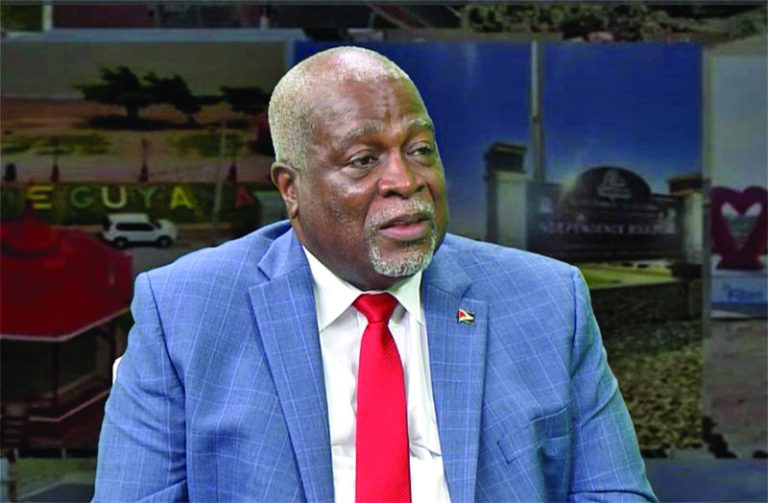
Education Minister Sonia Parag highlighted this responsibility during an engagement with parents, teachers and guardians from several West Coast Berbice schools at Lachmansingh Primary School on Tuesday.
The issues identified by the minister, including bullying, violence, vaping and disrespect towards teachers, reflect challenges that cannot be addressed through school rules and disciplinary measures alone. These problems require a coordinated response involving parents, educators, communities and the relevant Government agencies.
A school cannot be expected to correct behavioural problems without the cooperation of the home. Equally, parents cannot transfer the responsibility for discipline, guidance and moral development entirely to teachers. Both institutions have distinct but complementary roles, and the failure of either to fulfil its responsibility can undermine the child’s development.
The minister’s observation that behavioural patterns begin at home deserves particular attention. Children learn not only from what parents tell them but also from what they observe. The manner in which adults communicate, resolve disagreements, demonstrate respect and respond to authority can influence how children interact with others. Parental involvement must therefore extend beyond ensuring that children attend school, complete assignments and perform well academically.
Meaningful engagement requires time, attention and an understanding of the difficulties children may be experiencing. In an increasingly digital environment, where mobile phones and other distractions compete for attention, parents must remain conscious of the importance of direct communication with their children. Regular conversations can help identify behavioural changes, emotional difficulties, exposure to harmful influences and problems that may otherwise go unnoticed until they manifest in the classroom.
At the same time, the responsibility for creating a safe school environment rests with the education authorities and school administrators. Bullying, physical aggression, verbal abuse, peer exclusion and online harassment must be addressed through clear procedures that are consistently applied. Teachers must have the necessary authority, training and institutional support to intervene when misconduct occurs, while students must understand that unacceptable behaviour carries consequences.
Any consideration of legislation must also be approached carefully, ensuring that measures are effective, proportionate and consistent with the rights and responsibilities of children. Discipline is necessary, but it must be accompanied by guidance, counselling and opportunities for behavioural correction where appropriate. The objective must be to maintain order and protect the learning environment while ensuring that students are not denied the support needed to address underlying problems.
The introduction of Moral and Civic Education as standalone subjects is another important development in this regard. However, values cannot be taught effectively through classroom instruction alone. The lessons delivered at school must be reinforced through the conduct of adults at home and throughout society. A child who is taught to respect teachers but regularly witnesses adults undermining educators receives conflicting messages. Consistency between the expectations established at home and those enforced at school is therefore critical.
PTAs provide an important mechanism for achieving that consistency but their effectiveness, however, depends on participation and accountability. Parents must attend meetings, raise concerns constructively, support school initiatives and become involved in finding solutions. Teachers and school administrators, in turn, must maintain open lines of communication and ensure that parents are treated as partners in the educational process.
The call for stronger PTAs must translate into sustained action rather than remain a recurring appeal at stakeholder engagements. Parents, teachers, school administrators and policymakers must recognise that the success of the education system is a shared responsibility.
Discover more from Guyana Times
Subscribe to get the latest posts sent to your email.
Source: Guyana Times