Mohamed Takes Prison Conditions Fight To High Court
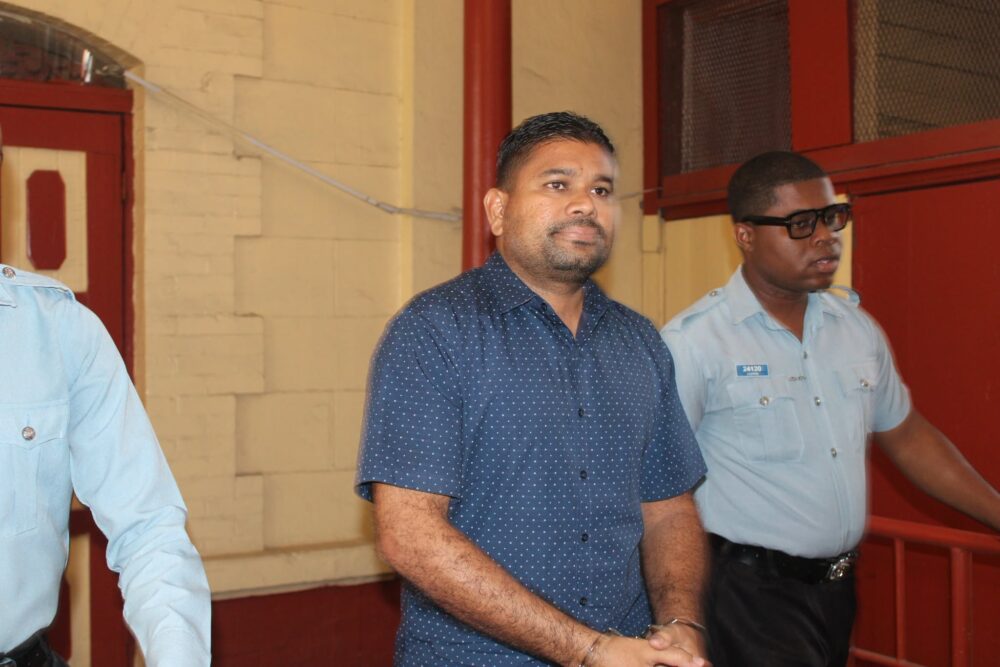
Opposition Leader Azruddin Mohamed has personally sworn to allegations of cruel and inhumane treatment at Lusignan Prison, detailing what he describes as prolonged solitary confinement, restricted family visits and conditions that have left him isolated for almost the entire day.
In a 43-page affidavit filed on November 4 and reported publicly on November 6, Mohamed outlined the conditions under which he is being held, escalating the legal confrontation between his defence team and the Guyana Government over his continued detention.
The affidavit forms part of his High Court challenge to Magistrate Abigail Gibb’s decision refusing him bail on a separate cybercrime charge arising from the alleged unauthorised transfer of surveillance footage involving senior police officer Prem Narine.
Mohamed alleges that he is confined to his cell for approximately 24 hours daily, with only about 10 minutes outside. He further claims that bright lights remain switched on continuously and that his family is permitted to visit for only approximately 20 minutes on Saturdays.
He also alleges that he is isolated on a floor of Building 5 at Lusignan Prison, without visual contact with other prisoners.
The allegations have intensified scrutiny of the conditions under which the country’s parliamentary Opposition Leader is being detained.
The Guyana Prison Service, however, has defended its handling of Mohamed, maintaining that he is classified as a high-profile prisoner and that security arrangements are necessary. The authorities have disputed claims that he is being subjected to punitive or degrading treatment.
State challenges evidence in bail proceedings
The affidavit has become another point of contention in the High Court proceedings, where Attorney General Anil Nandlall has challenged the admissibility of evidence submitted by Mohamed’s mother, Bonita Mohamed.
Nandlall reportedly objected to approximately 33 paragraphs of her affidavit, arguing that they contain hearsay, opinions and allegations not supported by her personal knowledge.
Mohamed’s attorneys, Senior Counsel Roysdale Forde and Siand Dhurjon, have resisted the objections, arguing against further delays in determining their client’s application.
The court has scheduled November 12 for further arguments, with a ruling on preliminary objections expected on November 13. The substantive judicial review hearing is reportedly scheduled for November 23.
Police constable also seeks release
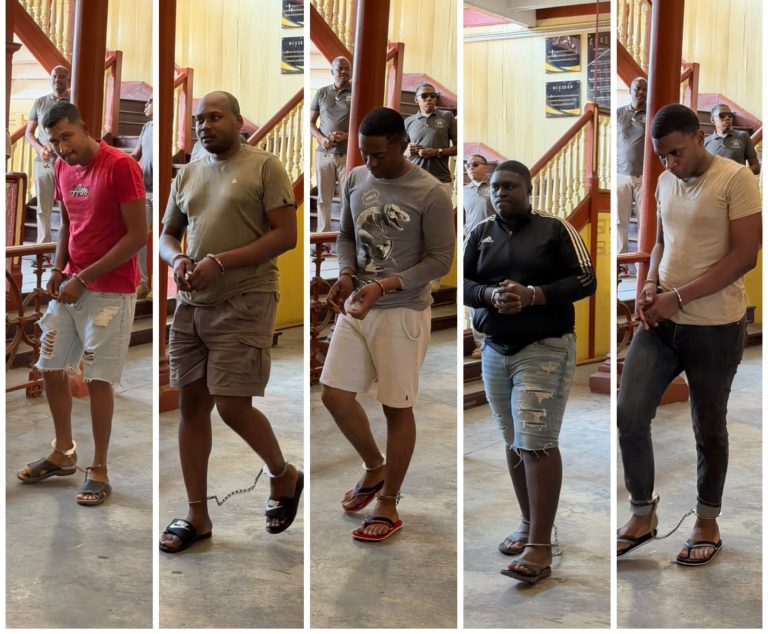
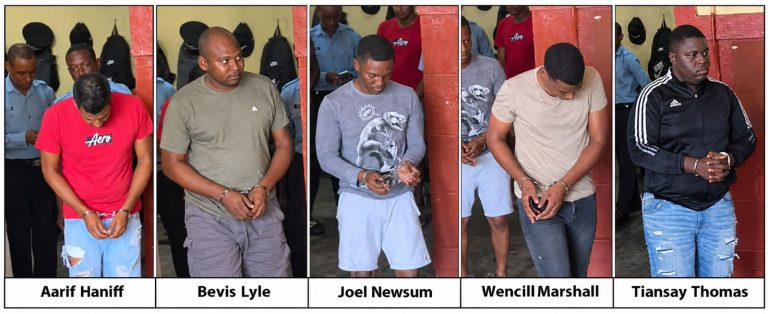
Meanwhile, Police Constable Ryan Greene, who was jointly charged with Mohamed over the alleged unauthorised transfer of CCTV footage, has also approached the High Court seeking bail.
Greene’s father, Randy Greene, had filed an application challenging the magistrate’s refusal to release the police officer.
The CCTV footage is central to a separate controversy surrounding an October 12 incident involving gunfire near the residence of Narine, head of the Special Branch and a witness in Mohamed’s extradition proceedings.
Mohamed has maintained that the footage supports his version of events and has disputed the police account of the incident. Authorities allege that the recording was improperly obtained and transferred through Greene.
Constable Ashton Chappelle was also charged for the same offence on November 3.
The men remain on remand, with their next scheduled court appearance set for November 24.
Extradition proceedings remain separate
Mohamed’s detention on the local cybercrime charge must be distinguished from his ongoing extradition proceedings initiated by the United States.
On November 3, Chief Magistrate Judy Latchman reportedly rejected another application to revoke his extradition bail, finding that alleged breaches had not been established by evidence.
“Breaches must be proven. Breaches have not been established. There is no evidence that Mr. Azruddin Mohamed is a flight risk.”
The ruling means Mohamed remains on bail in the extradition matter but continues to be detained over the separate local charges.
Washington is seeking the extradition of Mohamed and his father, Nazar Mohamed, over allegations involving wire fraud, money laundering and a US$50 million gold-export tax-evasion scheme. Both deny wrongdoing.
The latest developments place renewed attention on the treatment of detained persons, the independence of judicial proceedings and the responsibility of the authorities to ensure that detention conditions comply with the law.
With Mohamed’s bail challenge still before the High Court, the proceedings will test whether the State can justify the continued restrictions on his liberty and whether his allegations about prison conditions warrant judicial intervention.
For a country whose Opposition Leader is now at the centre of multiple criminal and extradition proceedings, the credibility of the justice system will depend not on political declarations, but on transparent evidence, due process and equal treatment before the law.
Source: Village Voice News