GEA trains 102 technicians as Guyana builds workforce for electric mobility
GEA trains 102 technicians as Guyana builds workforce for electric mobility
The government is strengthening the technical capacity needed to support the country’s transition to electric/hybrid mobility, with the Guyana Energy Agency (GEA) graduating another cohort of electric vehicle (EV) maintenance and repair technicians.
The latest milestone was reached on Friday as the Guyana Energy Agency (GEA), through the Office of the Prime Minister, graduated its fifth cohort of 25 technicians following specialised training at the Mahaicony Technical and Vocational Training Centre (MTVTC), bringing the total number of persons trained through the programme to 102.

The milestone represented a significant expansion of local expertise as electric and hybrid vehicles become an increasingly important part of Guyana’s transportation landscape.
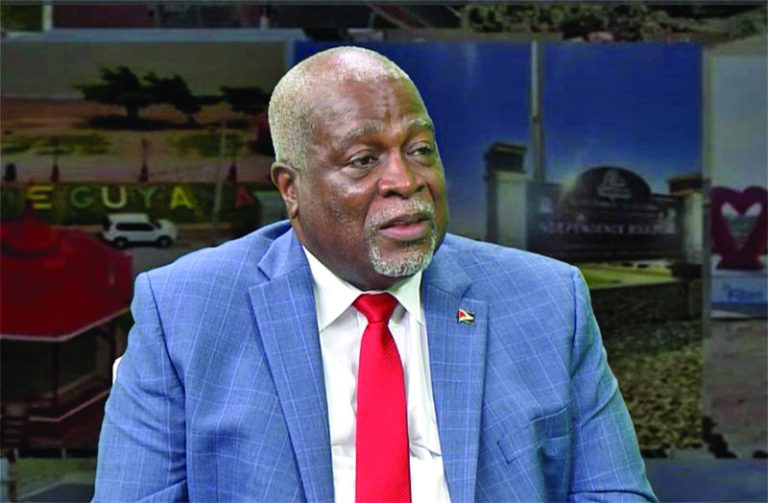
The training comes as the adoption of electric and hybrid vehicles accelerates, with more than 900 electric vehicles now imported into Guyana, according to Permanent Secretary in the Office of the Prime Minister, Dr Alfred King.
Addressing the graduation ceremony, Dr King said the growth in EV ownership must be matched by the development of the skills, infrastructure and technical standards required to support the vehicles.
“The investment in charging infrastructure must therefore be matched by investment in people,” he said.

He explained that while charging infrastructure is critical to the development of electric mobility, a sustainable EV market also requires technicians capable of safely diagnosing faults, maintaining high-voltage systems and carrying out specialised repairs.
“Vehicle owners also need access to trained technicians who can safely diagnose faults, carry out repairs, maintain high-voltage systems, and provide reliable support,” Dr King said.

Through the programme, participants were equipped with practical skills to diagnose, maintain and repair EV systems, helping to ensure that the country has a trained workforce capable of supporting the technology as its adoption grows.
Educators Stephen Burr and James Sampson of REVAMP guided participants through the Institute of the Motor Industry (IMI) Level 4 EV/Hybrid training, including practical exercises involving high-voltage battery systems.
According to Dr King, the growing use of the network demonstrates increasing demand for electric mobility, noting that charging sessions increased from 231 between January and August 2025 to 835 during the corresponding period in 2026, an increase of more than 261 per cent.
He further called for Guyana to deepen its local expertise by developing a training-of-trainers programme, allowing more Guyanese professionals to eventually deliver specialised EV training locally and reduce reliance on overseas expertise.

Dr King also encouraged the graduates to capitalise on the entrepreneurial opportunities created through their newly acquired expertise, particularly as demand grows for specialised EV maintenance and repair services.
The programme forms part of the government’s wider investment in Technical and Vocational Education and Training (TVET) and supports the objectives of the Low Carbon Development Strategy (LCDS) 2030, particularly the transformation of how energy is produced and used and how transportation systems operate.