Commonwealth Nature Initiative launched in Antigua and Barbuda
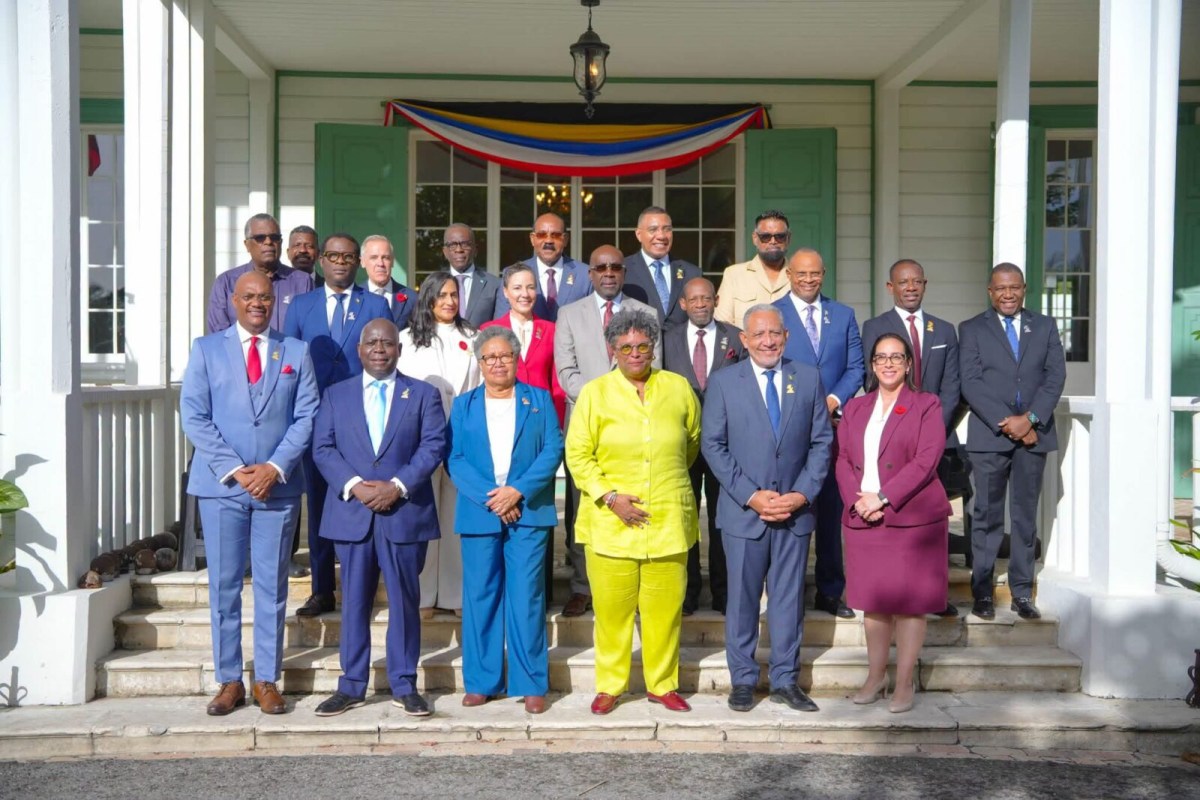
A US$202.2 million Commonwealth Nature Initiative (CNI) was launched in Antigua and Barbuda on Monday, bringing together governments, philanthropic organisations and conservation partners to accelerate efforts to protect at least 30 per cent of the world’s lands and oceans by 2030.
The initiative was unveiled during the Commonwealth Heads of Government Meeting (CHOGM) aboard Fortescue’s Green Pioneer vessel, with His Majesty King Charles III joining participating leaders and supporters at a reception following the launch.
A further US$1 billion is targeted by 2030 through additional contributions from donor countries and philanthropic partners.
Guyana is among the countries supporting the initiative, which seeks to mobilise substantial financial resources for national and regional conservation programmes, expand protected areas and advance sustainable management of terrestrial and marine ecosystems.

President Dr Mohamed Irfaan Ali reaffirmed Guyana’s commitment to biodiversity conservation, noting that environmental protection is intrinsically linked to national development and the country’s responsibility to the global ecosystem.
“We are protecting nature, biodiversity and our landscape as part of the development of Guyana and our responsibility to the global ecosystem. His Majesty’s vision is not simply about protecting nature, but about creating opportunities for people, preserving heritage, building skills, and strengthening communities.” the head of state stated.
The president’s contribution to advancing biodiversity conservation and sustainable development has also been recognised through his appointment as a Commonwealth Champion of Biodiversity, further positioning Guyana within international efforts to shape the environmental agenda.
The initiative begins with US$202.2 million in commitments from its founding supporters, including the Minderoo Foundation, Rob Walton Foundation, Rainforest Trust, Gordon and Betty Moore Foundation, Waitt Foundation and National Geographic Pristine Seas.


The funding will support the establishment and expansion of protected areas, alongside programmes that advance the rights, participation and governance of indigenous peoples and local communities.
At the launch, Antigua and Barbuda, Australia, Fiji, Guyana, Mozambique, Papua New Guinea, Solomon Islands, Tonga, Uganda, the United Kingdom and Zambia presented their respective conservation commitments, demonstrating the breadth of regional cooperation behind the 30×30 target.
Established under the Kunming-Montreal Global Biodiversity Framework in 2022, the target has become an urgent global priority, with only four years remaining for countries to meet the commitment.
The Commonwealth, which encompasses almost a quarter of the world’s land area and more than 40 per cent of global ocean Exclusive Economic Zones, holds significant terrestrial and marine ecosystems that are critical to global biodiversity.
The initiative’s initial focus areas include the Eastern Caribbean, Africa and the Pacific, where regional programmes are working to expand protected areas and secure sustainable financing for long-term conservation.