CoI hears testimonies of overcrowding, negligence, and delayed rescue in MV Barima tragedy
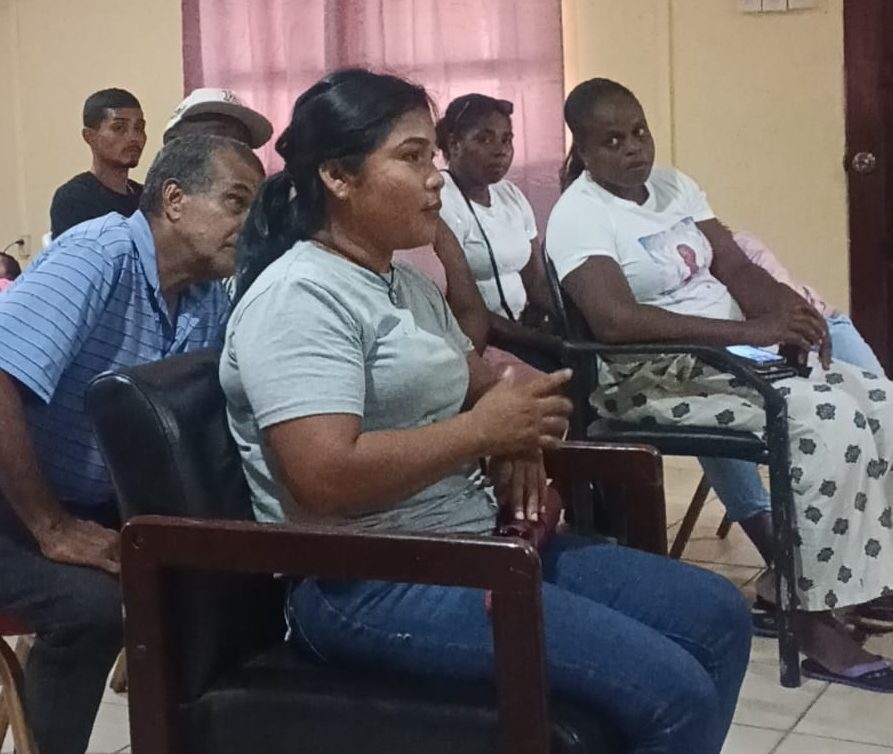
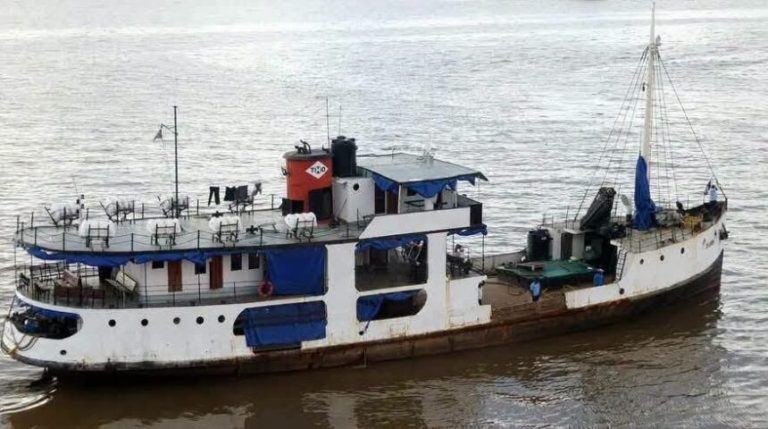
(Kaieteur News) – The Commission of Inquiry (CoI) into the fatal capsizing and sinking of the vessel MV Barima opened in Port Kaituma with harrowing eyewitness accounts from survivors, grieving family members, and local residents. Testimonies presented to the commissioners painted a damning picture of severe vessel overcrowding, cargo misconduct, systemic regulatory corruption, and a severely delayed official search-and-rescue response.
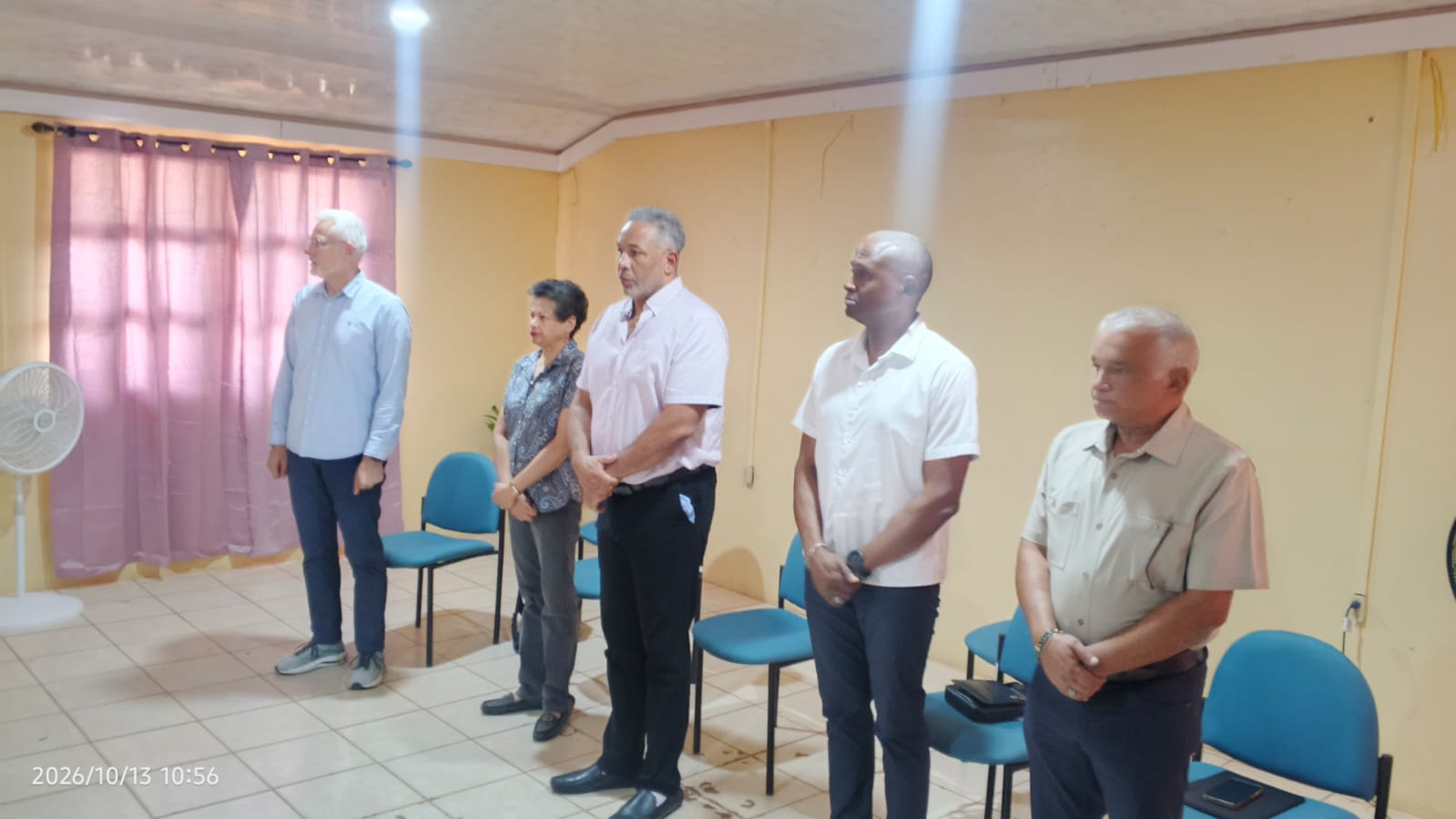
Commissioners in Port Kaituma
Witnesses detailed chaotic conditions aboard the vessel prior to its departure. Port Kaituma resident Sherry Adams described appalling unsanitary conditions and extreme passenger volume, estimating that over 200 people were packed on board, including more than 100 children concentrated on the upper deck.
“In Region One, we get treat the worse… the toilets is be foaming all over… the place is so packed sometimes I’d walk with a bucket and go in the corner,” Adams testified. She recounted walking off the vessel to take a flight after finding nowhere to sit. Adams further alleged an off-the-manifest racket operating between Mabaruma and Port Kaituma, where individuals paid $3,000 to board without appearing on the official passenger log. According to Adams, when questioned about seating space, the ship’s captain claimed he was acting on “higher orders” before retreating upstairs.
Survivor, Benita George, corroborated the severe overcrowding, noting that movement aboard was virtually impossible. “The path to the bathroom was so rammed,” George testified, stating the cramped conditions left her with no room to move.
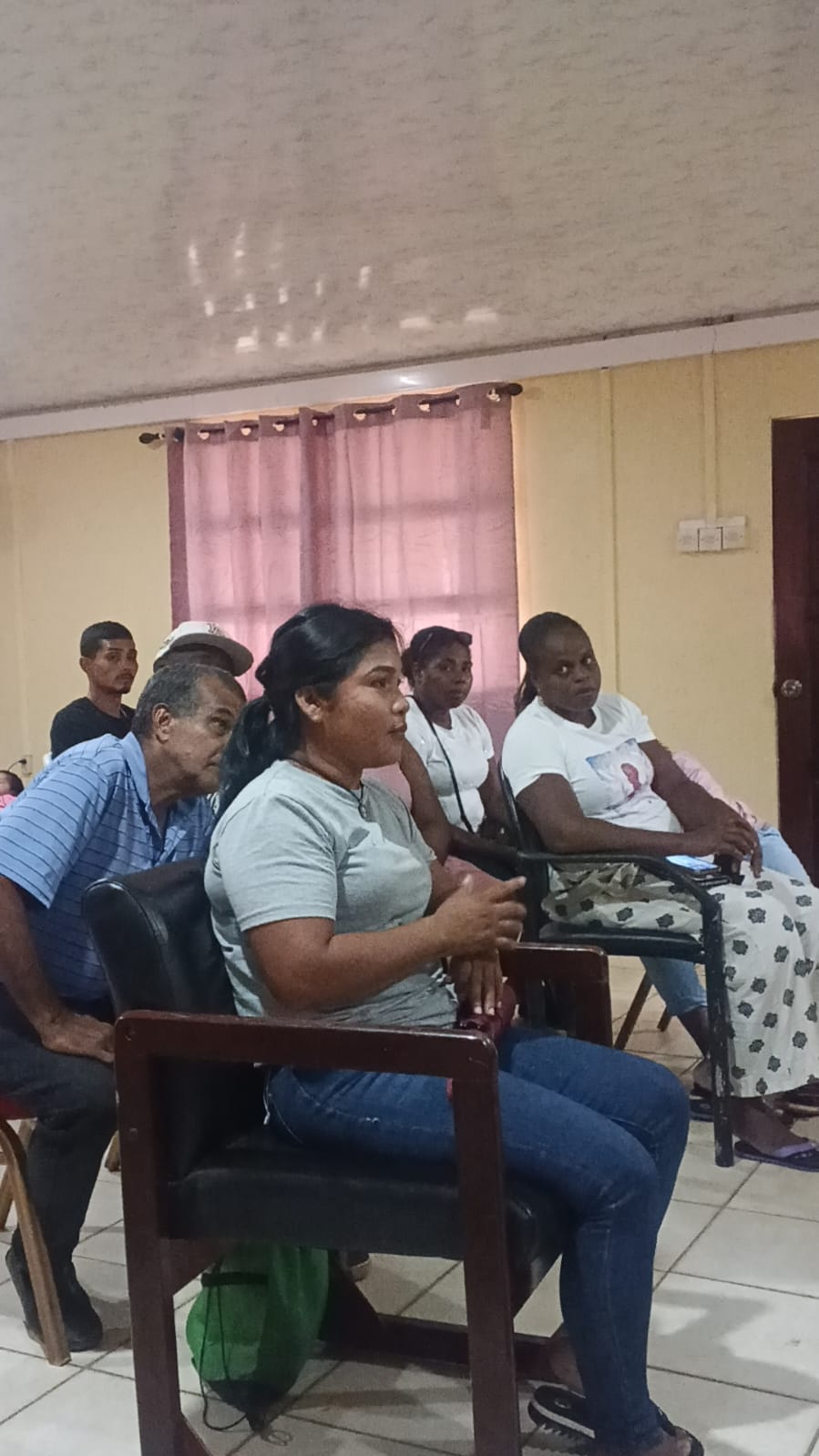
Benita George
Passengers and survivors also recalled commercial cargo and livestock obstructing critical passenger space. Benches were reportedly stacked with potatoes, onions, and white bags, forcing passengers to clear away debris or hang hammocks wherever space permitted. Multiple witnesses noted that cargo loading continued well past scheduled departure times, significantly overloading the vessel.
Disturbing allegations regarding crew conduct were also submitted to the commission. Andrina Castello, who lost her 6-year-old son in the disaster while her two older children survived, testified that the ship’s first mate jumped overboard after informing her the vessel was sinking. Castello and her husband, Timothy Williams, confirmed that their surviving children witnessed the captain drinking alcohol and consuming narcotics while on duty.
Concerns were repeatedly raised regarding the structural integrity and historical maintenance of the MV Barima. Thomas, the brother of missing passenger Brian Thomas, reminded commissioners that the vessel had suffered a fire in 2021, after which temporary “patchwork” repair using cement was conducted. Kevin Bovell, who lost six family members in the tragedy, including his mother, whose casket was being transported aboard the vessel, also highlighted improper concrete casting within the engine room.
Survivors recalled taking video footage of rising water in the middle cargo section of the vessel prior to its sinking. When passengers alerted crew members to the incoming water, they were dismissed and told it was “normal thing because we there on the sea.”
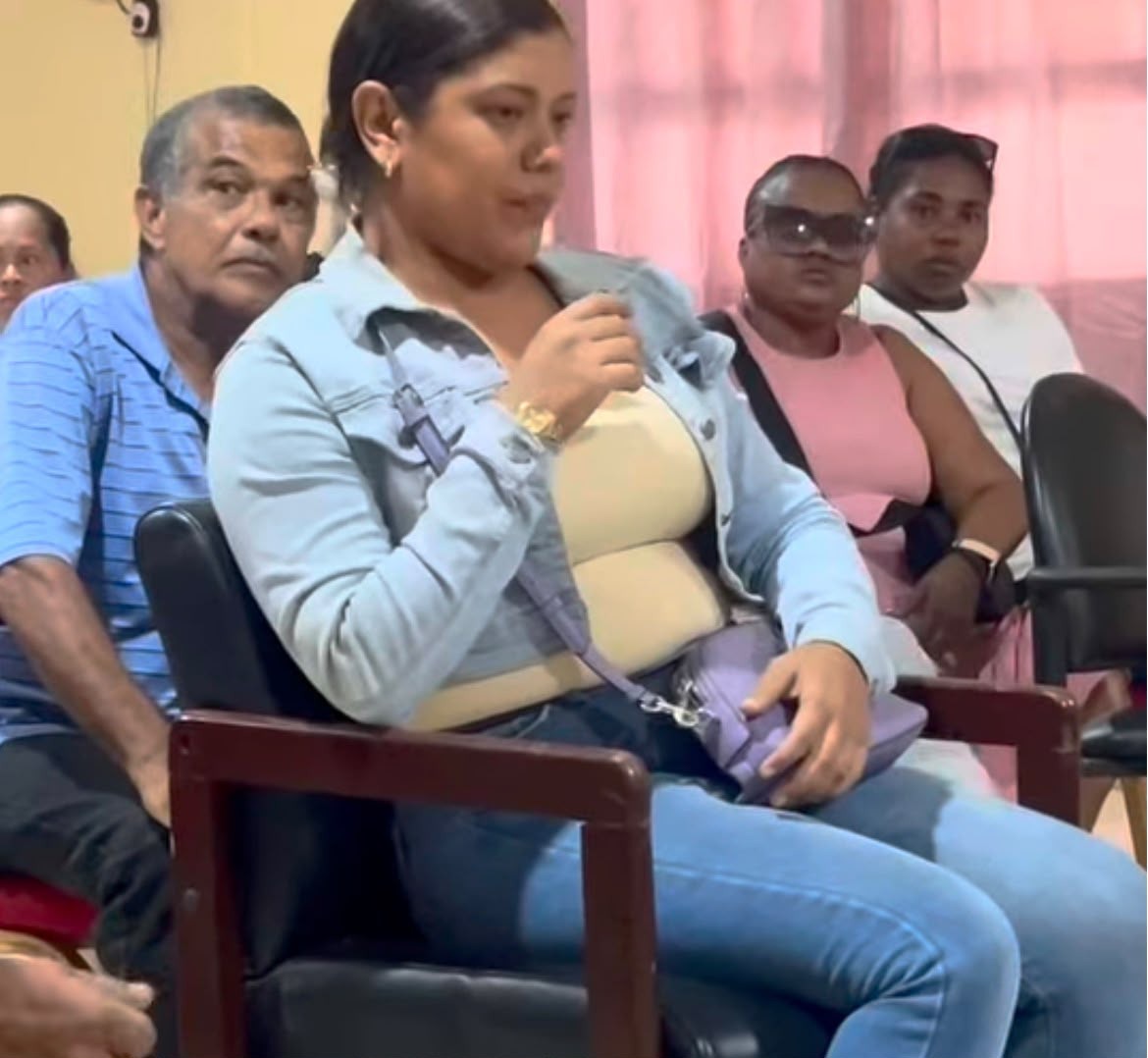
Andrina Castello
Family members and survivors strongly urged commissioners to salvage the sunken vessel to secure physical evidence and bring closure. Diver reports presented during the hearing indicated that current recovery efforts have been hampered by low visibility and inverted wreckage resting on the sea floor.
“If the boat didn’t come up, how could you know exactly what happened?” family members demanded, urging a comprehensive investigation into everyone responsible for loading, cargo, and passenger management.
Relatives voiced sharp criticism over the response of official state entities, including the Guyana Police Force and the Coast Guard, during the critical initial hours following the capsizing.
Tiffany Beharry, whose mother and 10-year-old son were aboard, described searching local hospitals and begging state authorities for emergency deployment. According to Beharry, official police and military vessels refused to transport civilians or deploy search teams early in the morning, citing orders from superiors.
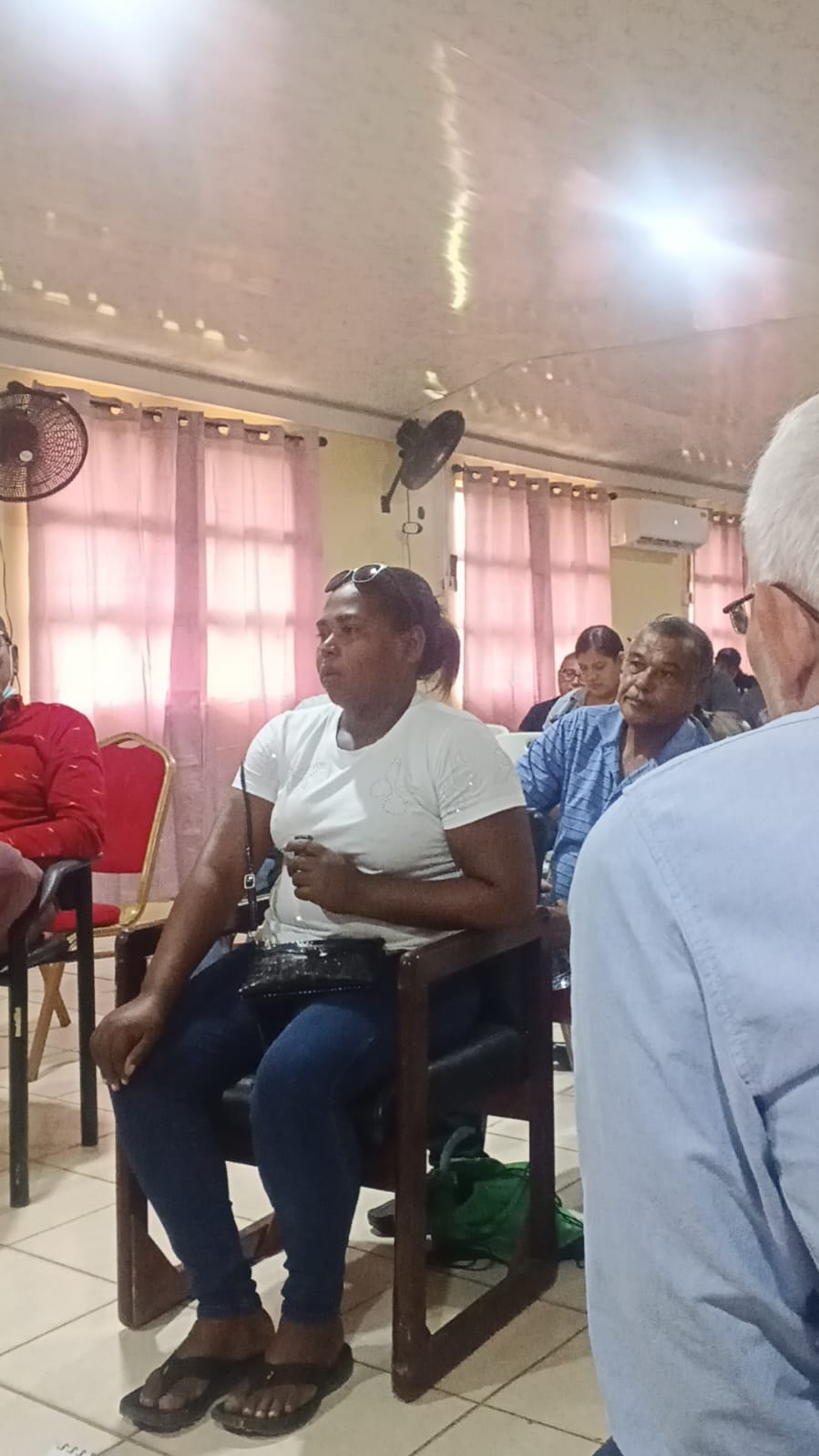
Tiffany Beharry
“Nobody going out and search for nobody,” Beharry stated, explaining that grieving families and local boat operators were forced to organise private search missions from Charity. Private vessels swarmed the waters near Shell Beach, Dartmouth, and surrounding islands, successfully recovering survivors and floating bodies while state entities remained absent.
Survivors, victims’ families, and Region One residents are demanding full accountability across all regulatory and operational levels of the Transport and Harbours Department.
“Everybody on the boat, who is in charge of loading, passengers, cargo… need to be investigated from the top right down to the bottom,” witnesses insisted before the Commission.
The CoI’s proceedings in Port Kaituma and surrounding communities remain ongoing as commissioners continue gathering evidence, survivor testimony, and safety recommendations.
Source: Kaieteur News